20 Iconic Australian Animals and where to see them in the Wild
Australia isn’t subtle about its wildlife.
We don’t do quiet.
We don’t do boring.
We do marsupials with pouches, mammals that lay eggs, birds that laugh, reptiles that look prehistoric, and ocean creatures that feel unreal.
From the red dust of the outback to the technicolour reefs, from eucalyptus forests to wild coastlines, Australia is one of the best places on Earth to see animals in their natural habitat.
Not in cages.
Not behind glass.
Not in theme parks.
In the wild. Where they belong.
This is your ultimate guide to 20 iconic Australian animals, where they live, and how hard they are to see in the wild – honestly rated and regret-free.
Have I seen them all in the wild? Most of them – 2 are still on my bucket list.
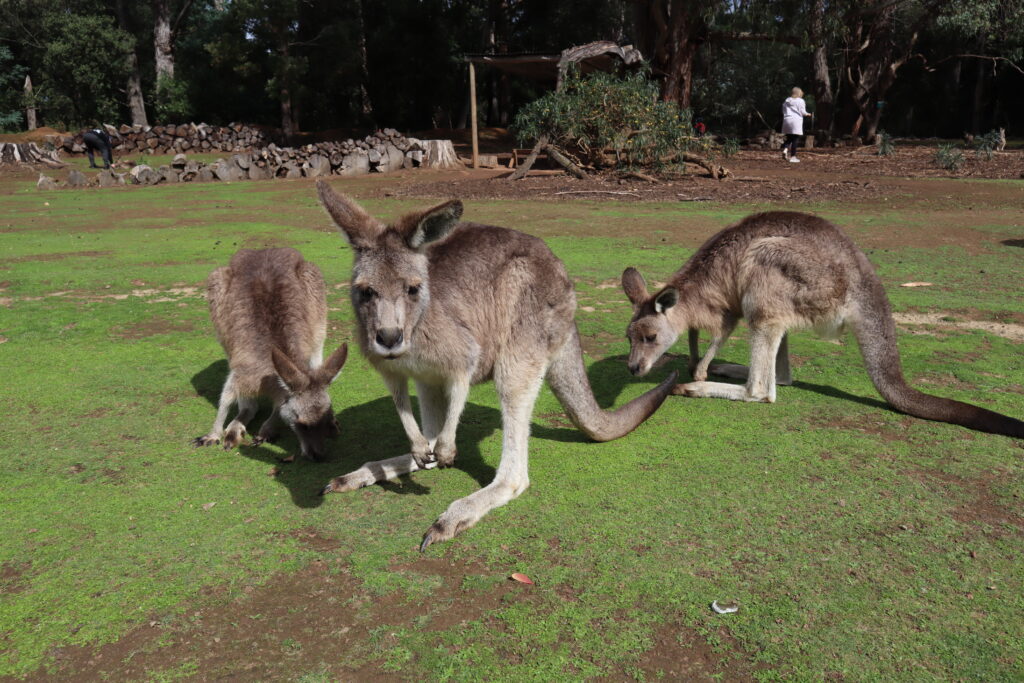
Kangaroos
Habitat: Grasslands, open woodland, farmland, outback plains
Where: Nationwide – especially NSW, VIC, SA, WA, NT
Difficulty: 2/10 (Very easy)
Kangaroos are everywhere. Paddocks, golf courses, beaches, national parks. If you spend more than 24 hours in regional Australia and don’t see one, something has gone wrong.
Where I’ve seen them:
- I met a huge Eastern Grey male kangaroo the locals called Buttercup in Coomba Park (NSW) – I stood 3 steps higher to be on the same level, he was huge!
For more details and other places I have seen them, check out my guide on Where to see Kangaroos in the Wild in Australia.
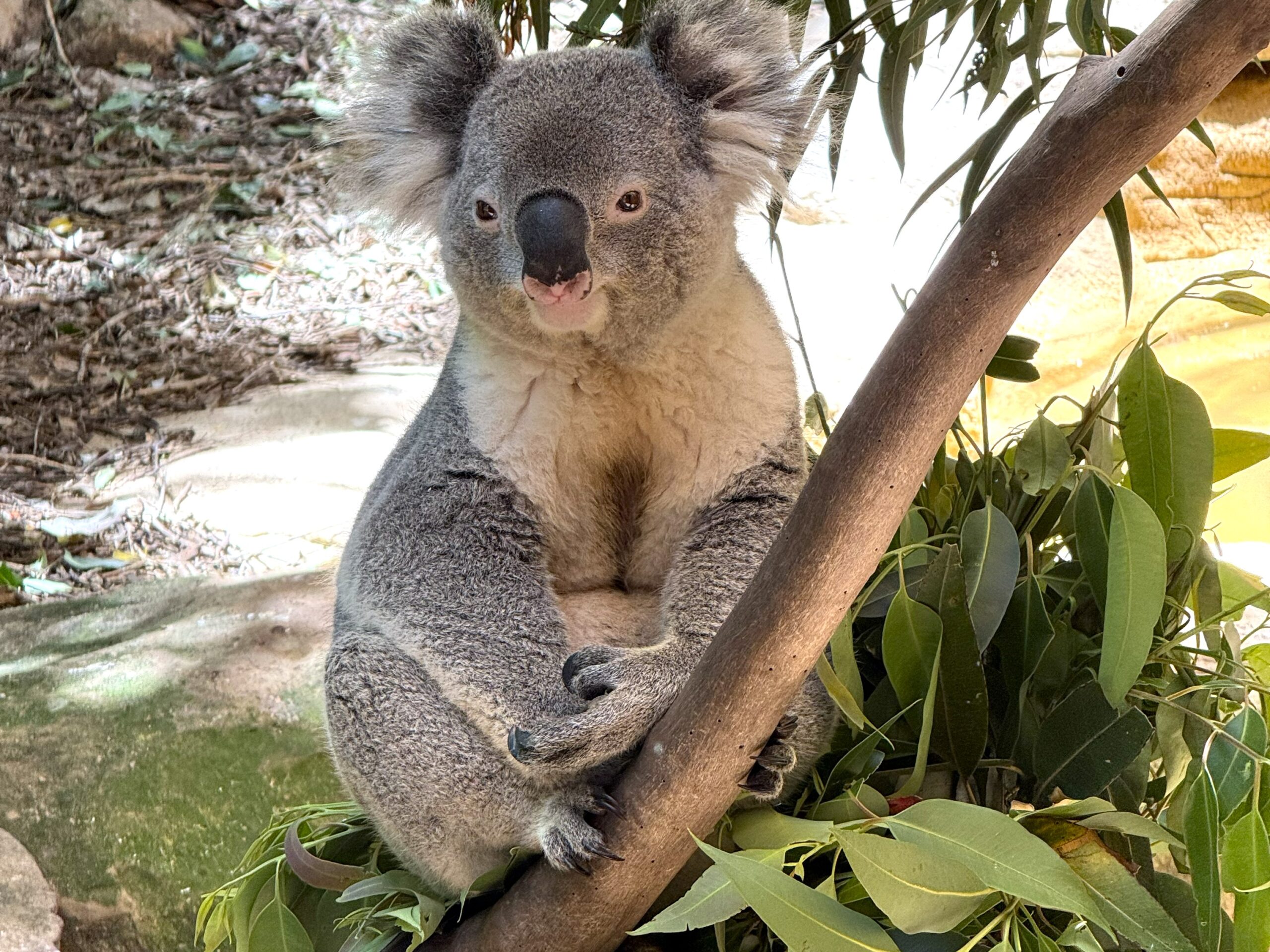
Koalas
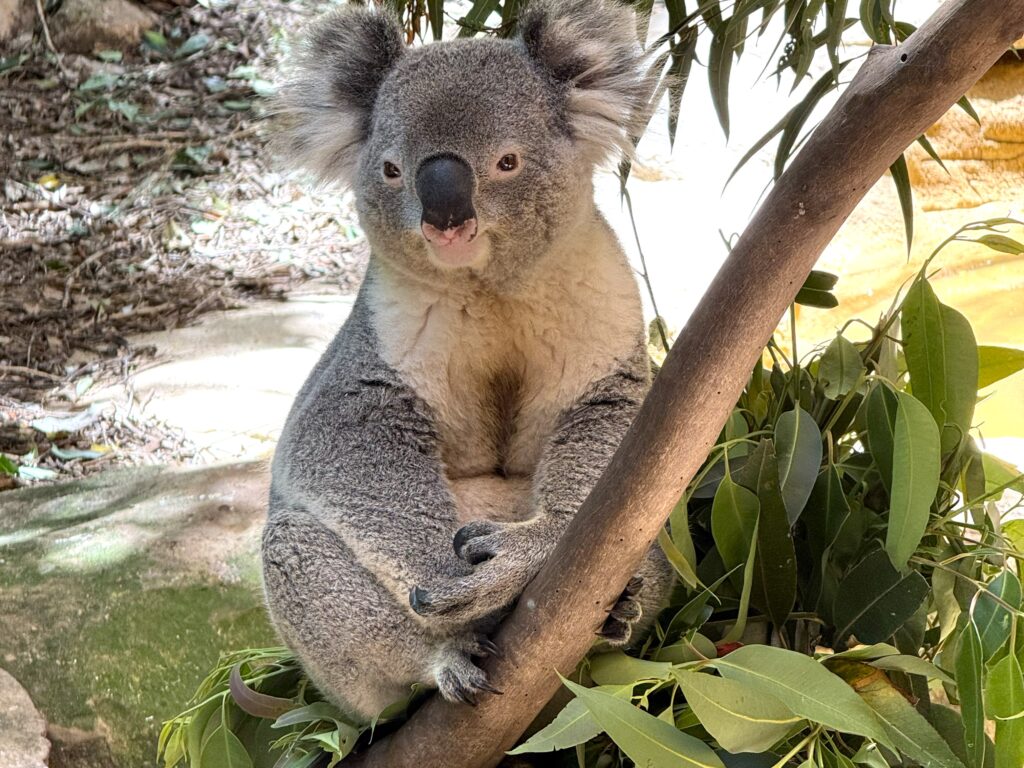
Habitat: Eucalyptus forests, coastal woodland
Where: QLD, NSW, VIC, SA
Difficulty: 5/10 (Moderate)
They are common, but spotting them is not. They blend into trees and sleep most of the day. When you see one, it feels like winning a small lottery.
Where I’ve seen them:
- Walking along the boardwalk in Tilligerry Habitat, Port Stephens (NSW)
- Walking through Tanilba Bay Public School (NSW)
- One evening, a juvenile koala climbed the soccer goals close to where we were playing 6-a-side soccer. We had to stop the game and encourage the koala to leave so it wouldn’t accidentally get hit. Mallabula Sporting Complex, Port Stephens (NSW)
- Sitting in the tree above the walkway down to Fly Point Marine Park, Nelson Bay (NSW).
Emu
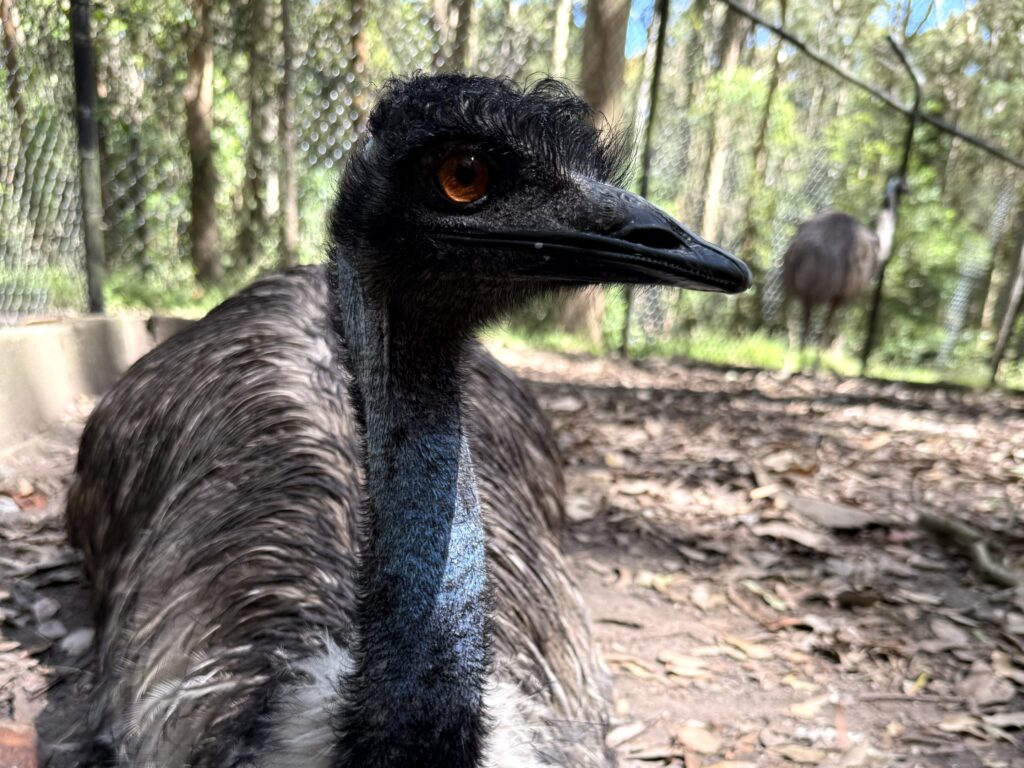
Habitat: Open plains, woodland, semi-arid regions
Where: Nationwide (excluding Tasmania)
Difficulty: 4/10 (Easy–moderate)
Big, obvious, and not subtle. If you’re in the outback, you’ll likely see one staring at you like you owe it money.
Where I’ve seen them:
- On the road into Shark Bay, WA
- On the road to Broken Hill, NSW
- Emu footprints in the sand at the Pinnacles, WA
- Eric the Emu is a local celebrity that lives on Nelson Bay Road, Salt Ash. (NSW) He isn’t quite wild but he’s not in a zoo. You can see him in the paddock from the road most days.
Echidna
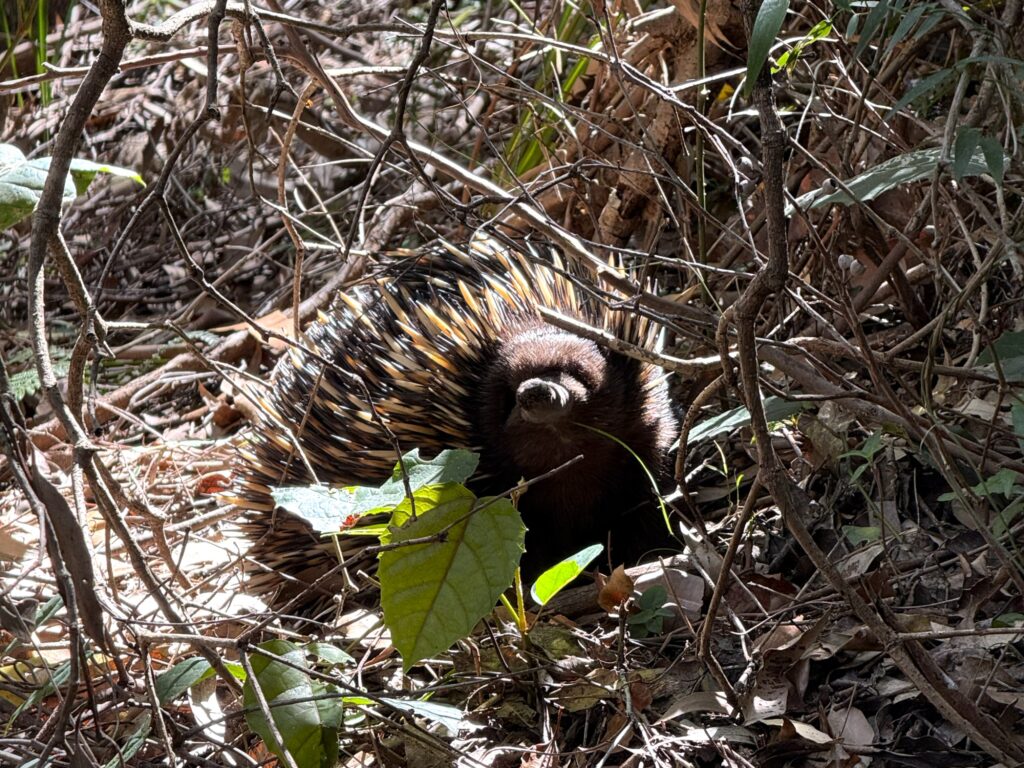
Habitat: Forests, bushland, heath, grasslands
Where: Nationwide
Difficulty: 6/10 (Moderate)
Where I’ve seen them:
- In and around Tilligerry Habitat, Port Stephens, NSW (4 times)
- Blackbutt Reserve, Newcastle, NSW
They are everywhere… but also nowhere. Slow, quiet, and incredibly easy to miss.
Salt Water Crocodile
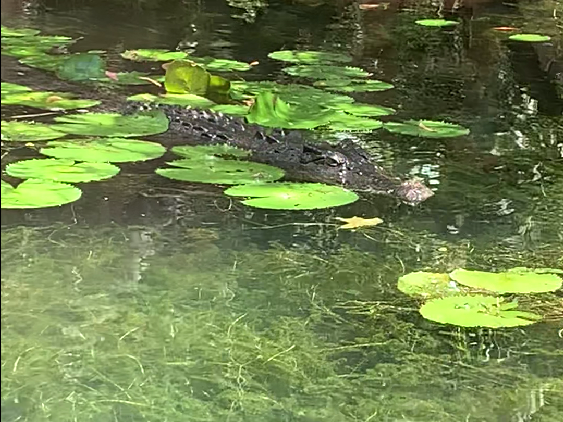
Habitat: Rivers, estuaries, wetlands, mangroves
Where: NT, Far North QLD, Kimberley (WA)
Difficulty: 3/10 (Easy – from a safe distance)
If you’re in croc country, assume they are there. You don’t look for crocs. You respect the possibility.
Where I’ve seen them:
- Kakadu National Park (NT)
- Adelaide River (NT)
- Mowbray River (QLD) – They even have a crocodile viewing footbridge!
- Daintree River (QLD)
Platypus
Habitat: Freshwater rivers, creeks, lakes
Where: Eastern Australia & TAS
Difficulty: 8/10 (Hard)
Shy. Fast. Subtle. You don’t find platypus – you earn them with patience and still water.
Where I’ve seen them:
I haven’t seen one yet. I’m working on it.
Quokka
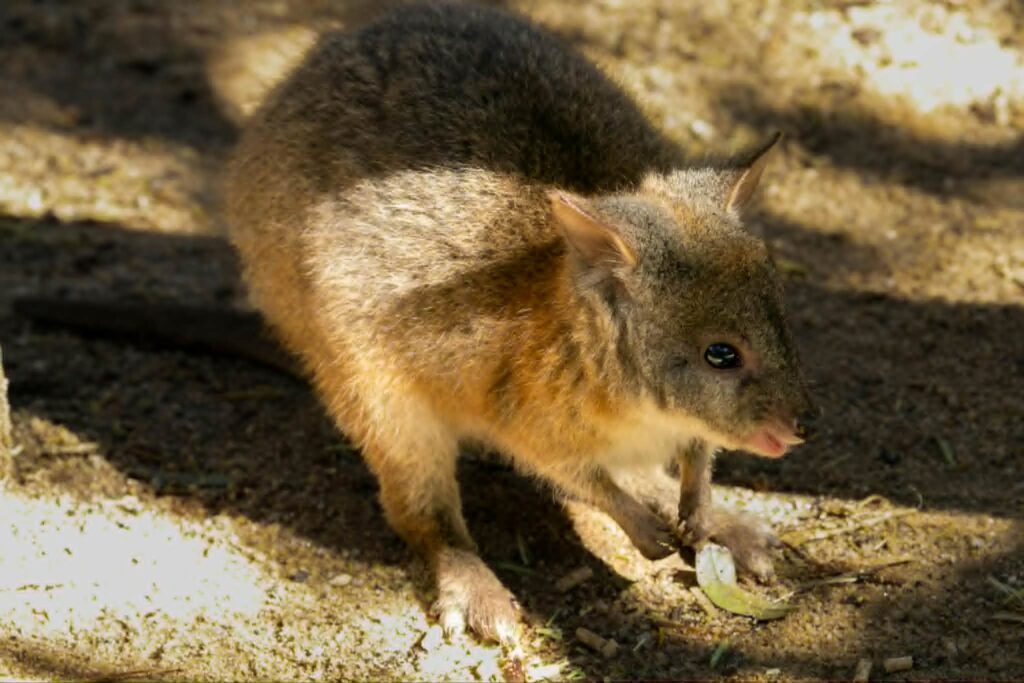
Habitat: Coastal scrub and woodland
Where: Rottnest Island & Bald Island (WA)
Difficulty: 1/10 (Very easy – in the right place)
On Rottnest, they will literally walk up to you. Zero effort required. Maximum joy delivered.
Where I’ve seen them:
- Rottnest Island (WA)
Tasmanian Devil
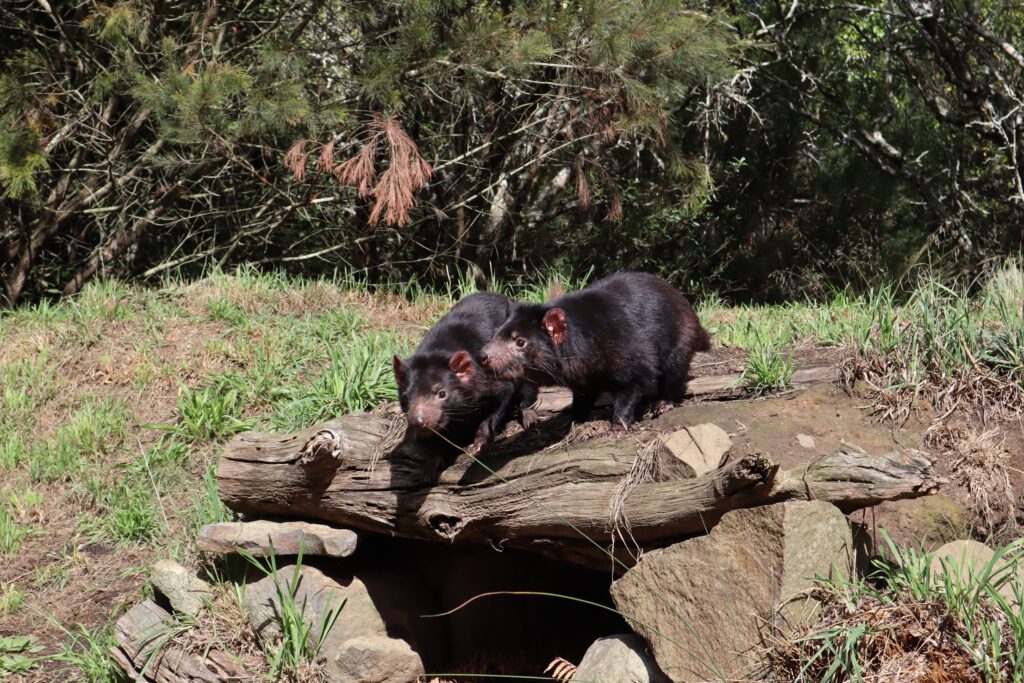
Habitat: Forest, farmland, coastal scrub
Where: Tasmania only
Difficulty: 8/10 (Hard)
Nocturnal and shy. Seeing one in the wild is a genuine wildlife achievement.
Where I’ve seen them:
- Cradle Mountain (TAS)
Kookaburra
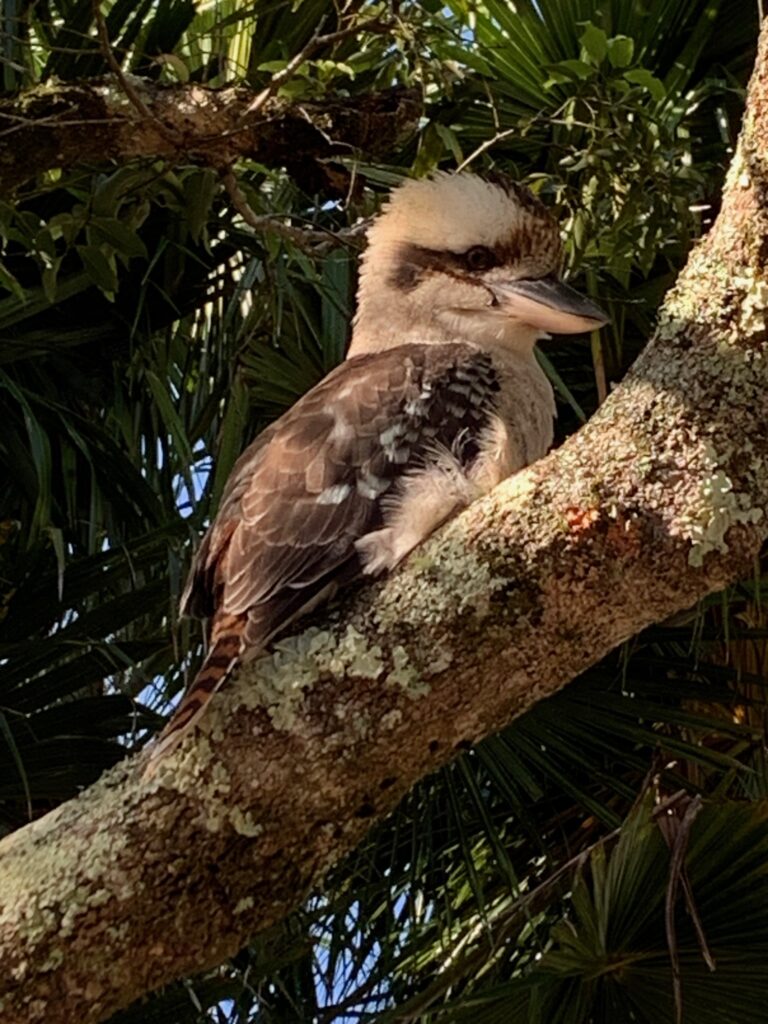
Habitat: Forest, woodland, suburbs, parks
Where: Eastern Australia, SW WA, TAS
Difficulty: 1/10 (Very easy)
If you can hear, you can find one.
Where I’ve seen them:
- Everywhere! I’ve had one fly down and take my ham and salad sandwich out of my hands as I went to take a bite at Balmoral, Sydney Harbour!
Cockatoos
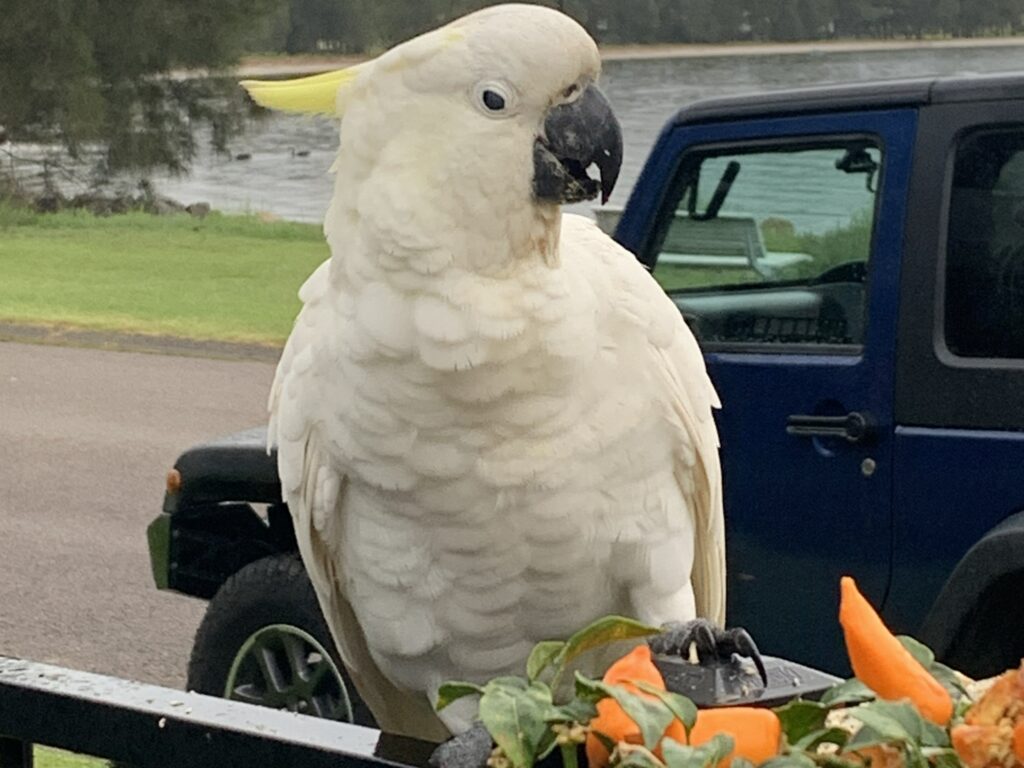
Habitat: Forest, farmland, cities, bushland
Where: Nationwide
Difficulty: 1/10 (Impossible to miss)
They will announce themselves loudly. Repeatedly.
Where I’ve seen them:
- The white sulphur crested cockatoos are everywhere.
- Red tailed black cockatoos in the Blue Moutains (NSW)
- Yellow tailed black cockatoos – Port Stephens and Myall Lakes National Park
Sea Turtles
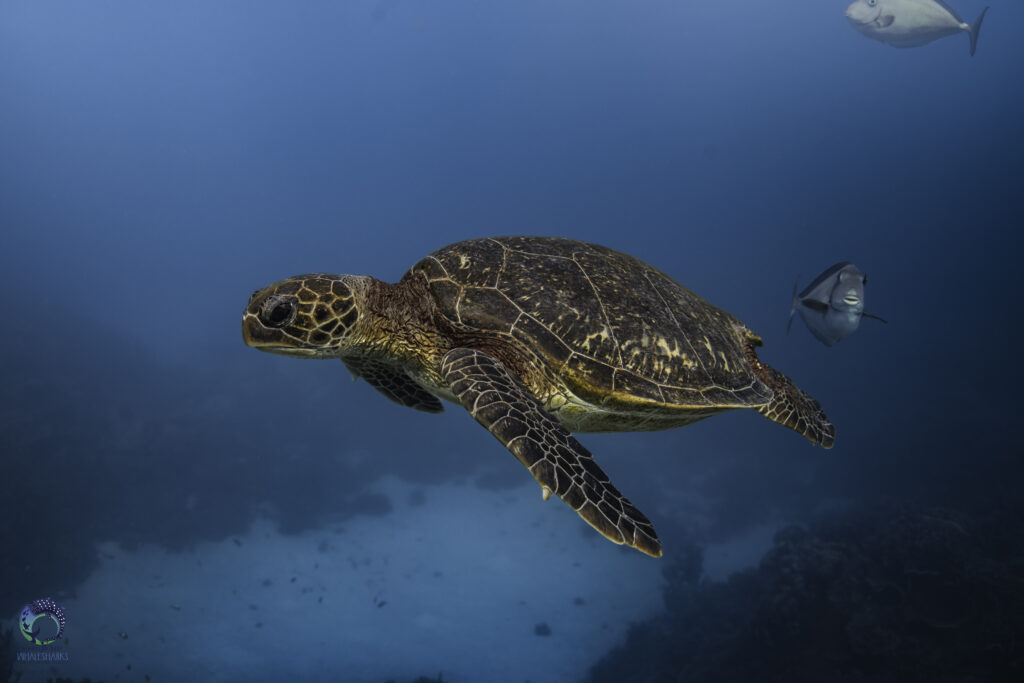
Habitat: Coastal waters, coral reefs, beaches
Where: Great Barrier Reef, Ningaloo Reef, coastal Queensland & WA
Difficulty: 6/10 (Moderate)
Common in the right areas, but spotting them while snorkeling or during nesting season is the real prize.
Usually swimming near reefs, surfacing for air, or coming ashore during turtle nesting season.
Where I’ve seen them:
- Great Barrier Reef (QLD),
- Ningaloo Reef (WA),
- Coffs Harbour (NSW),
- Port Stephens (NSW)
Goanna
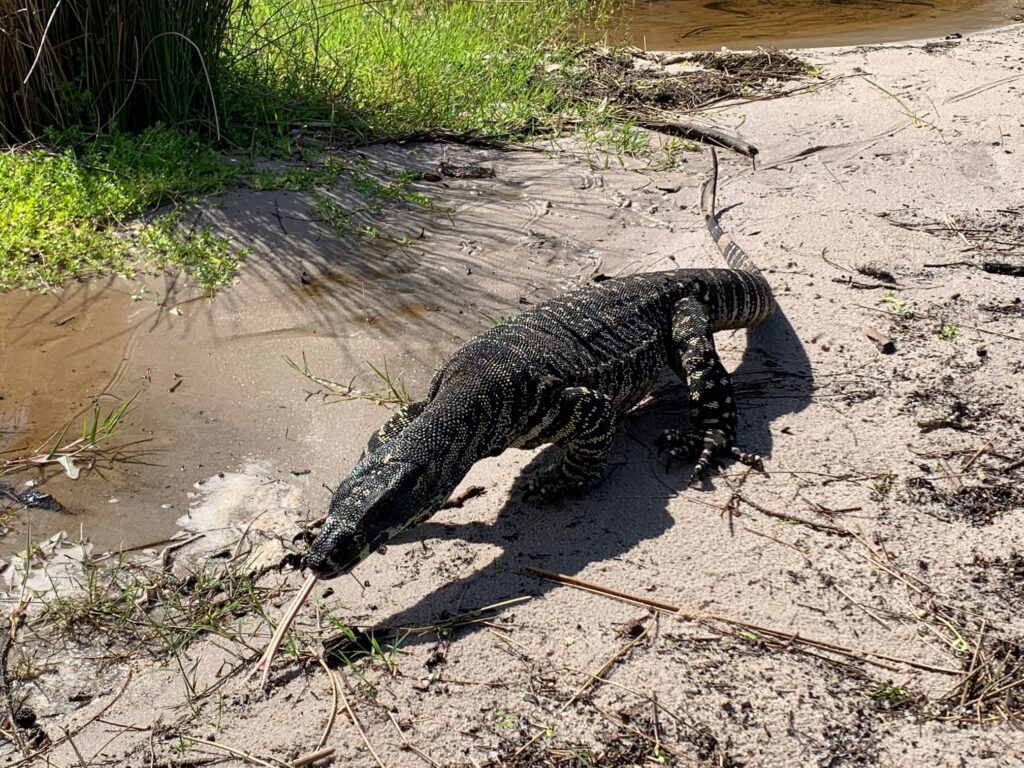
Habitat: Forest, bushland, desert, coastal scrub
Where: Nationwide
Difficulty: 4/10 (Easy–moderate)
Once you start noticing them, you’ll wonder how you ever missed them.
Where I’ve seen them:
- Myall Lakes National Park
- Tanilba Bay, Port Stephens
- Rainbow Beach, QLD
- K’Gari (Fraser Island)
Whale Sharks
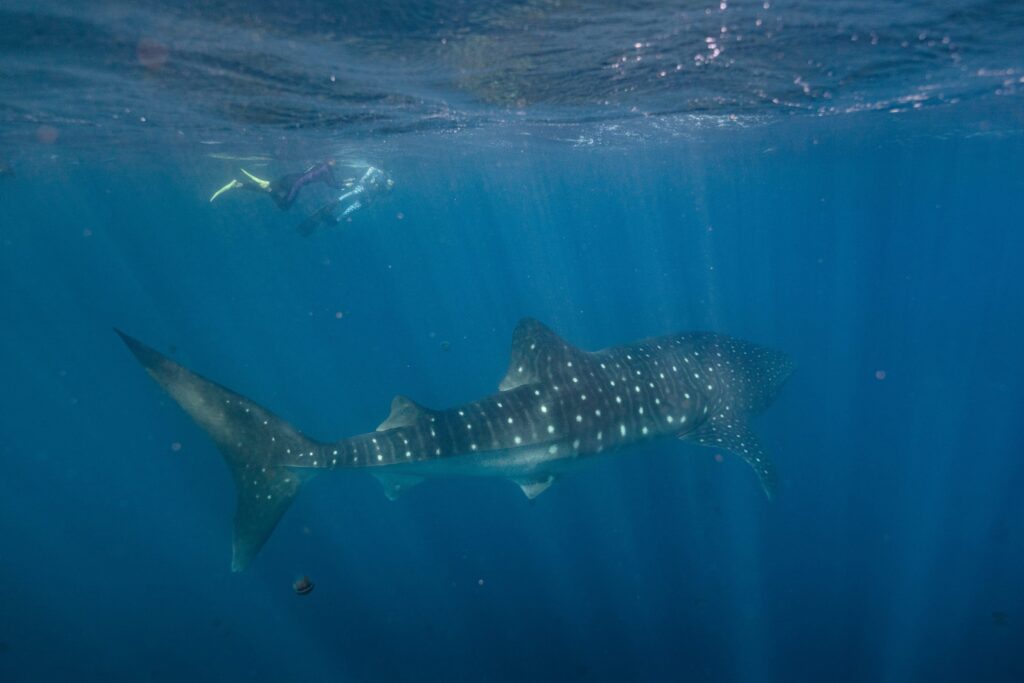
Habitat: Open ocean, coral reefs
Where: Ningaloo Reef (WA)
Difficulty: 6/10 (Seasonal & luck-based)
You need timing, tours, and a little luck. But when it happens, it’s unforgettable.
Where I’ve seen them:
I recently travel from Newcastle to Exmouth, Western Australia, a round trip of 10,000kms to see whale sharks. Unfortunately, as we made the trip to work in with school holidays, which was shoulder season, the whale sharks had moved on. But that just means another road trip, another adventure to try again.
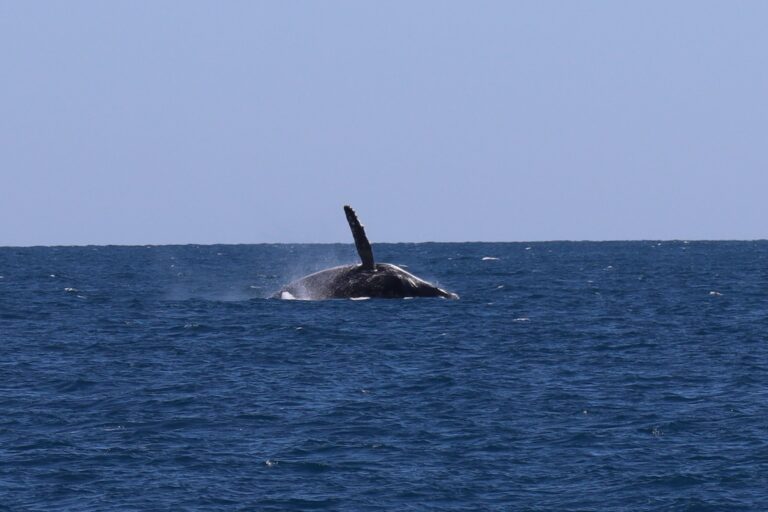
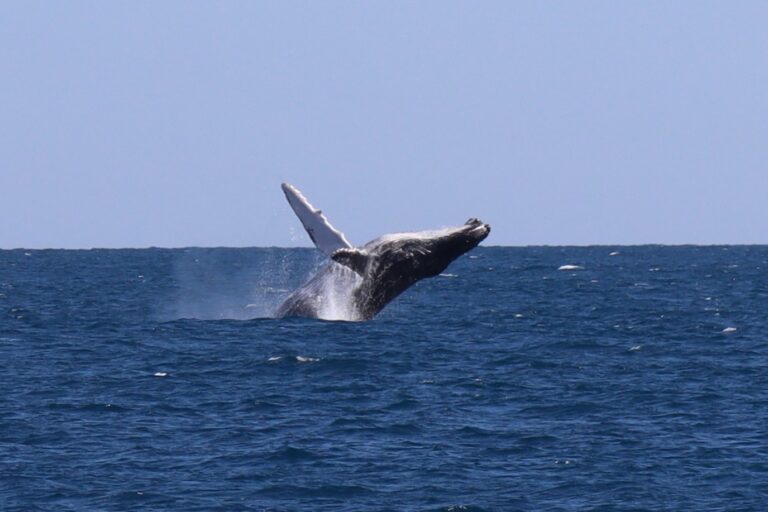
Whales (Humpbacks and Southern Rights)
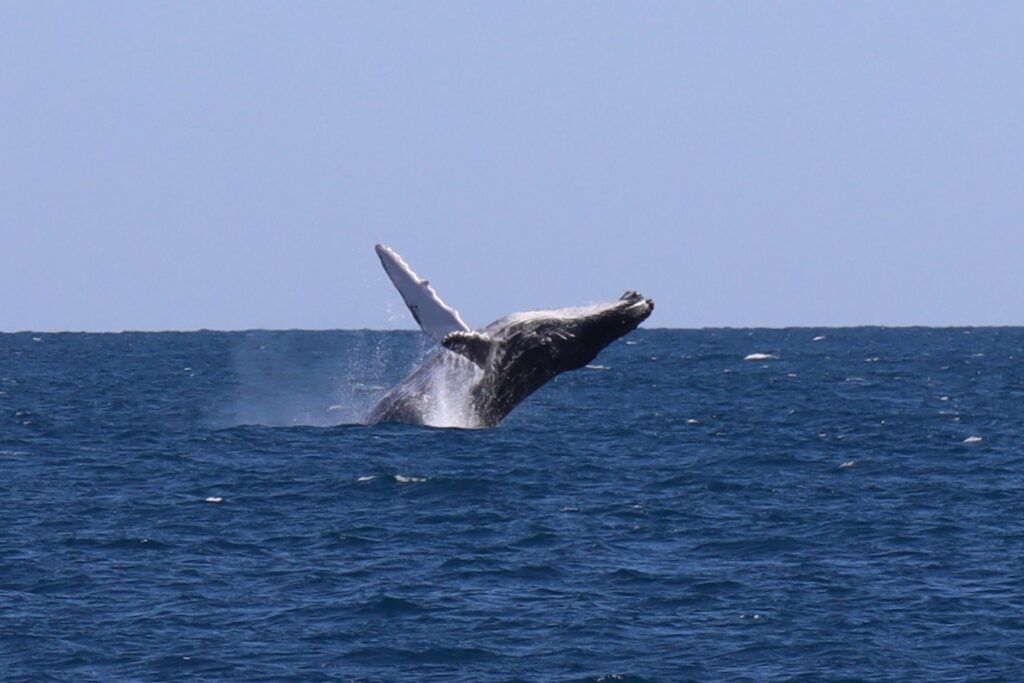
Habitat: Open ocean, coastal migration routes
Where: QLD, NSW, VIC, SA, WA
Difficulty: 2/10 (Very easy in season)
During migration season, they are everywhere. Breeching, tail slapping, showing off.
Where I’ve seen them:
- Port Stephens, NSW
- Coral Bay, WA (Swimming with humpback whales)
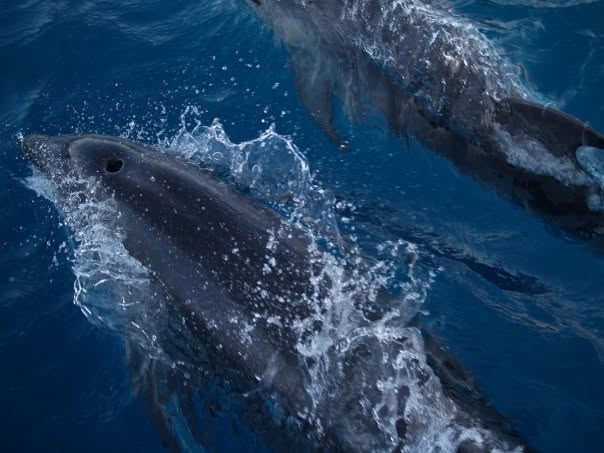
Dolphins
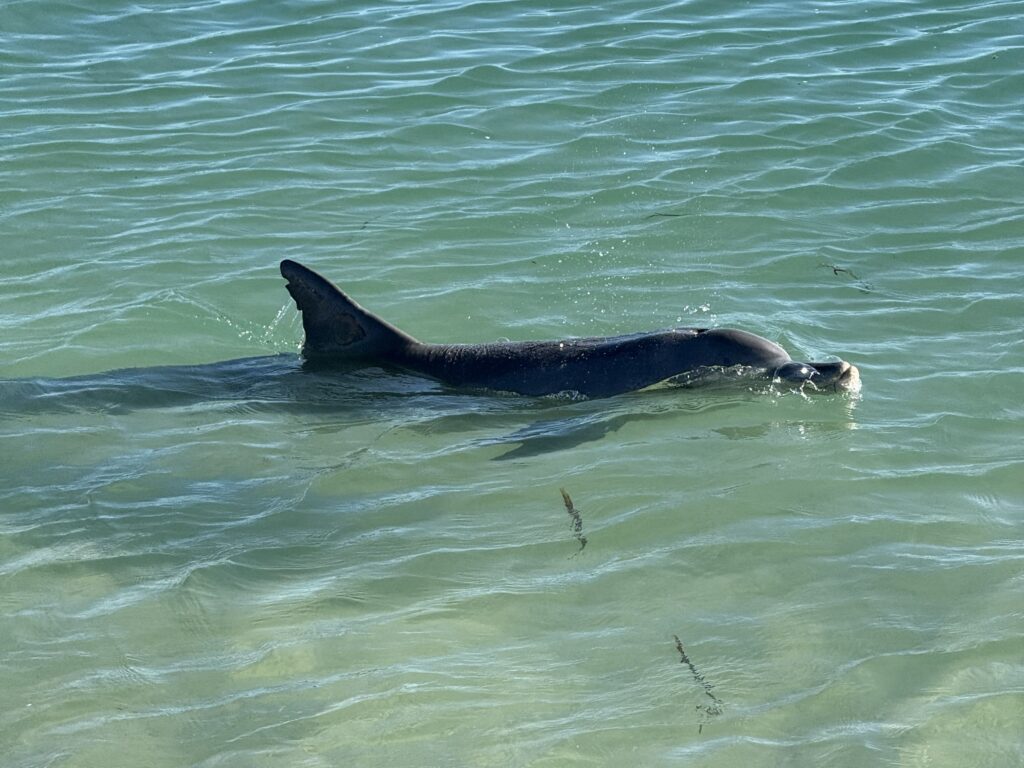
Habitat: Coastal waters, bays, estuaries
Where: Nationwide
Difficulty: 2/10 (Very easy)
One of the most reliable wild sightings in Australia. Joy on demand.
Where I’ve seen them:
- Port Stephens, NSW
- Sydney Harbour, NSW
- Jervis Bay, NSW
- Batemans Bay, NSW
- Byron Bay, NSW
- Seal Rocks, NSW
- Monkey Mia, Shark Bay, WA
For more details and other places I have seen them, check out my guide on Where to see Dolphins in the Wild in Australia.
Pelicans
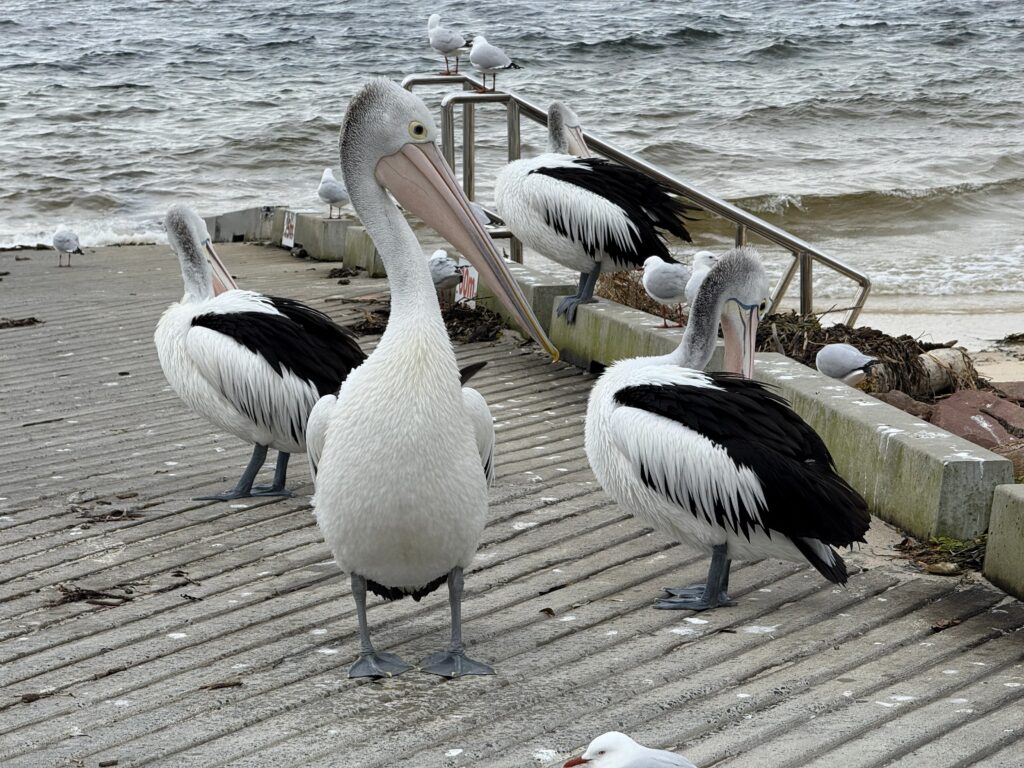
Habitat: Coastal waters, lakes, rivers, estuaries
Where: Nationwide
Difficulty: 1/10 (Ridiculously easy)
If there is water and food, there is a pelican plotting. Just find a boat ramp or a fish cleaning station.
Where I’ve seen them:
- Port Stephens, NSW
- The Entrance, NSW
- Jervis Bay, NSW
- Batemans Bay, NSW
- Tea Gardens, NSW
- Kalbarri, WA
For more details on exactly where to find the truly majestic and instagram posers, got to Where to See Pelicans in the Wild in Australia.
Clown Fish (aka Nemo)
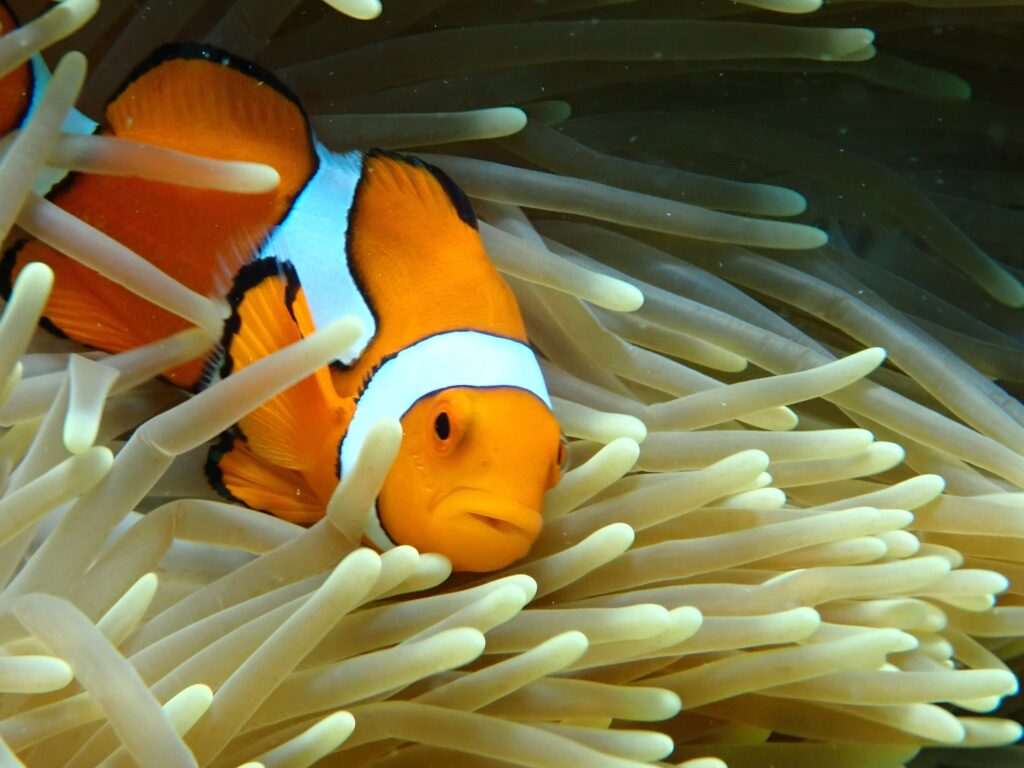
Habitat: Coral reefs, sea anemones
Where: Great Barrier Reef, Ningaloo Reef, Lord Howe Island
Difficulty: 4/10 (Easy if snorkelling in reef areas)
They don’t move far. Find the anemone and you’ll find Nemo.
Where I’ve seen them:
- Great Barrier Reef, QLD
- Ningaloo Reef, WA
For a more in-depth look at Clownfish, follow my guide on Where to See Clownfish in the Wild in Australia.
Wombat
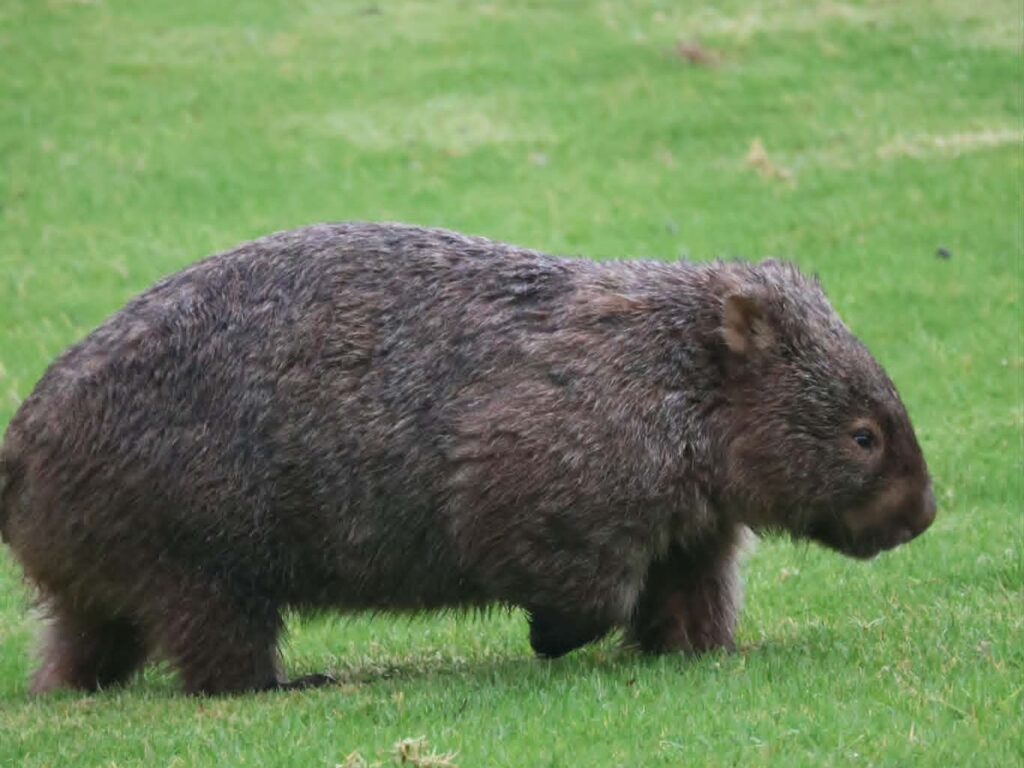
Habitat: Mountain forests, heathland, alpine areas
Where: TAS, VIC, NSW, SA
Difficulty: 6/10 (Moderate–hard)
Stocky, nocturnal, and quietly chaotic. Often seen at dusk or crossing tracks in cooler regions. Cradle Mountain is wombat heaven.
Where I’ve seen them:
- Cradle Mountain, TAS
Dingo
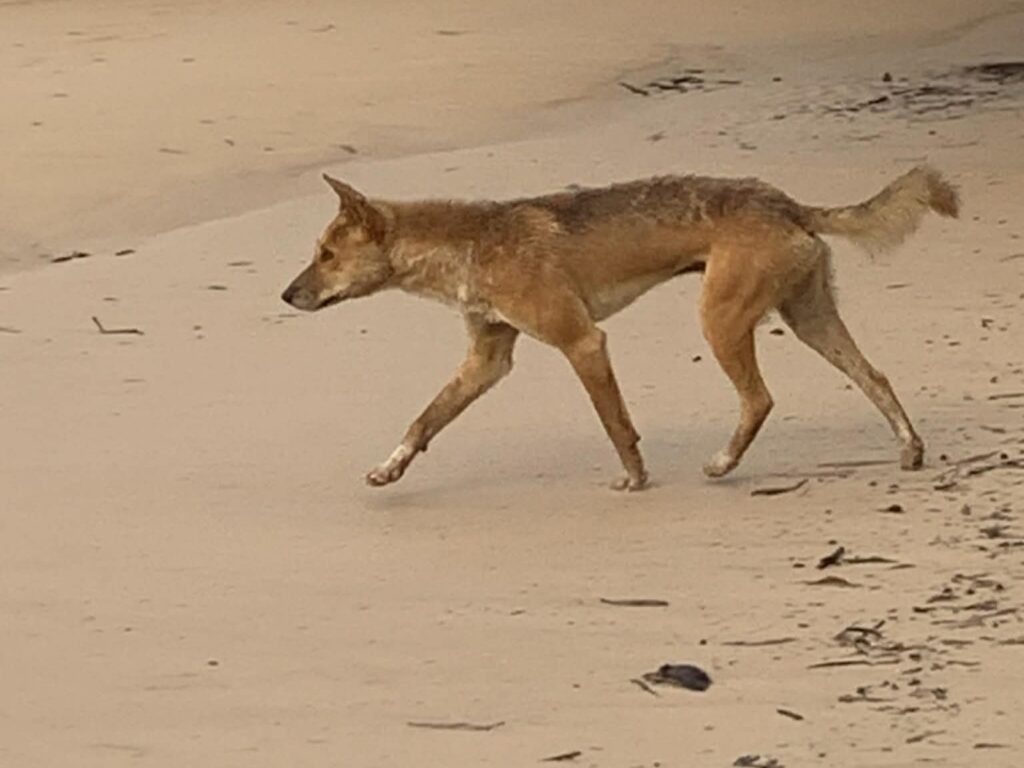
Habitat: Deserts, beaches, forests, grasslands
Where: QLD, NT, SA, WA
Difficulty: 7/10 (Hard)
Elusive, intelligent, and cautious. Fraser Island (K’Gari) offers the best chance, but they are still wild and selective.
Where I’ve seen them:
- K’Gari, (Fraser Island) QLD
- Myall Lakes National Park, NSW
- Walking down the main street of Hawks Nest, NSW in the afternoon! Right past the beware of dingoes sign.
- Crossing Medowie Rd, Medowie (north of Newcastle), NSW
Little Penguins
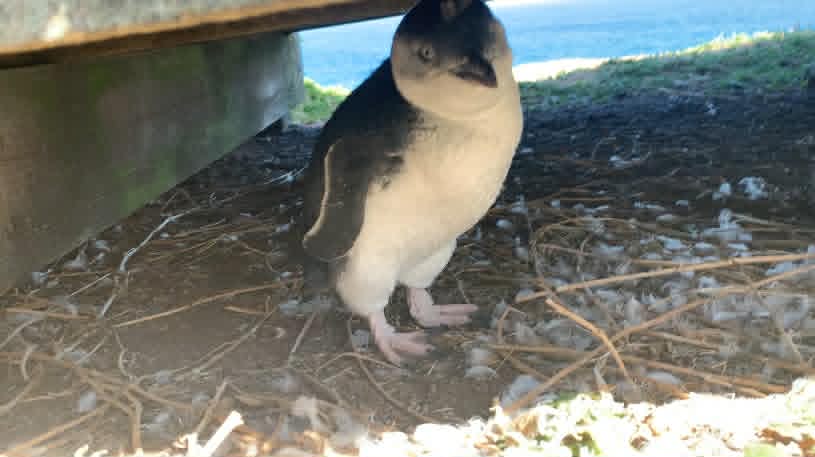
Habitat: Coastal waters, rocky shorelines, islands
Where: VIC, TAS, SA, NSW
Difficulty: 3/10 (Easy with timing)
At places like Phillip Island, they’re practically guaranteed. In other locations, you need patience and dusk timing.
Where I’ve seen them:
- Phillip Island, Vic
- Great Ocean Road, Vic
- Sydney Harbour, NSW
- Pittwater, NSW
- Port Stephens, NSW
Final Thoughts
Australia is not a wildlife destination.
It is a wildlife experience.
You don’t schedule it.
You don’t control it.
You meet it.
On roads.
On tracks.
On beaches.
In trees.
In water.
In moments you didn’t plan.
And that is what makes it powerful.
Because when you see these animals where they belong – free, wild, and unbothered by you – something changes.
You stop being a tourist.
You become a witness.
And that’s when travel gets real.
That’s when stories are born.
That’s when memories stick.
That’s when you truly roam with no regrets.
Share This Guide
If you know someone planning an Australian trip, dreaming of wildlife, or just obsessed with animals – share this.
Save it.
Send it.
Screenshot it.
Because this list doesn’t just inspire travel…
It creates it.