Best Time to Visit Far North Queensland: A Month-by-Month Guide
Wondering when is the best time to visit Far North Queensland?
The answer depends on what you want to do.
If you’re looking for warm, relatively dry weather, low humidity and good conditions for exploring the Great Barrier Reef, rainforest and coast, June to August is hard to beat.
But don’t automatically rule out the wet season.
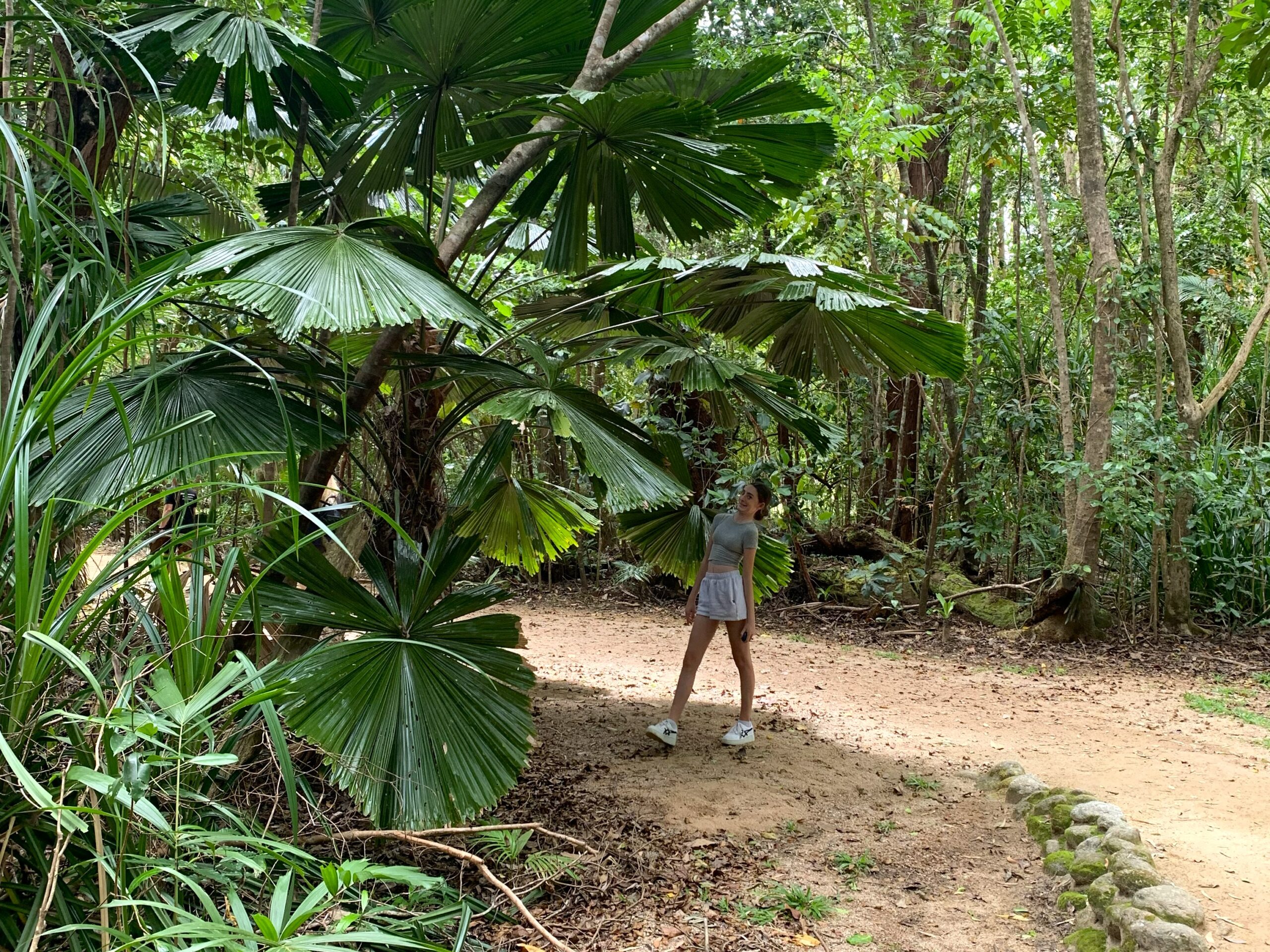
From December to March, Far North Queensland is hot, humid and much wetter, but this is also when the rainforest is at its lushest and waterfalls can be spectacular. The water is warm, accommodation can be cheaper and the tropical landscape is very different from the dry-season version.
And then there are the wildlife events. Come at the right time and you could see humpback whales, dwarf minke whales, coral spawning or turtle activity.
So the best time to visit Far North Queensland really depends on what you want from your trip.
This guide covers Cairns, Port Douglas, Cape Tribulation, Mission Beach and the Atherton Tablelands, as well as the Great Barrier Reef, wet season, stinger season, waterfalls, cyclones and the best time for a Tully River rafting adventure.
At a glance: when should you visit Far North Queensland?
| If your priority is… | Best time |
|---|---|
| Best overall weather | June–August |
| Great Barrier Reef conditions | May–October |
| Lowest humidity | September–October |
| Warmest ocean water | December–March |
| Best waterfalls | January–March |
| Lushest rainforest | Wet season |
| Humpback whales | May–September |
| Dwarf minke whales | May–July |
| Coral spawning | October–December |
| Turtle nesting | Around October–March |
| Lower accommodation prices | Wet season, excluding Christmas/New Year |
| Atherton Tablelands hiking | May–October |
| Tully River rafting | Check river conditions and operator schedules |
| Lowest cyclone risk | May–October |
Far North Queensland weather by month
Cairns is a useful reference point for the coastal part of Far North Queensland, but remember that the region isn’t climatically uniform. Mission Beach is wetter, while the Atherton Tablelands sits high above the coast and is considerably cooler.
The Cairns temperature and rainfall figures below are based on long-term Bureau of Meteorology climate averages. Water temperature and humidity are approximate monthly averages and can vary between locations and years. Source: Visit Cairns.
| Month | Max | Min | Rainfall | Humidity | Water temp | Stinger season | Season |
|---|---|---|---|---|---|---|---|
| January | 32°C | 24°C | 405 mm | 74% | 29°C | 🪼 | Wet |
| February | 31°C | 24°C | 438 mm | 79% | 29°C | 🪼 | Wet |
| March | 31°C | 23°C | 422 mm | 78% | 28°C | 🪼 | Wet |
| April | 29°C | 22°C | 202 mm | 78% | 27°C | 🪼 | Wet/transition |
| May | 28°C | 20°C | 92 mm | 77% | 26°C | 🪼 | Shoulder |
| June | 26°C | 18°C | 46 mm | 75% | 24°C | — | Dry |
| July | 26°C | 17°C | 33 mm | 74% | 22°C | — | Dry |
| August | 27°C | 17°C | 27 mm | 72% | 23°C | — | Dry |
| September | 28°C | 19°C | 34 mm | 68% | 24°C | — | Dry |
| October | 30°C | 21°C | 47 mm | 66% | 26°C | — | Dry/transition |
| November | 31°C | 22°C | 88 mm | 68% | 28°C | 🪼 | Wet/transition |
| December | 32°C | 23°C | 194 mm | 69% | 28°C | 🪼 | Wet |
The most striking thing about the table is the rainfall. Cairns averages more than 400mm a month in January, February and March, compared with less than 50mm in each of June through October.
And then there’s the humidity…
If you’ve never travelled in the tropics, don’t underestimate humidity.
A day sitting around 30°C with high humidity feels very different from a 30°C day in southern Australia. Walking in the rainforest or climbing a lookout can feel considerably harder than the temperature suggests.
The good news is that humidity drops noticeably towards the end of the dry season. September and October are particularly comfortable by tropical standards.
So, when is the best time to visit Far North Queensland?
Best overall: June to August
If this is your first trip to Far North Queensland and you want the safest all-round choice, I’d pick June to August.
You can expect:
- Low rainfall
- Lower humidity
- Warm days
- Cooler evenings
- Good conditions for reef trips
- Comfortable conditions for hiking
- Excellent road-trip weather
The downside is that this is also peak tourist season, so accommodation and popular tours can cost more and book out earlier. Source: Visit Cairns
Best for waterfalls and rainforest: January to March
If waterfalls and rainforest are your priority, I’d turn the usual advice on its head.
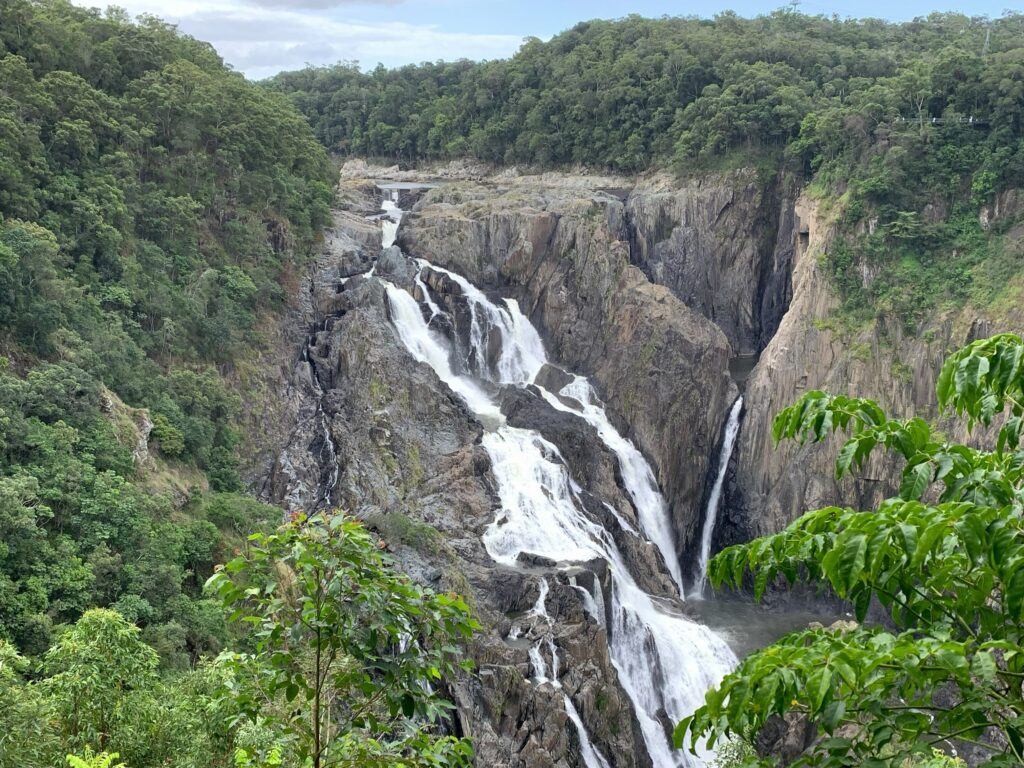
The wet season can be spectacular.
Heavy rain feeds the waterfalls, rivers and rainforest, and the landscape is incredibly lush.
There is a trade-off. You need to be prepared for high humidity, heavy rain, possible flooding and occasional closures of roads, walking tracks and attractions.
This is particularly true around the Atherton Tablelands, where the green season is considered an excellent time to experience the rainforest and spectacular waterfalls. Source: Atherton Tablelands
This is also the time when tropical cyclone risk is highest.
Best overall for the Great Barrier Reef: May to October
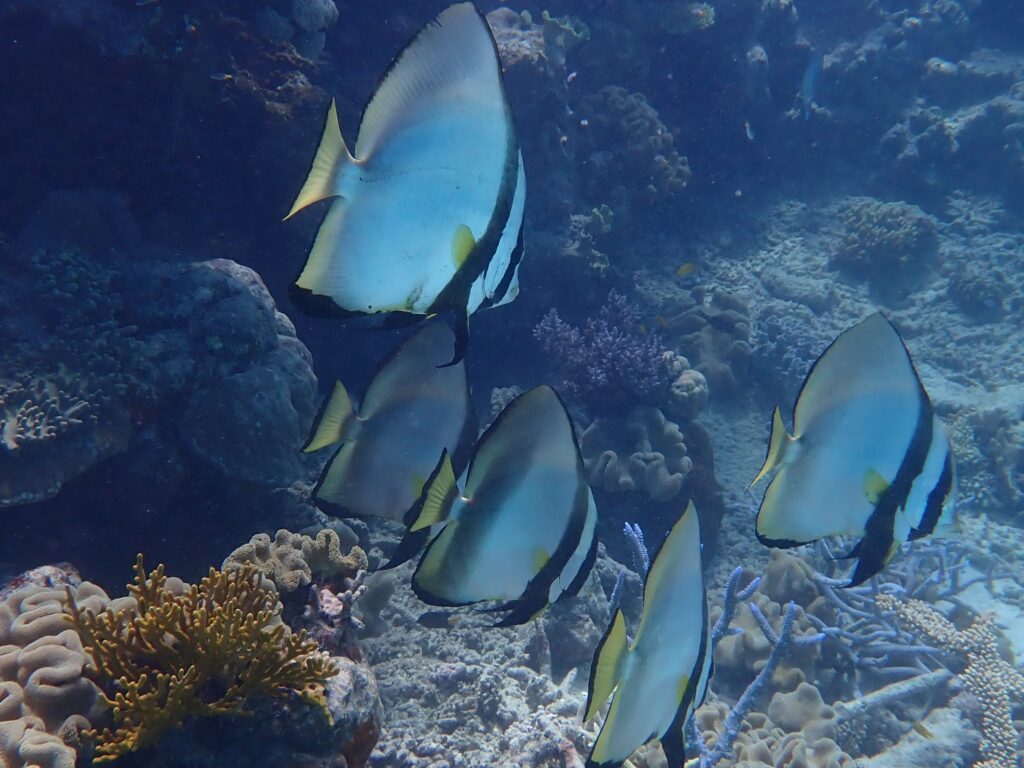
For the best combination of weather, sea conditions and reef visibility, May to October is a good general recommendation. Source: Australia.com
But reef visibility is not guaranteed.
Wind, waves, tides, recent rainfall and local conditions can all affect visibility. A calm wet-season day can sometimes produce superb conditions too.
So I wouldn’t write off a summer reef trip purely because it’s the wet season.
If the reef is the main reason you’re visiting, particularly during the wet season, it’s worth giving yourself some flexibility rather than booking everything around one specific day.
Coming to FNQ for adventure?
From white-water rafting the Tully River and skydiving over Mission Beach to canyoning, rainforest ziplining, reef diving and jet skiing. Far North Queensland has an extra-ordinary range of adventures. I’ve put together the best adventure activities in Far North Queensland, including what I’ve personally experienced, who each activity suits and how much time you’ll need.
Best time to visit Cairns
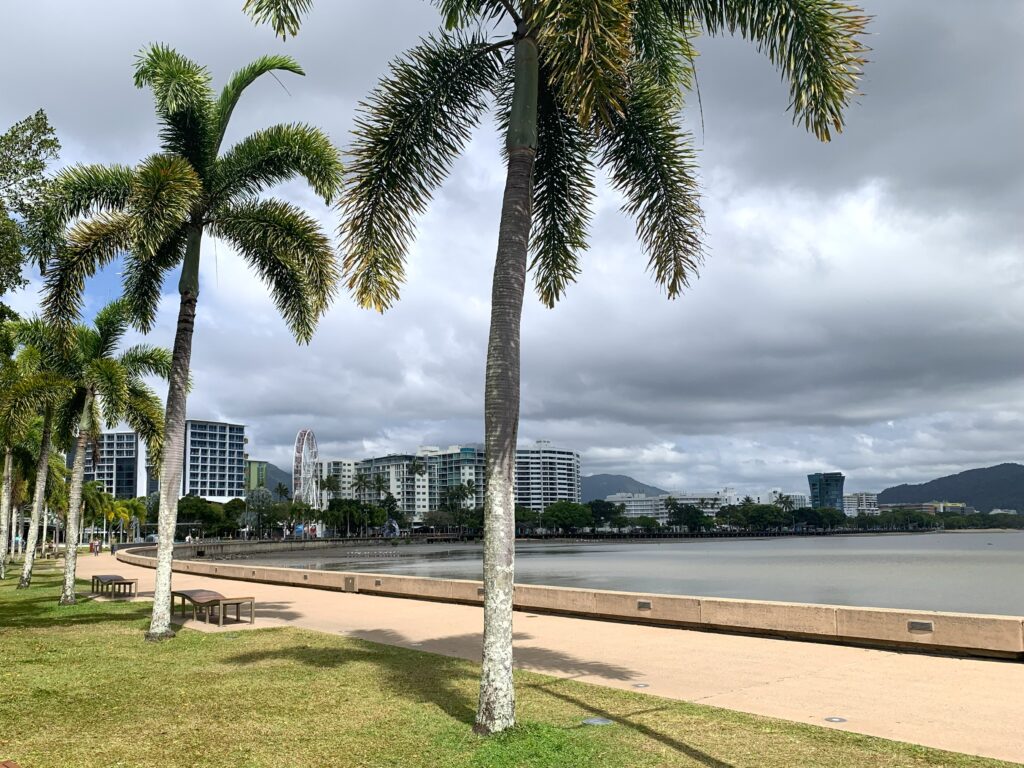
The best time to visit Cairns is generally June to October, when rainfall and humidity are lower and outdoor activities are more comfortable.
If you want the best combination of weather and fewer peak-season crowds, I’d seriously consider May or September–October.
If you’re more interested in waterfalls, rainforest and warm tropical conditions than guaranteed sunshine, the wet season can be rewarding.
Cairns is a year-round destination. The question is really which version of Cairns you want to experience.
Best time to visit Port Douglas
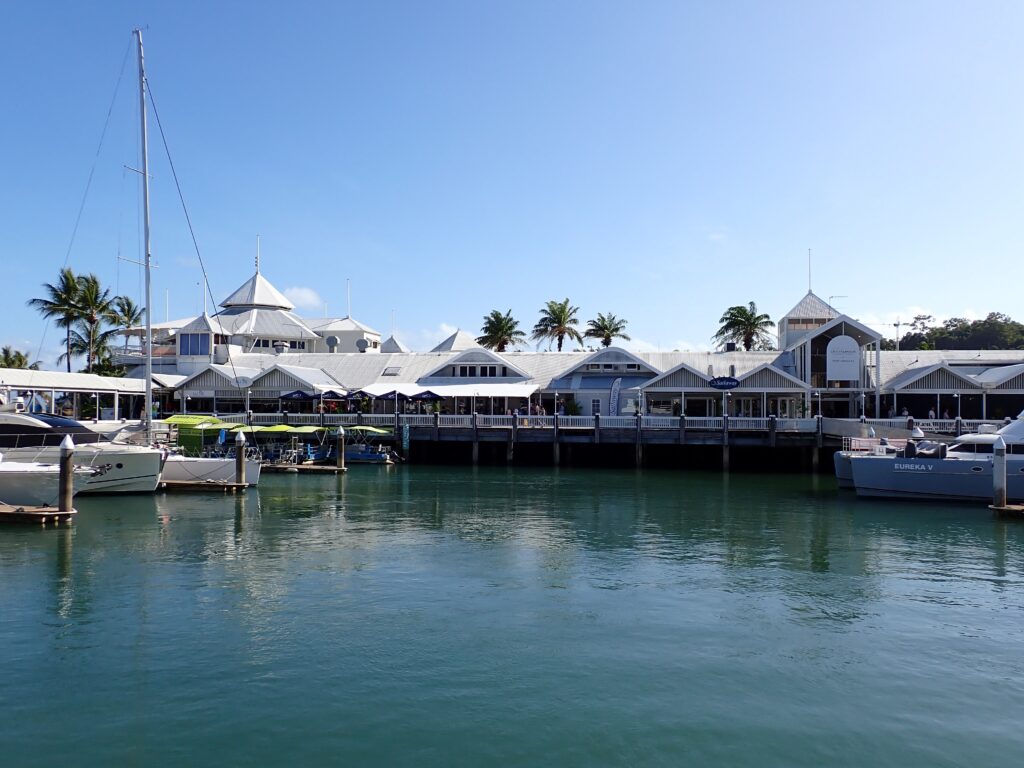
The best time to visit Port Douglas is generally May to October.
June to August gives you the most reliable dry-season conditions, while May and September–October can be good shoulder-season choices.
Port Douglas is particularly well placed for combining a Great Barrier Reef trip with the Daintree Rainforest, so consider what you want to do rather than looking only at the weather. Source: Visit Port Douglas
The wet season can be beautiful here too, but expect higher humidity and a greater chance of heavy rain.
Considering a trip to Port Douglas? Discover all the best things to do in Port Douglas.
Best time to visit Cape Tribulation
Cape Tribulation is different again.
You’re travelling into one of the world’s oldest tropical rainforests, so rain isn’t necessarily the enemy.
The wet season can make the Daintree spectacularly lush, and waterfalls and creeks can be much more impressive after rain.
For a more predictable road trip, I’d choose May to October.
Looking to experience the ultimate Daintree road trip? Read my Cairns to Cape Tribulation Road Trip: The Ultimate Daintree Drive for where to stay, things to do and planning tips.
If you don’t mind tropical downpours and want to see the rainforest at its most dramatic, January to March can be an extraordinary time to visit.
Just check conditions before driving into the Daintree, particularly after significant rain.
Best time to visit Mission Beach
Mission Beach has a wetter climate than Cairns and has its own microclimate.
The dry season is still the best bet for reliable beach weather, with August to October particularly attractive.
Mission Beach receives substantially more rainfall than Cairns, especially during the wet season, so don’t assume the dry season forecast for Cairns will tell you exactly what is happening further south. Long term climate data shows very high rainfall in January-March and much lower rainfall through August-October. Source: Elders Weather
But Mission Beach is part of the Wet Tropics for a reason. Rain helps create the lush rainforest landscape surrounding the coast.
If you’re happy to trade some sunshine for greener scenery and fewer crowds, the shoulder and wet seasons can still be worthwhile.
Atherton Tablelands weather
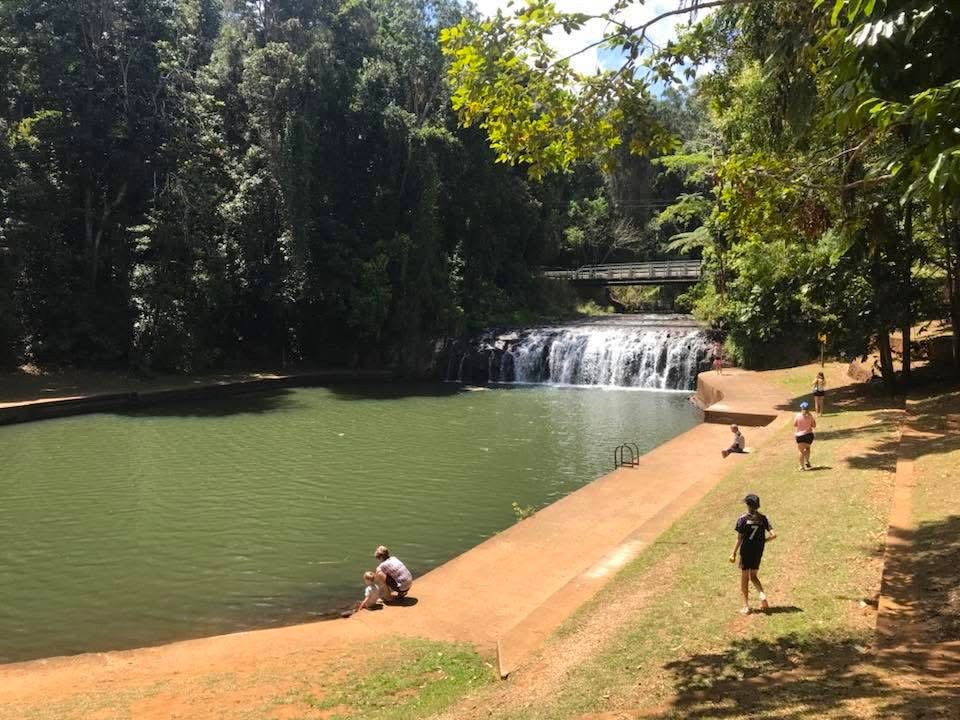
Don’t assume that visiting the Tablelands means experiencing the same tropical conditions as Cairns.
Atherton sits at approximately 753 metres elevation, and the difference is obvious, particularly in winter. Long-term BOM averages show July temperatures around 21°C during the day and just 10°C overnight. Source: Atherton Tablelands
For hiking, driving and exploring the Tablelands, May to October is the easiest period.
For waterfalls and lush rainforest, consider the Green season: December to March.
And pack a warm layer for winter.
You may be in tropical Far North Queensland, but a July morning on the Tablelands can be surprisingly cold.
Atherton Tablelands weather by month
| Month | Avg max | Avg min | Rainfall | What to expect |
|---|---|---|---|---|
| January | 28°C | 19°C | 236 mm | Warm, wet and very green |
| February | 28°C | 19°C | 348 mm | Wettest period, lush rainforest |
| March | 26°C | 18°C | 225 mm | Green and wet |
| April | 25°C | 17°C | 119 mm | Cooler, with rain easing |
| May | 23°C | 14°C | 60 mm | Cool mornings, comfortable days |
| June | 22°C | 13°C | 42 mm | Cool and dry |
| July | 21°C | 10°C | 40 mm | Cold mornings, mild days |
| August | 22°C | 11°C | 35 mm | Cool, dry and comfortable |
| September | 26°C | 13°C | 19 mm | Warm days, cool mornings |
| October | 28°C | 15°C | 35 mm | Warm and increasingly humid |
| November | 29°C | 17°C | 72 mm | Warm, with wet season approaching |
| December | 29°C | 18°C | 151 mm | Warm, wetter and increasingly green |
BOM’s Atherton station data comes from a station at 753m elevation and covers a shorter period than the long-running Cairns station, so treat the figures as a useful guide rather than a precise forecast.
When is the best time to see waterfalls?
If waterfalls are high on your list, visit during or shortly after the wet season.
January to March generally gives you the best chance of seeing waterfalls at their most powerful.
This is particularly relevant around the Atherton Tablelands, where the wet season turns the landscape brilliantly green and feeds the region’s waterfalls. Source: Atherton Tablelands.
The downside is that very heavy rain can make some walks inaccessible or roads difficult to travel.
So don’t simply look at the rainfall forecast. Check local track and road conditions too.
Best time to visit the Great Barrier Reef
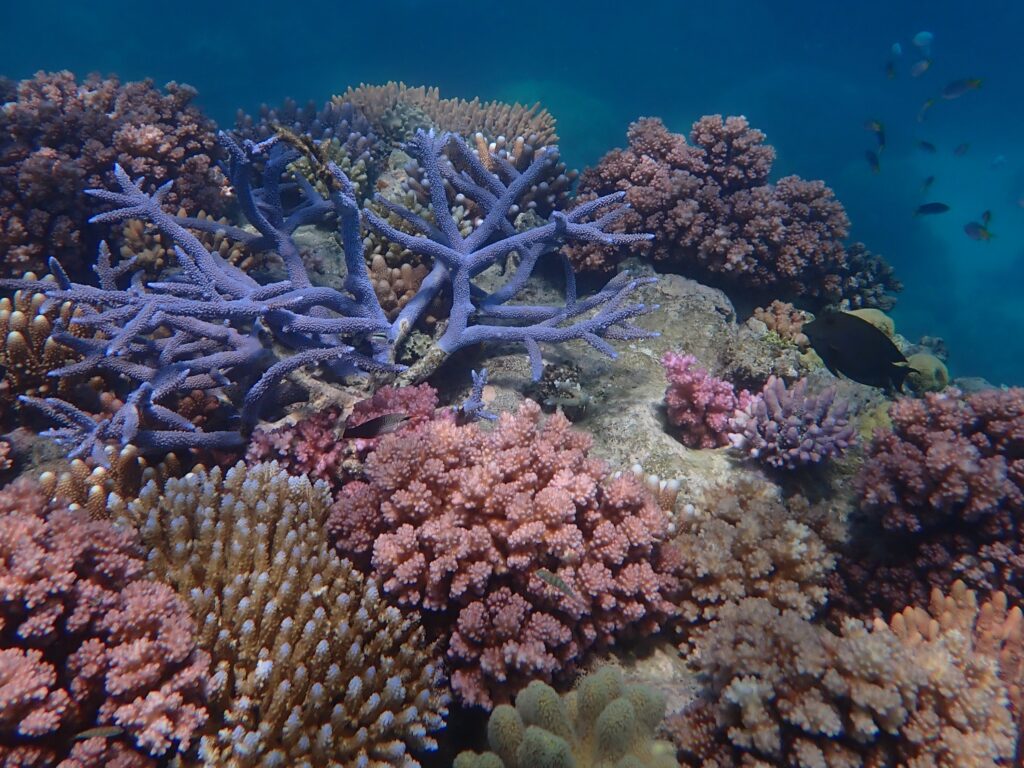
If you’re coming primarily for the reef, May to October is my general recommendation.
You’ll usually have the best combination of lower rainfall, more predictable weather and comfortable water temperatures.
But how do you see the Great Barrier Reef? Discover the Best Ways to Experience the Great Barrier Reef.
But there are some fascinating seasonal events that might make you choose a different time.
Humpback whales: May to September
Humpback whales migrate from Antarctic waters to the warmer waters of the Great Barrier Reef from May to September, where they calve, mate and spend the winter months.
So if you’re visiting Cairns, Port Douglas or the reef during winter, keep an eye out for whales while you’re on the water.
Find out more about the humpback whale migration with my guide Whale Watching on the East Coast of Australia.
Dwarf minke whales: May to July
This is a particularly special northern Great Barrier Reef experience.
The Ribbon Reefs north of Cairns are an important area for dwarf minke whales, which are regularly encountered by dive vessels particularly around May to July.
Specialist trips can offer the opportunity to enter the water with these curious whales under managed conditions.
If swimming with dwarf minke whales is on your bucket list, June and July are the months I’d investigate first.
Coral spawning: October to December
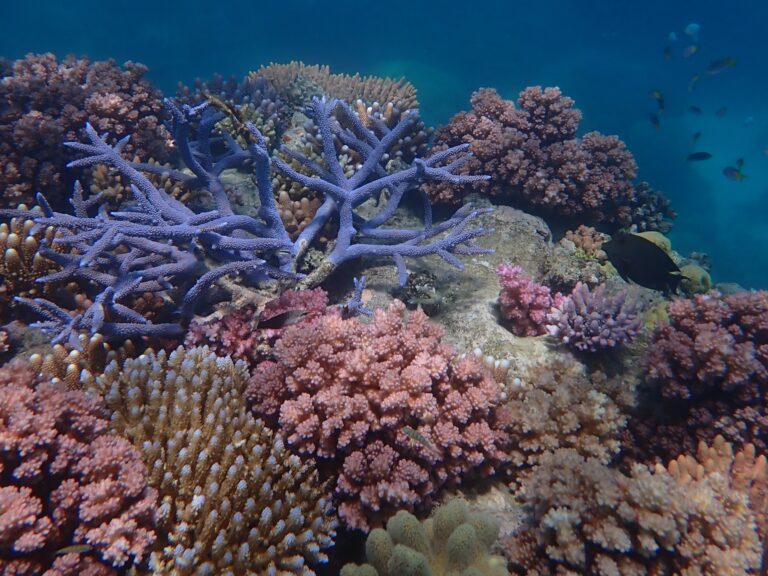
Late spring and early summer bring one of the reef’s most extraordinary natural events: mass coral spawning.
Corals generally spawn on the nights following the October, November and December full moons, although the exact timing varies depending on the reef. The Reef Authority says spawning typically occurs one to six nights after the full moon.
At night, colonies release eggs and sperm into the water simultaneously, creating an extraordinary underwater display.
If you’re a diver or particularly interested in marine life, October to December is worth investigating, but don’t book a trip expecting a guaranteed spawning event. The exact timing varies.
Turtles
The Great Barrier Reef is also important habitat for marine turtles.
The Reef Authority notes that turtles are commonly found in shallow reef and seagrass areas, with mating behaviour bringing them closer to the surface particularly around September and October.
Turtle nesting and hatching also follow seasonal patterns, although the exact experience varies considerably depending on location.
Reef wildlife calendar
If wildlife is influencing your travel dates, this is a better way to think about the reef:
| What you want to see | When to consider visiting |
|---|---|
| 🐋 Humpback whales | May–September |
| 🐋 Dwarf minke whales | May–July |
| 🐢 Turtle activity | Around September–October and through the nesting season |
| 🪸 Coral spawning | October–December |
| 🤿 Generally favourable reef conditions | May–October |
| 🌡️ Warmest water | December–March |
Wildlife is seasonal, not scheduled. Sightings are never guaranteed.
Stinger season in Far North Queensland
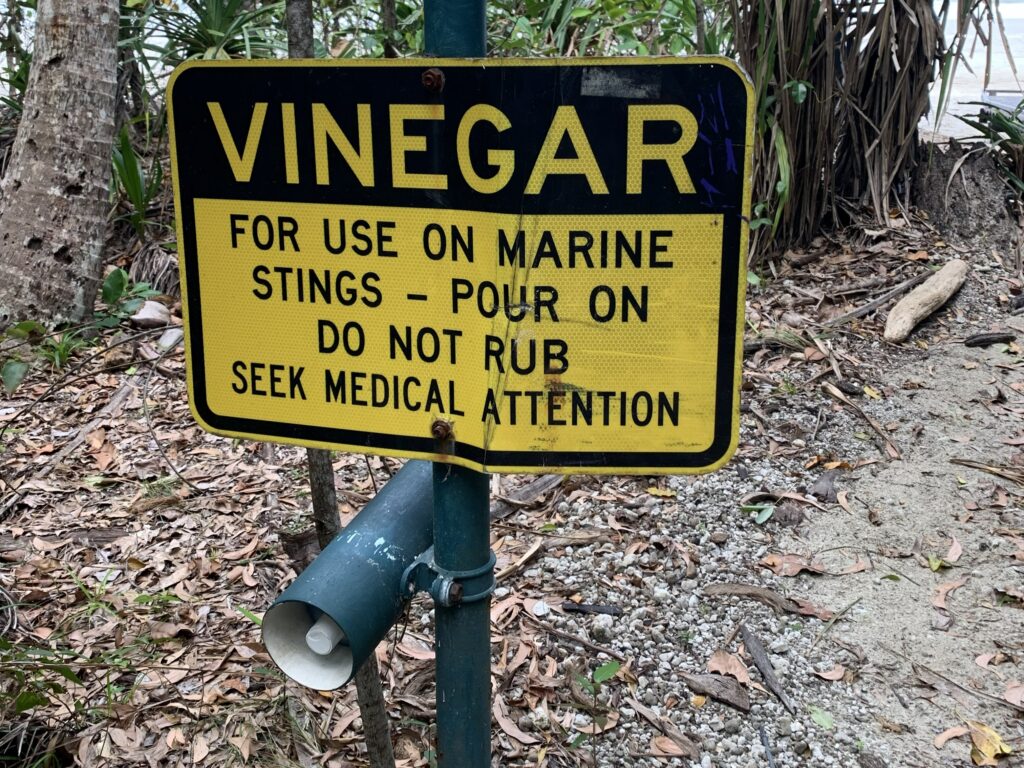
Marine stingers can occur in tropical Queensland waters all year, but the risk is higher during the recognised marine stinger season from November to May.
That doesn’t mean you can’t swim or snorkel.
During stinger season:
- Swim at patrolled beaches.
- Follow local signs and warnings.
- Use designated swimming enclosures where available.
- Consider wearing a full-body stinger suit.
- Follow your reef operator’s instructions when snorkelling or diving.
Stinger season is particularly important when you’re deciding whether to spend time swimming from the beach. Reef trips operate under their own safety procedures, and operators generally provide protective suits during the stinger season. Source: Cairns Tourism
Coming to Far North Queensland specifically for white-water rafting?
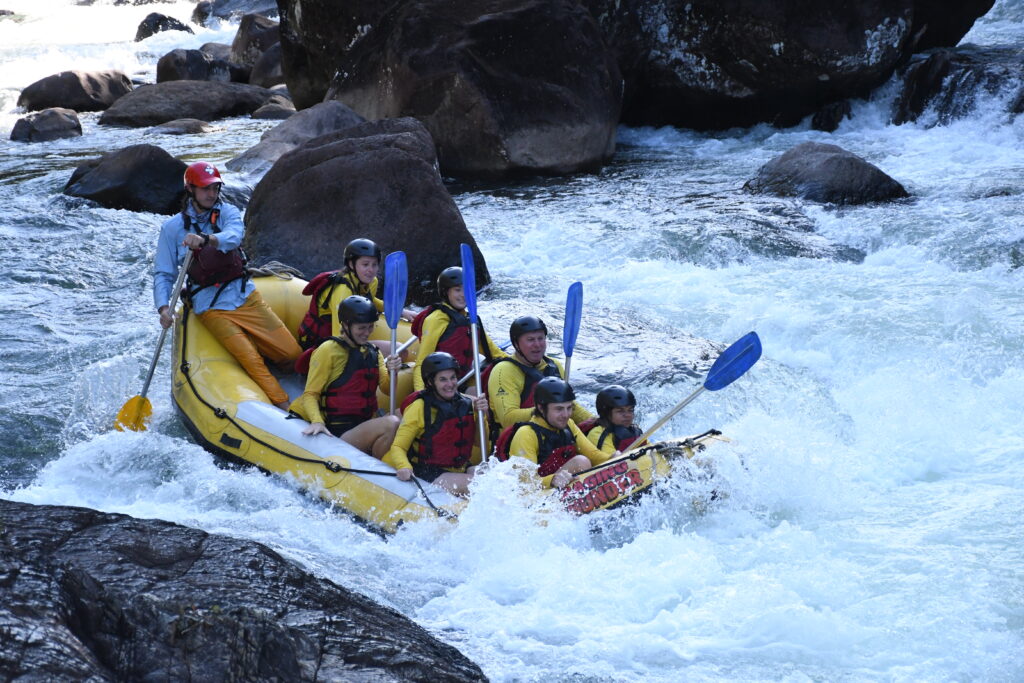
If rafting is the reason you’re planning your trip, you may want to look at Far North Queensland’s weather very differently.
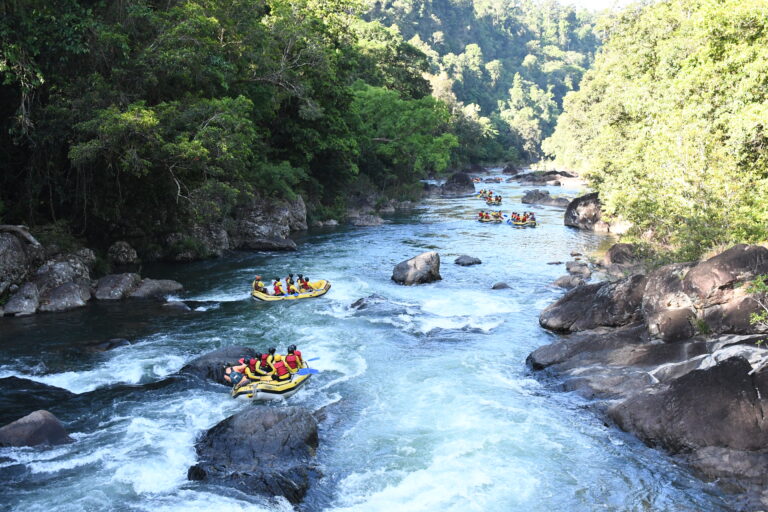
The Tully River is one of Australia’s best-known whitewater rivers, running through the Wet Tropics rainforest.
And Tully is famous for rain.
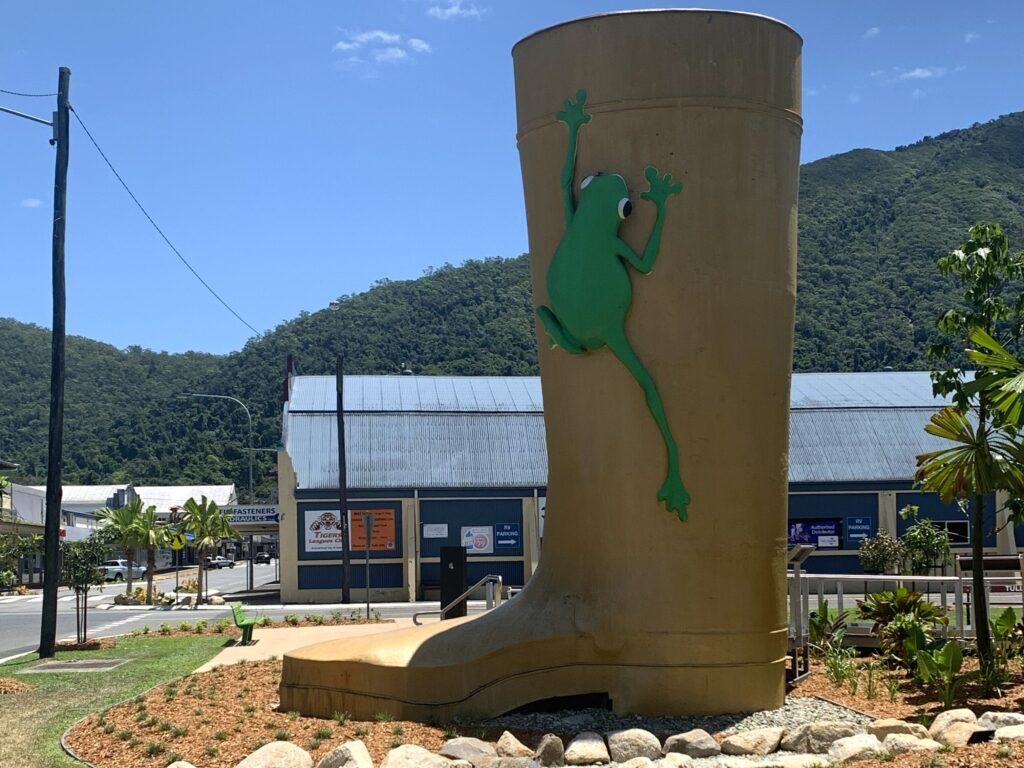
In 1950, the area recorded almost 7.9 metres of rain in a single year — the rainfall record that inspired Tully’s enormous Golden Gumboot.
The Tully River has an international reputation too. In May 2019, it hosted the IRF World Rafting Championships, with more than 300 rafters from 19 countries competing across several disciplines on Grade IV whitewater.
So if you’re planning a trip specifically around rafting, don’t simply choose your dates based on the driest weather.
River levels and conditions are a separate consideration from reef and beach weather. Check current conditions and the rafting operator’s schedule before booking.
Doscover Tully River Rafting: What to Expect
What about tropical cyclones?
Tropical cyclone season in Australia officially runs from 1 November to 30 April. Northern Queensland is one of the areas of Australia that can experience tropical cyclones. Source: Bureau of Meteorology
A cyclone doesn’t have to make a direct landfall to affect your holiday.
A tropical system can bring:
- Heavy rain
- Flooding
- Strong winds
- Road closures
- Cancelled reef trips
- National park closures
- Flight disruptions
- Changes to accommodation plans
Tropical lows can also cause significant rainfall and flooding without becoming cyclones.
If you’re travelling during the wet season, build some flexibility into your itinerary.
This is particularly important for a Cairns-to-Cape Tribulation road trip. Don’t plan every day so tightly that one weather event leaves you with nowhere to go.
What weather and cyclone apps should you have?
If you’re travelling around Far North Queensland during the wet season, I’d put the BOM Weather app on your phone before you leave.
It provides forecasts, radar and warnings, and you can configure warning notifications for up to three locations.
I’d also consider:
- BOM Weather — forecasts, radar and official warnings
- Emergency+ — useful for identifying your location in an emergency
- SES Assistance QLD — storm and flood assistance
- ABC Listen — useful for local emergency information
- Queensland Traffic — road and travel conditions
Queensland’s Get Ready program recommends BOM Weather, Emergency+, SES Assistance QLD and other emergency resources for staying informed during disasters.
You don’t need to register for Australia’s emergency alert SMS system. If an emergency alert is issued for your location, it can be sent directly to your mobile phone. Source: Get Ready Queensland
Don’t rely on an app alone
During a serious weather event, follow official warnings and instructions from emergency services, local authorities and your accommodation provider.
Does the wet season mean it rains all day?
No.
This is one of the biggest misconceptions about visiting Far North Queensland.
Tropical rain can be extremely localised.
You might have a spectacular sunny morning followed by a huge afternoon storm. You might get rain overnight and wake up to sunshine.
And when the rain arrives, it can be spectacular.
Waterfalls roar, the rainforest becomes intensely green and the landscape looks completely different from the dry season.
If you’re prepared for some uncertainty, the wet season can be a fantastic time to experience FNQ.
When is accommodation cheapest?
Generally, January to March is lower season for much of Far North Queensland.
You may find better availability and lower accommodation prices than during the dry-season peak.
There is one major exception: Christmas and New Year.
Demand rises considerably around the Christmas holidays, so don’t assume December is automatically cheap.
Rough guide
Peak season: June–August
Shoulder season: May and September–October
Lower season: January–March
Christmas/New Year: High demand
Prices vary by destination, school holidays, events and individual properties, so use this as a planning guide rather than a guarantee.
Best time to visit Far North Queensland by traveller type
Want the easiest first trip?
June to August
Coming primarily for the Great Barrier Reef?
May to October
Want to see whales?
May to September
Want to look for dwarf minke whales?
May to July
Want to experience coral spawning?
October to December
Want spectacular waterfalls?
January to March
Want the rainforest at its lushest?
Wet season
Want comfortable hiking weather?
May to October
Hate humidity?
September and October
Looking for lower-season accommodation?
January to March, outside the Christmas/New Year period
Coming specifically to raft the Tully River?
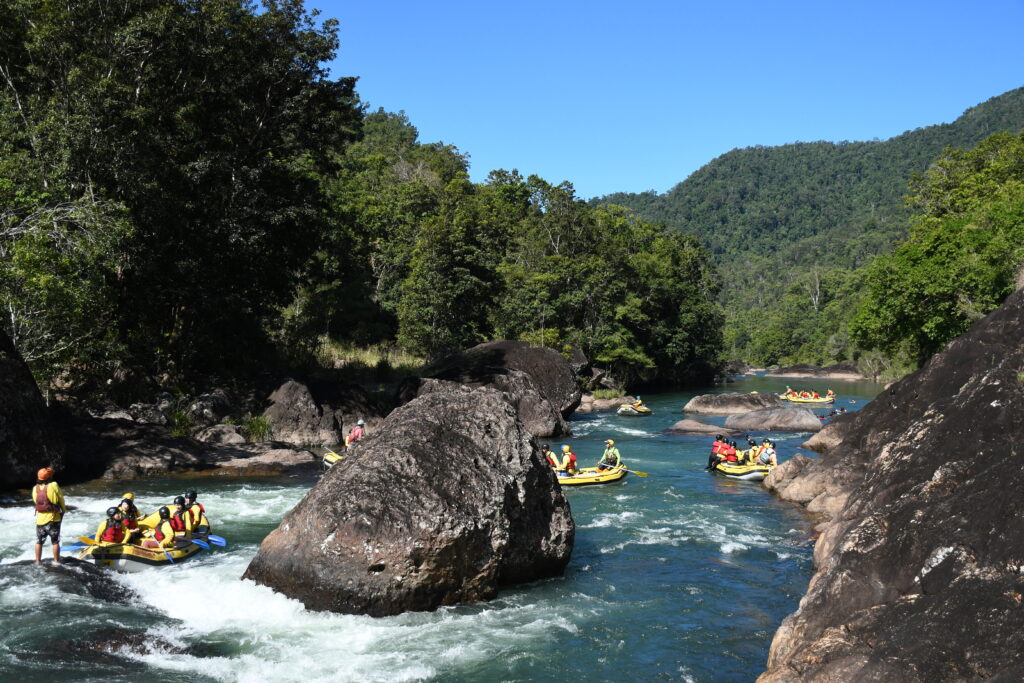
Check river conditions and operator schedules rather than simply choosing the driest month.
Best time to visit Far North Queensland month by month
January
January is hot, humid and wet.
Cairns averages around 32°C during the day and 24°C overnight, with more than 400mm of rain. The ocean is beautifully warm at around 29°C.
It’s not the month I’d choose for guaranteed sunshine, but it can be fantastic for waterfalls and rainforest.
January is good for:
- 💦 Waterfalls
- 🌿 Lush rainforest
- 🤿 Warm reef water
- 🥭 Tropical fruit
- 💰 Lower-season accommodation
Keep in mind: humidity, heavy rain, stingers and cyclone risk.
February
February is usually one of the wettest months of the year.
Cairns averages around 438mm of rainfall, with high humidity and temperatures around 31°C during the day.
For dry hiking trails and predictable weather, this isn’t my first choice.
For waterfalls and lush rainforest, it’s another story.
March
March remains firmly in the wet season.
The landscape is incredibly green, waterfalls can be impressive and the water remains very warm.
It’s also a month when flexibility is particularly useful. Heavy rain can affect roads, tracks and attractions.
April
April is one of my favourite compromise months.
The wet season is easing, but the landscape is still lush and waterfalls can still have plenty of water.
Rainfall drops substantially compared with February and March.
It’s a good time for:
- Rainforest
- Waterfalls
- Road trips
- Reef trips
- Warm tropical weather
May
May marks the transition towards the dry season.
Rainfall drops dramatically, temperatures become more comfortable and the reef remains warm.
It’s an excellent shoulder-season choice if you want good weather without quite as much peak-season demand.
May also marks the beginning of the humpback whale season on the Great Barrier Reef.
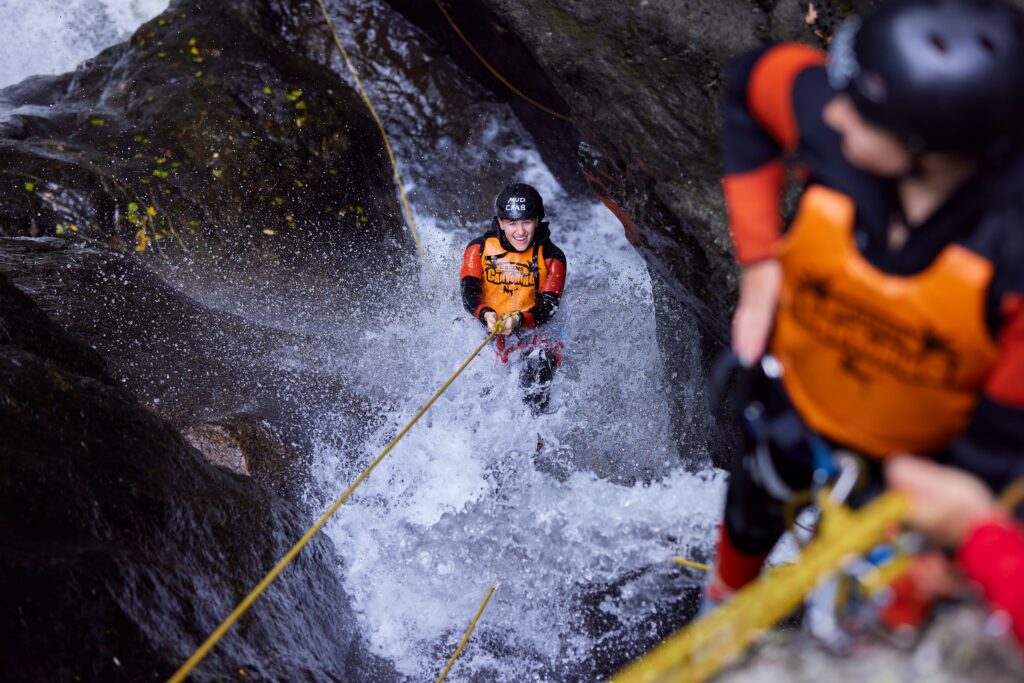
It’s also a great time to start looking at the region’s outdoor adventures, from rafting and canyoning to reef activities and skydiving.
Find your adventure with the best adventure activities in Far North Queensland.
June
June is when Far North Queensland really starts showing off.
Warm days, cooler nights, low rainfall and lower humidity make it an excellent month for combining the reef, rainforest and road trips.
It’s also the beginning of peak tourist season.
July
July is one of the driest months of the year.
Cairns averages around 26°C during the day and 17°C overnight, with only around 33mm of rainfall.
This is arguably one of the easiest months for a first-time FNQ visitor.
Remember that the Atherton Tablelands can be much colder.
August
August continues the dry-season pattern.
Rainfall remains very low, humidity is relatively low and temperatures are comfortable.
It’s an excellent month for:
- Reef trips
- Hiking
- Daintree
- Road trips
- Whale watching
It’s also peak tourist season.
September
September is one of my favourite all-round months.
It’s warm, relatively dry and humidity drops significantly compared with the wet season.
If you don’t love oppressive tropical humidity, September is worth considering.
It’s also still humpback whale season.
October
October is another excellent shoulder-season month.
Temperatures are rising, the water is warming and humidity is still relatively low.
It’s also when the first coral spawning events may occur following the October full moon, depending on the reef.
If I wanted warm weather, warm water and lower humidity without the full intensity of the wet season, October would be high on my list.
November
November is when the tropics start changing gear.
Temperatures rise, humidity increases and rainfall begins to build.
Stinger season returns, while coral spawning continues around the November full moon depending on the location of the reef.
It can be a fascinating month for marine wildlife, but weather becomes less predictable.
December
December is hot, humid and increasingly wet.
The water is around 28°C and the rainforest is beginning to green up.
Early December can be an interesting time for coral spawning, while Christmas and New Year bring a major increase in accommodation demand.
If you’re travelling over Christmas, book ahead.
So, when would I choose?
If you want one simple answer:
June to August
The easiest choice for a first visit. Dry, warm and comfortable.
September to October
Possibly the sweet spot. Warm, relatively dry, lower humidity and excellent reef conditions.
April to May
Great shoulder season. Lush rainforest, warm water and improving weather.
January to March

For waterfall and rainforest lovers. Wet, humid and unpredictable, but spectacularly green.
October to December
For marine-life enthusiasts. Coral spawning makes this an especially interesting time to investigate reef trips.
There really isn’t one “wrong” time to visit Far North Queensland.
It’s more about choosing the season that matches what you want to experience.
FAQs
What is the best month to visit Far North Queensland?
June to August is generally the best period for reliable weather, lower rainfall and lower humidity. September and October are also excellent if you want warm weather with less peak-season pressure.
What is the best time to visit Cairns?
June to October is generally the easiest time to visit Cairns, particularly if you want to spend plenty of time outdoors. May and September–October are good shoulder-season options.
What is the best time to visit Port Douglas and Cape Tribulation?
May to October offers the best combination of comfortable weather and lower rainfall. The wet season can be spectacular if lush rainforest and waterfalls are more important to you than predictable sunshine.
What is the best time to visit the Great Barrier Reef?
May to October is generally the best overall period for reef trips, particularly if weather and water clarity are priorities. However, reef visibility varies with wind, waves, tides and recent weather, so excellent conditions can occur outside these months too.
When is stinger season in Far North Queensland?
The marine stinger season generally runs from November to May, although stingers can occur year-round in tropical Queensland waters. Follow local safety advice and use protective clothing and designated swimming areas where recommended.
When is the best time to see waterfalls in Far North Queensland?
January to March is generally the best time to see waterfalls at their most powerful because of the wet-season rainfall. The Atherton Tablelands is particularly good for combining waterfalls with lush rainforest.
Is the Atherton Tablelands colder than Cairns?
Yes. The Tablelands sits at considerably higher elevation. Atherton’s long-term July averages are around 21°C during the day and 10°C overnight, compared with Cairns’ approximately 26°C and 17°C.
Is the wet season a bad time to visit Far North Queensland?
Not necessarily. It is hotter, more humid and wetter, and there is greater risk of cyclones and weather-related disruption. But the rainforest is exceptionally lush and waterfalls are often at their best. If you are flexible with your plans, the wet season can be a wonderful time to visit.
Final tips for planning your FNQ trip
Don’t plan around the weather forecast months in advance. Climate averages tell you what is typical, not what your particular week will look like.
Leave some flexibility in wet-season itineraries. A road closure or cancelled reef trip can happen, particularly after heavy rain.
Pack for both the coast and the Tablelands. Tropical doesn’t always mean hot. The Atherton Tablelands can be surprisingly cool in winter.
Take the humidity seriously. If you’re planning long walks, allow more time and carry plenty of water.
Check marine conditions before reef trips. Visibility and sea conditions can change quickly.
Don’t ignore stinger advice. November to May is the higher-risk period for marine stingers, but they can occur year-round.
If you’re travelling during cyclone season, check BOM regularly. The official Australian cyclone season runs from 1 November to 30 April.
And most importantly, don’t assume that the dry season is automatically the best season for everything.
For reef conditions, winter is hard to beat. The wet season wins for waterfalls. For coral spawning, look towards October to December. For dwarf minke whales, May to July is special. And if you’re coming to FNQ specifically to raft the Tully, the river deserves a completely different way of thinking about the weather.
That’s the beauty of Far North Queensland: there’s a different reason to visit in almost every season.