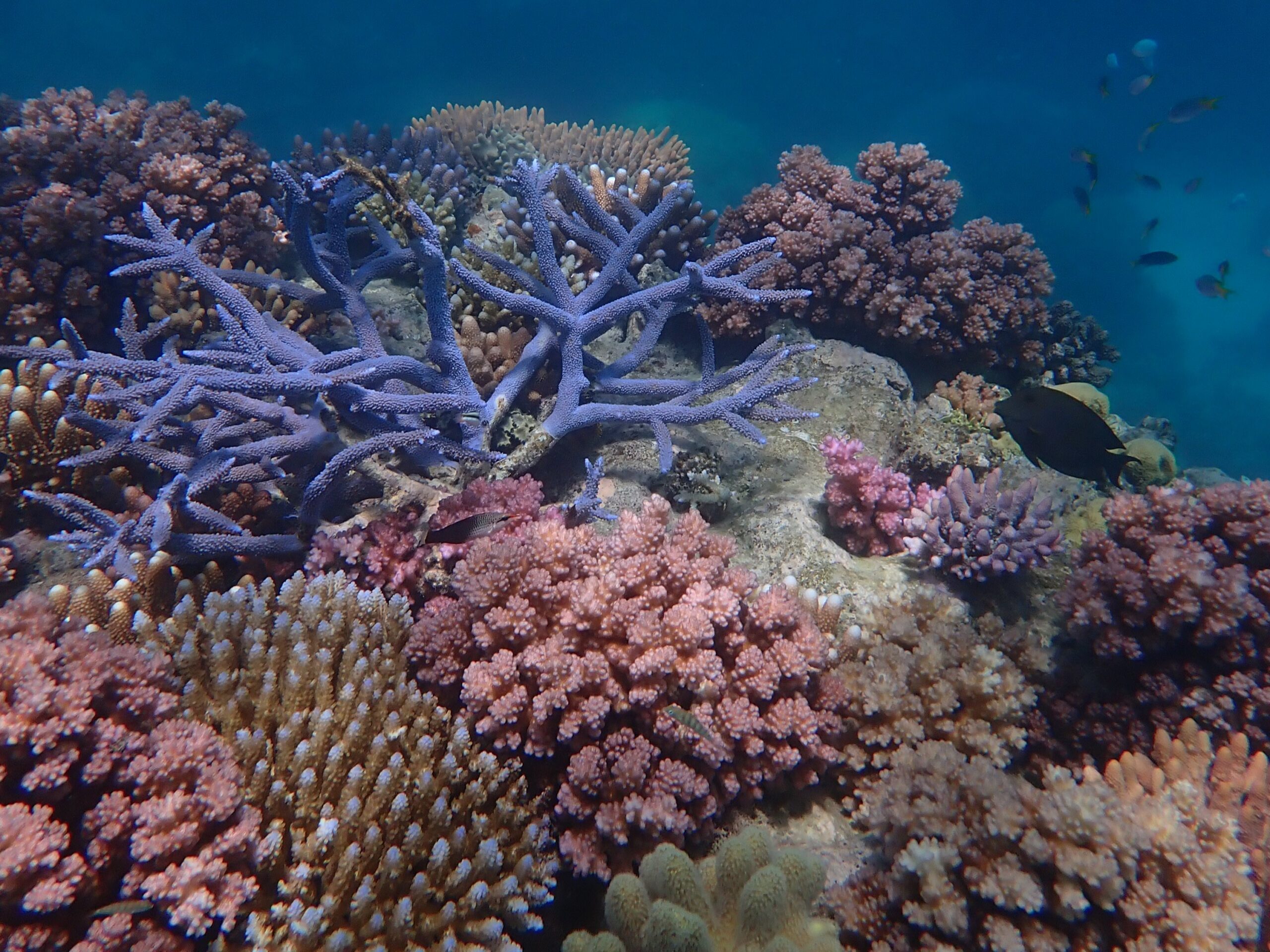
Best Ways to Experience the Great Barrier Reef
The Great Barrier Reef is one of those places that is difficult to comprehend until you actually get out on the water.
Stretching for around 2,300 kilometres along the Queensland coast, from the northern tip of Cape York to just north of Bundaberg, the Great Barrier Reef is the world’s largest coral reef ecosystem. It isn’t one enormous reef, but a vast network of thousands of individual reefs, islands, coral cays and other marine habitats.
It is so enormous that parts of the Great Barrier Reef can be seen from space.
But here’s the thing: you don’t experience the Great Barrier Reef from space. You experience it from the water.
And there are far more ways to do that than simply putting on a mask and snorkel.
You can snorkel from an island, head out to an outer reef, spend the day on a pontoon, dive from a day boat, spend several nights on a liveaboard, explore the reef from a glass-bottom boat or semi-submersible — or, if you’re looking for something truly unforgettable, sleep beside the reef.
I’ve snorkelled and scuba dived on the Great Barrier Reef, including diving from day boats and a liveaboard, so I’ve experienced some of these options myself. Others, such as sleeping on the reef, are still on my wish list.
So which Great Barrier Reef experience is right for you?
That’s what this guide is about.
If you are looking for more adventures whilst visiting the reef, check out my guide on the Best Adventures in Far North Queensland.
Some links in this post are affiliate links, which means I may earn a small commission if you choose to make a purchase. It helps support Roam with No Regrets at no extra cost to you — thank you for your support!
Where should you base yourself for the Great Barrier Reef?
The Great Barrier Reef stretches for thousands of kilometres, so where you stay makes a difference to the type of reef experience you can have.
For visitors exploring Tropical North Queensland and the Whitsundays, the main bases to consider are Cairns, Port Douglas, Cape Tribulation and the Whitsundays.
Cairns
Cairns is one of the biggest gateways to the Great Barrier Reef, with a wide range of reef trips including snorkelling, diving, pontoons and island experiences.
It’s also a particularly practical base if you’re combining the reef with other Tropical North Queensland attractions.
Choose Cairns if: you want lots of reef-trip options, you’re combining the reef with other Cairns experiences, or you’re looking for a convenient base with plenty of accommodation and tour choices.
Port Douglas
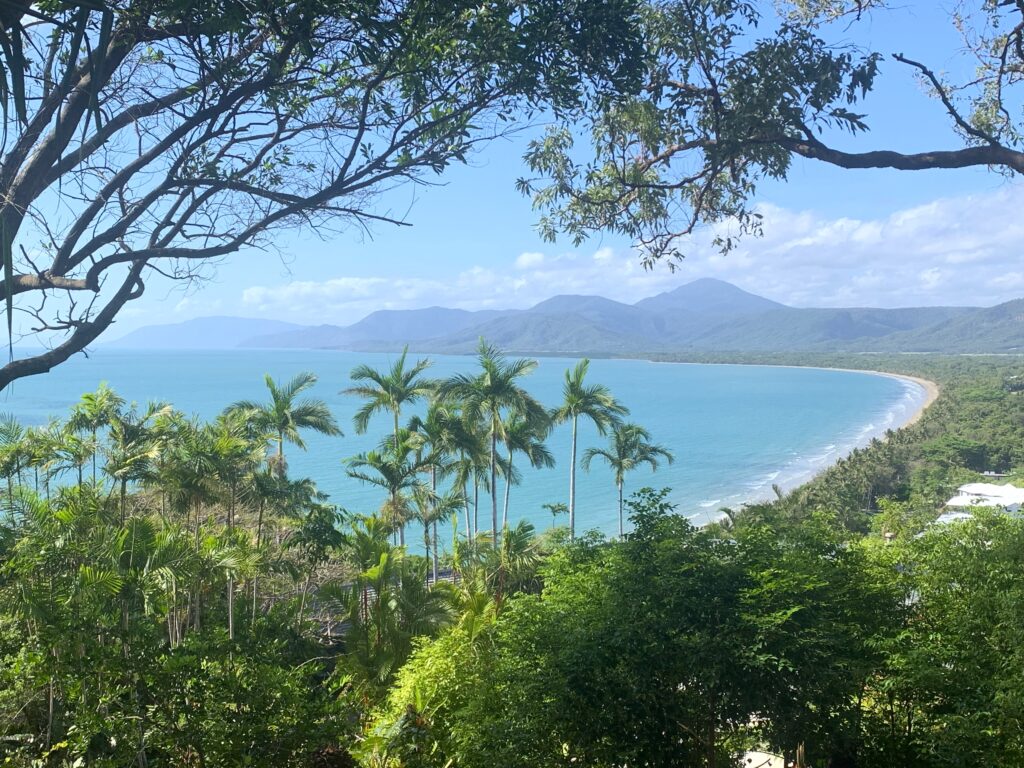
Port Douglas gives you another major gateway to the outer reef, including the Agincourt Ribbon Reefs, as well as access to Low Isles.
The big advantage is that Port Douglas also puts you much closer to the Daintree and Cape Tribulation than Cairns.
Choose Port Douglas if: the reef and Daintree are both high on your itinerary and you want to combine them from one base.
Still deciding if Port Douglas is right for you? Have a closer look at Port Douglas with my guide Things to Do in Port Douglas.
Cape Tribulation
Cape Tribulation is a different proposition. You’re not choosing it because it’s the most convenient base for a conventional reef day trip.
You’re choosing it because the rainforest and reef meet here.
Discover how to get to Cape Tribulation and everything there is to do on the way with Cairns to Cape Tribulation Road Trip: The Ultimate Daintree Drive.
Choose Cape Tribulation if: you’re interested in experiencing the Daintree and the meeting of two World Heritage environments, and you’re happy for the reef experience to be part of a broader rainforest-and-coast adventure.
If you are staying in Cape Tribulation, Ocean Safari offers half day snorkel tours from Cape Tribulation. Check availability.
The Whitsundays
The Whitsundays are another completely different way to experience the Great Barrier Reef region.
Here, the islands, sailing, beaches and reef are all part of the attraction. The Whitsundays include the Hardy Reef area, as well as the famous islands and beaches.
Best of all, you can combine sailing and snorkelling and a visit to Whitehaven Beach all in one day.
Compare options for a memorable Whitsundays experience.
Choose the Whitsundays if: you want your reef trip combined with island scenery, sailing and Whitehaven Beach.
Snorkelling the Great Barrier Reef
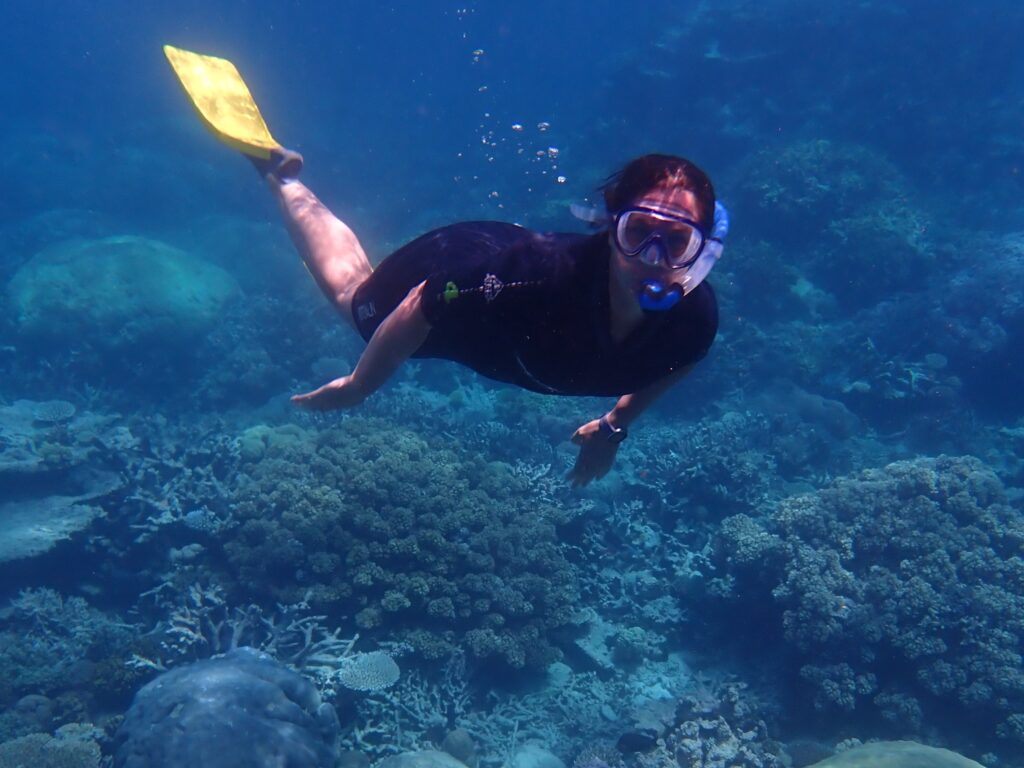
You don’t need to be a scuba diver to experience the Great Barrier Reef. For many visitors, snorkelling is the easiest and most rewarding way to get into the water and see the reef up close.
There are several ways to snorkel the Great Barrier Reef, and they’re not all the same.
Snorkelling on an outer reef day trip
An outer reef day trip is the classic Great Barrier Reef experience.
You’ll travel by boat from Cairns or Port Douglas to a reef further offshore, where you’ll generally have several hours to snorkel and, depending on the trip, dive or participate in other activities.
The big advantage is that you’re experiencing the reef itself rather than simply visiting an island. Outer reef sites can have extensive coral gardens and large numbers of reef fish.
When we visit Port Douglas, we choose to snorkel with Wavelength. They specialise in snorkelling, visiting shallower reefs perfect for snorkelling. We saw Nemo, turtles, reef sharks and so many different reef fish and coral. It’s always a great day out.
Join Wavelength for your Port Douglas snorkelling adventure.
You can also visit the outer reef from Cairns.
Compare outer reef tours departing from Cairns.
Best for: people who want to spend as much time as possible actually experiencing the reef.
Snorkelling from an island
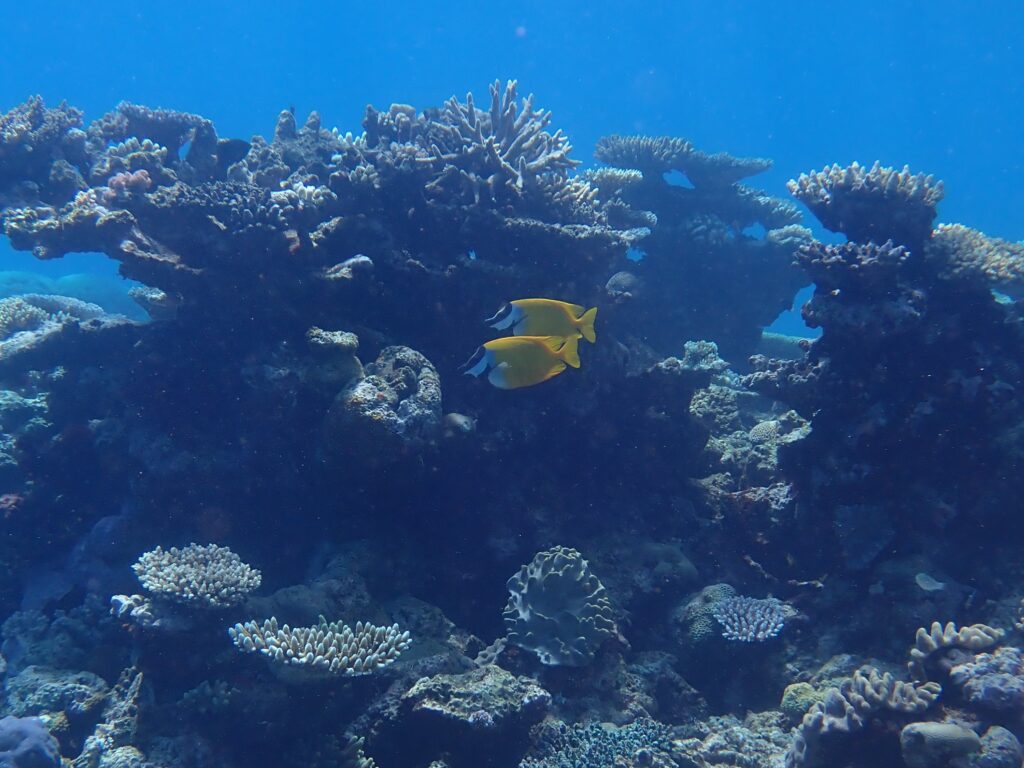
Another option is to visit one of the Great Barrier Reef islands, such as Green Island or Fitzroy Island.
This gives you a very different experience. You can combine snorkelling with beaches, walking, rainforest and other island activities, making it particularly appealing if everyone in your group doesn’t want to spend the entire day in the water.
Check availability for a day on Fitzroy Island for snorkelling and hiking.
Best for: families, mixed groups and anyone who wants reef time combined with an island experience.
Snorkelling from a pontoon
A reef pontoon can be a fantastic option if you’re travelling with people of different ages and abilities.
You can snorkel, scuba dive or simply enjoy being out on the reef. Depending on the pontoon, there may also be glass-bottom boats, semi-submersibles, underwater observatories and other ways to see the reef without getting wet.
The stable platform is also reassuring if you’re nervous about being in open water.
Check availability for a pontoon reef experience.
Best for: families, mixed groups and people who want plenty of options in one day.
Assisted snorkelling
If you’d love to snorkel the reef but don’t want to spend the whole time swimming under your own steam, look for trips offering assisted snorkelling.
Some experiences use small underwater propulsion devices that you hold onto while they gently pull you through the water. You still snorkel normally, but the device does much of the work.
It’s a fun option for people who tire easily, aren’t confident swimmers or simply want to cover more reef without constantly kicking.
What if I’m not a confident swimmer?
You don’t have to be an incredibly strong swimmer to enjoy the Great Barrier Reef.
Many reef trips have pool noodles, flotation devices, life jackets or flotation vests available for snorkellers. These can make a huge difference to your confidence.
Snorkelling guides will often keep weaker swimmers and children close to the group and can help you stay above the reef rather than putting your feet down.
If you’re nervous about the water, tell the operator when you book. Look for a trip with good supervision, flotation equipment and a sheltered or designated snorkelling area.
And don’t be embarrassed about using a flotation aid. You’re there to enjoy the reef, not prove how well you can swim.
Can kids snorkel the Great Barrier Reef?
Absolutely — but choose your reef experience carefully.
A child who is perfectly happy swimming in a pool may feel very different when they’re floating in the ocean with waves, a mask and snorkel.
For younger children or kids who aren’t strong swimmers, I’d lean towards a pontoon-based experience. Having a stable platform, flotation equipment and dry activities available means they can experience the reef without having to spend the entire day in open water.
Confident older children may love an outer reef snorkelling trip.
And remember that reef conditions can change. What feels easy in calm water can be considerably harder when there’s wind and chop.
Scuba diving the Great Barrier Reef
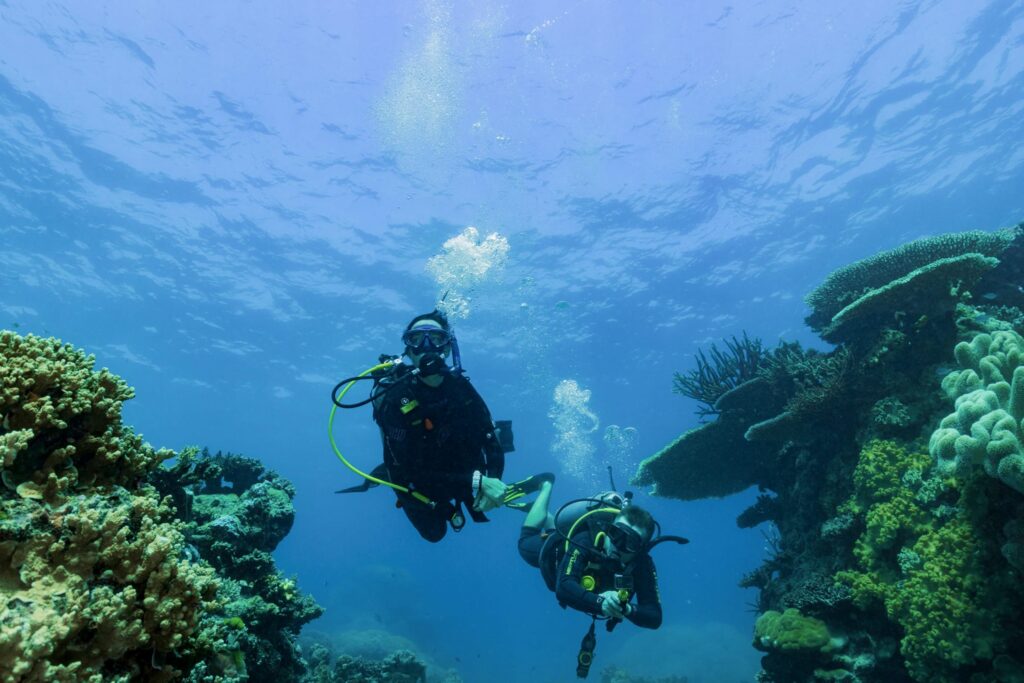
If you scuba dive, the Great Barrier Reef opens up another level of exploration.
I’ve experienced both day-trip diving and liveaboard diving, and they’re very different experiences.
Scuba diving on a day trip
A day trip is ideal if you only have a limited amount of time or you’re travelling with people who don’t dive.
You’ll generally travel out to the reef, complete your dives and return to shore the same day.
It’s a great way to experience the reef without committing several days to a boat.
Check availability to discover diving on the outer reef from Cairns. Suitable for non-divers too.
Best for: first-time visitors, divers with limited time and groups with both divers and non-divers.
Diving from a liveaboard
If you’re serious about diving, a liveaboard is a completely different experience.
Instead of spending part of each day travelling between the coast and the reef, you live on the boat and can spend several days exploring different dive sites.
You can fit in multiple dives and experience the reef at different times of day.
I did a 4-day, 3-night overnight dive trip with Cairns Pro-dive and completed my PADI Advanced Dive Certificate at the same time. It was awesome. We completed 10 dives on the trip. Believe me, diving at night on the reef is entirely different to the day. We were privileged to see a turtle sleeping under a coral bommie.
For me, the appeal of a liveaboard is simple: more time underwater and less time travelling back and forth.
Check availability for a 3-day, 2-night diving adventure with Pro-dive.
Can’t SCUBA. The Great Barrier Reef is the perfect place to learn!
Check availability to learn to dive with 3-day, 2-night live aboard.
Before you book, you need at least 24 hours between your last dive before you fly.
Best for: experienced divers and people who want to make diving the main focus of their reef trip.
Spend the day on a Great Barrier Reef pontoon
If you’re travelling with a mixed group, a pontoon can solve a lot of problems.
One person can snorkel, another can scuba dive, someone else can take a glass-bottom boat or semi-submersible, while another person can stay dry and simply enjoy being out on the reef.
It’s also a good choice if you’re travelling with children or people who aren’t confident swimmers.
Rather than having to commit to one activity, you can experience the reef in several different ways from the same location.
Check availability for a pontoon reef experience.
See the Great Barrier Reef without getting wet
You don’t have to snorkel or dive to appreciate the Great Barrier Reef.
If you’re not comfortable in the water, or simply want to give your body a break, there are several ways to see what’s happening beneath the surface.
Glass-bottom boats
Glass-bottom boats let you look down through viewing panels in the hull and see the coral and marine life without getting wet.
They’re particularly useful for families with young children, non-swimmers or anyone who wants to experience the reef without committing to snorkelling.
Semi-submersibles
Semi-submersibles take you below the surface while you remain inside the vessel.
This can give you a much closer view of the reef than simply looking through the glass-bottom of a boat.
Underwater observatories
Some reef pontoons have underwater viewing areas where you can sit below the surface and watch the reef from inside.
Scenic flights
Seeing the Great Barrier Reef from above gives you an entirely different perspective.
From the air, you can appreciate the enormous scale of the reef system, with turquoise water, coral formations, sand cays and individual reefs stretching across the ocean.
Compare different scenic flights – by plane or helicopter.
Visit a Great Barrier Reef island
Island trips are another way to combine the reef with a tropical Queensland escape.
Green Island
Green Island is close to Cairns and combines rainforest, beaches and access to the reef.
It’s a good option if you want to experience the reef but don’t necessarily want to spend an entire day on an offshore boat.
Compare options to visit Green Island.
Fitzroy Island
Fitzroy Island offers a combination of rainforest, walking tracks, beaches and opportunities to snorkel.
It’s particularly appealing if some people in your group want to snorkel while others would rather explore the island.
Check availability for a day on Fitzroy Island for snorkelling and hiking.
Island trips and outer reef trips aren’t necessarily competing experiences. They’re simply different ways to experience the Great Barrier Reef.
Sleep on the Great Barrier Reef
Now for one of the most unusual ways to experience the reef.
You can actually sleep out on the Great Barrier Reef.
Reefsleep at Hardy Reef in the Whitsundays allows visitors to spend the night on the reef, while Reefsuites take the experience to another level with underwater accommodation.
This is one Great Barrier Reef experience I haven’t done yet — but it looks incredible and is firmly on my wish list.
Imagine watching the reef during the day, seeing the crowds disappear in the afternoon and then waking up surrounded by the Great Barrier Reef.
If you want something much more memorable than a standard day trip, this would be hard to beat.
Check availability for a reef-sleep experience. You won’t regret it.
What will I see on the Great Barrier Reef?
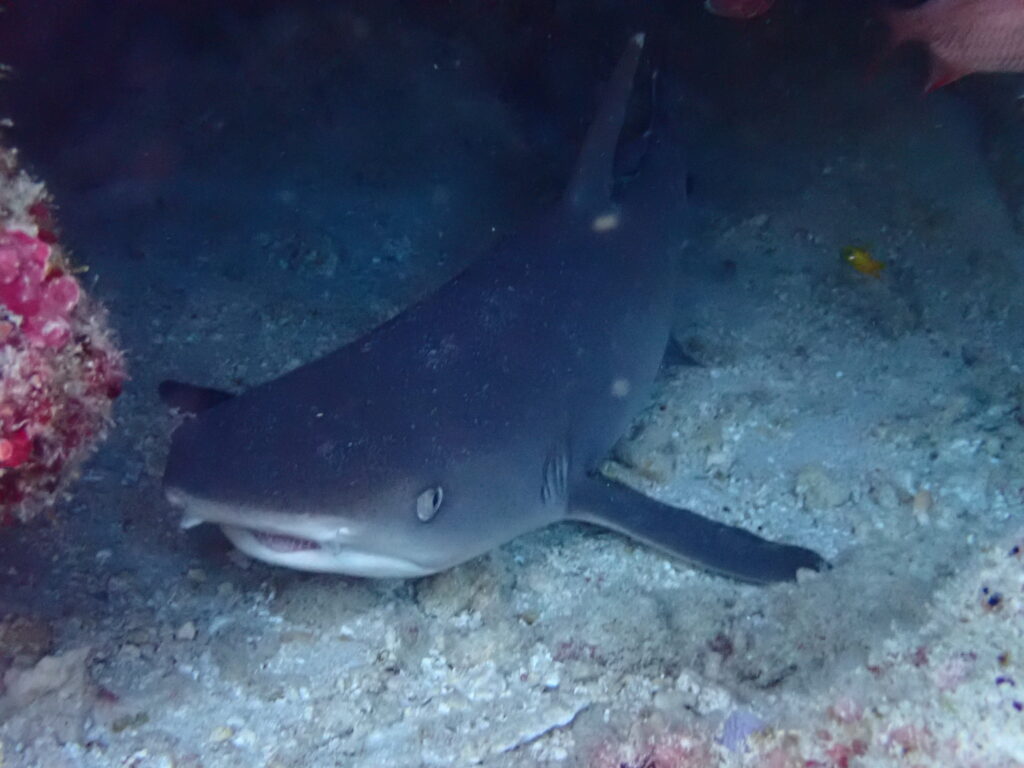
This is the bit everyone is excited about.
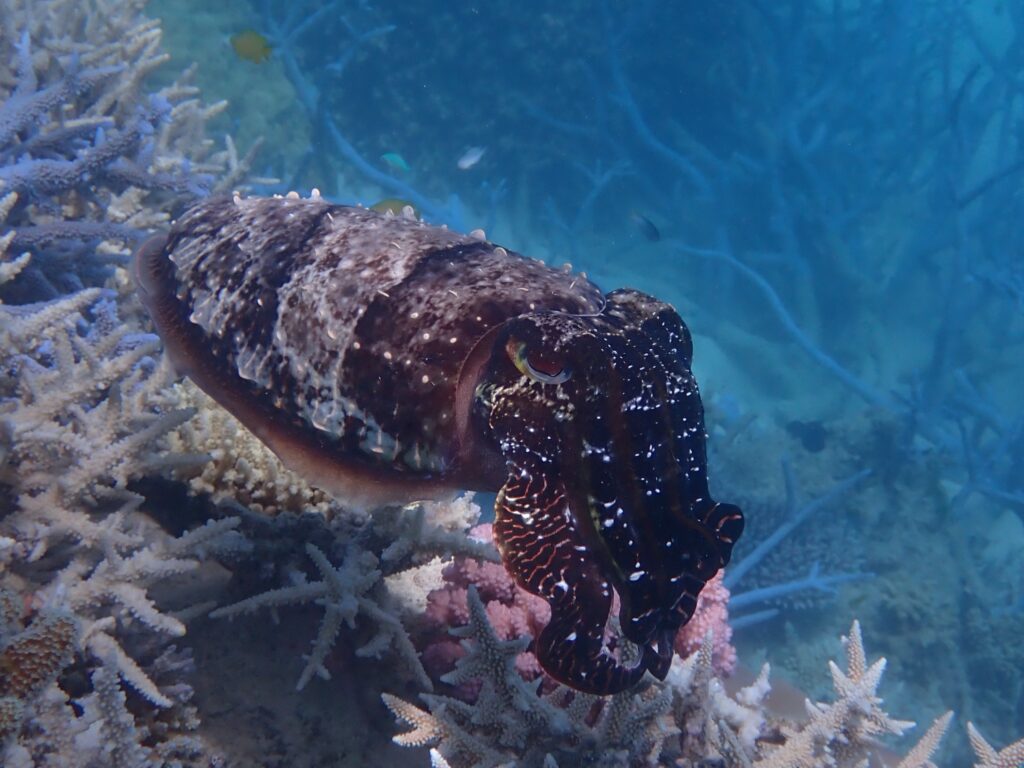
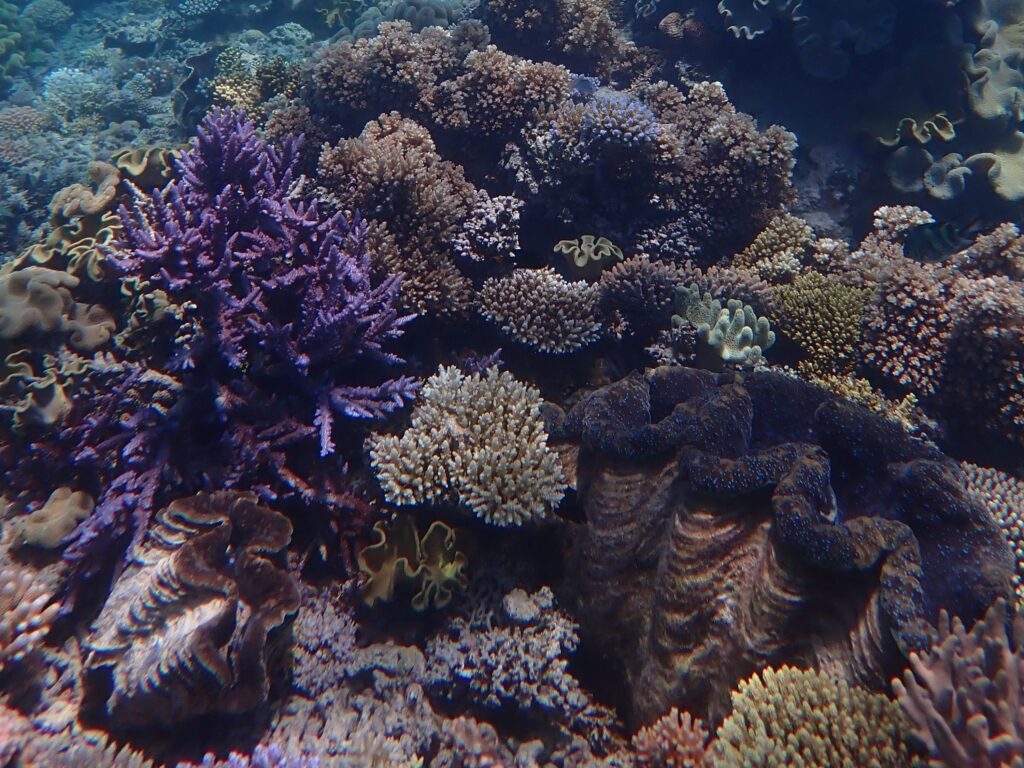
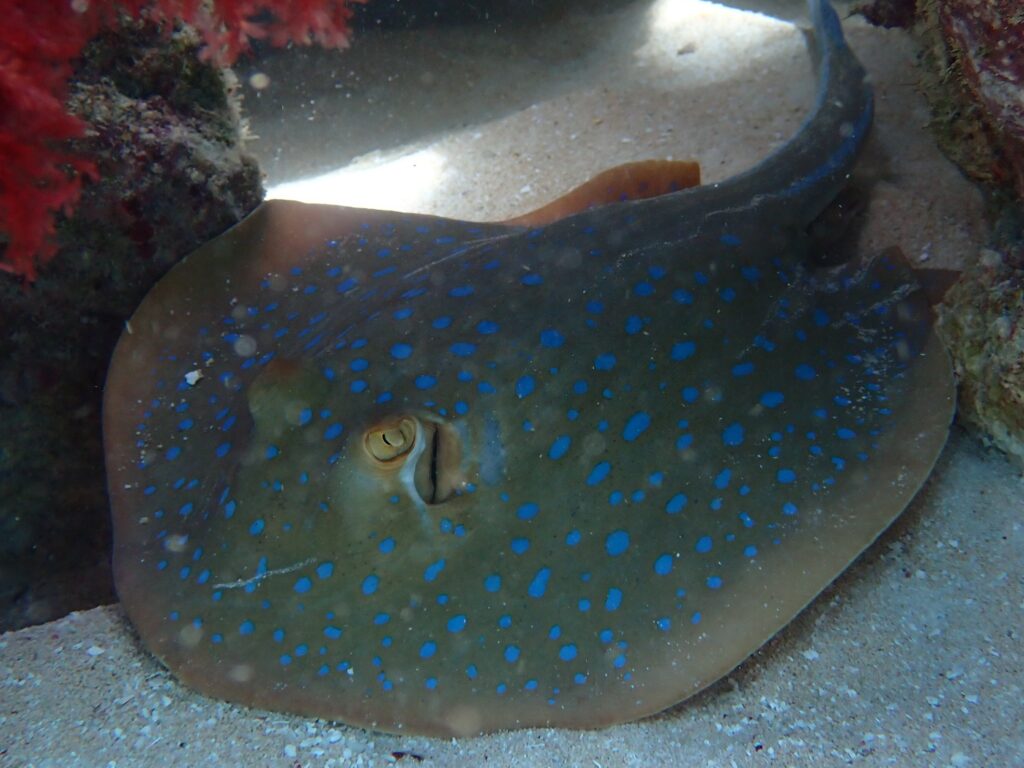
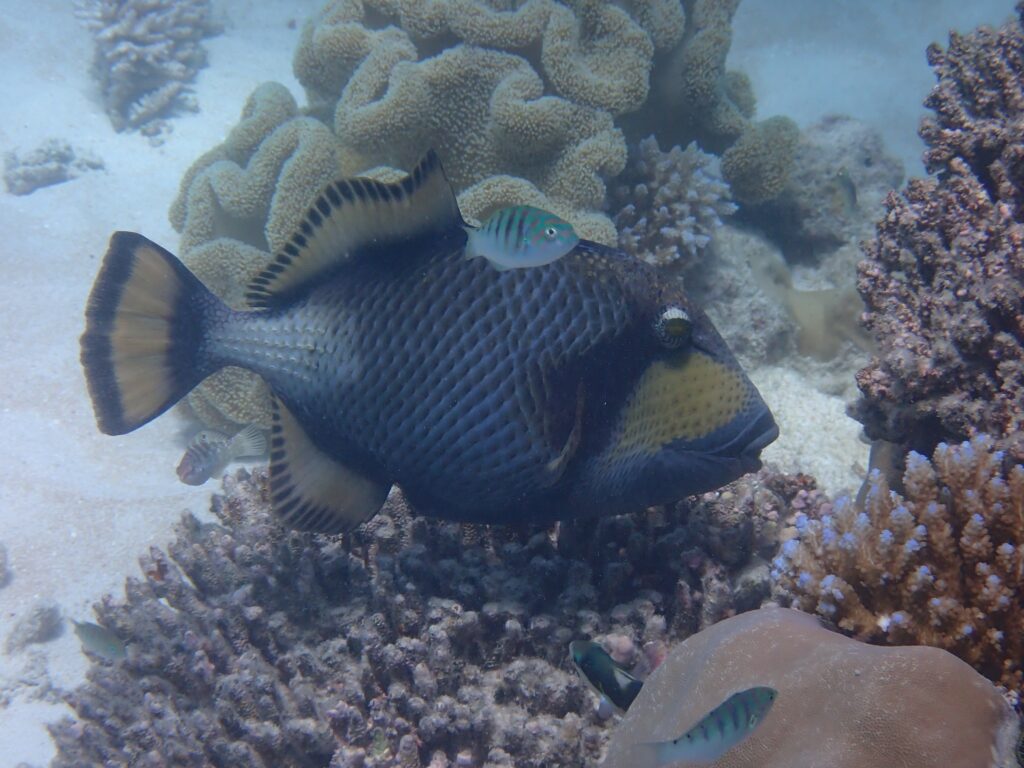
You could see colourful reef fish, turtles, rays, reef sharks, giant clams, anemones and an incredible variety of coral.
But remember: the reef isn’t an aquarium.
You aren’t guaranteed to see a particular animal. One trip might produce an unforgettable turtle encounter, while another might have you searching an anemone for Nemo.
Will I see Nemo?
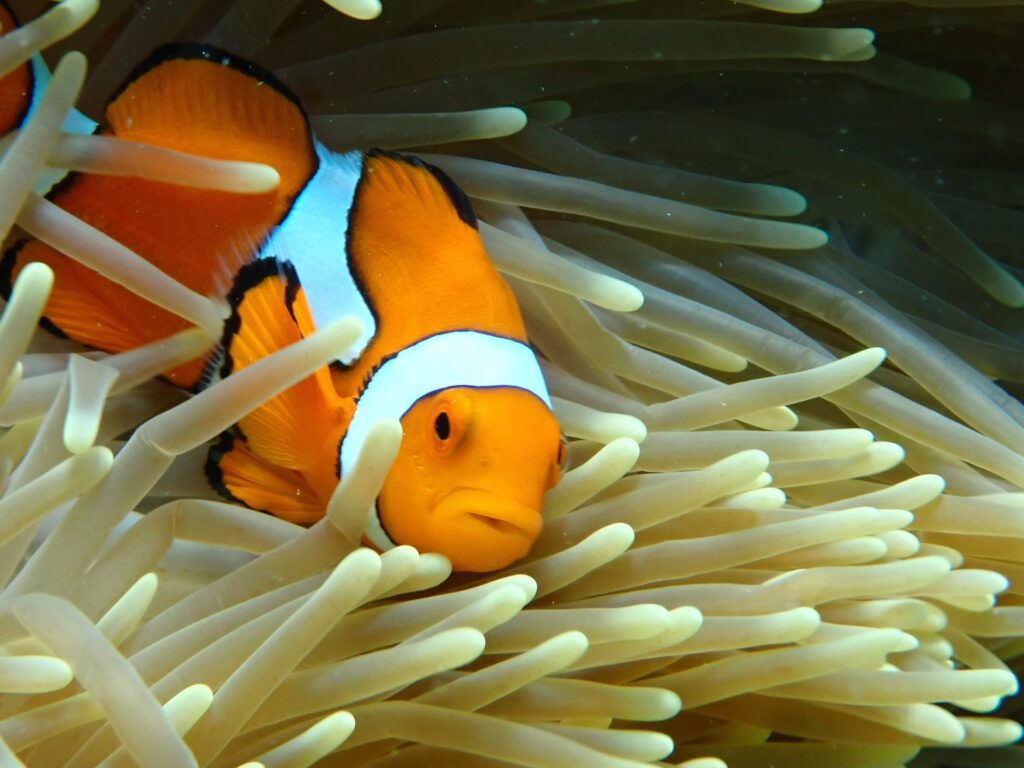
Quite possibly!
Nemo is a clownfish, and clownfish live among the tentacles of sea anemones.
Finding a clownfish hiding in an anemone is one of those little reef moments that gets kids — and plenty of adults — ridiculously excited.
You might also see plenty of other characters from Finding Nemo and Finding Dory, although the real reef isn’t going to provide a perfectly choreographed Disney cast.
Keep an eye out for:
- Clownfish — Nemo
- Surgeonfish — Dory’s relatives
- Green and hawksbill turtles
- Parrotfish
- Butterflyfish
- Angelfish
- Pufferfish
- Giant clams
- Reef sharks
- Stingrays and eagle rays
- Colourful corals and anemones
Don’t just look — listen
The reef isn’t just something you see. It’s something you hear.
If you float quietly above the reef, you may hear the surprisingly loud crunch of parrotfish munching on coral.
And if you’re lucky, you may even hear whales while you’re out on the water.
There is something incredibly special about floating above a living reef and suddenly realising you’re hearing the marine life around you.
When is the best time to visit the Great Barrier Reef?
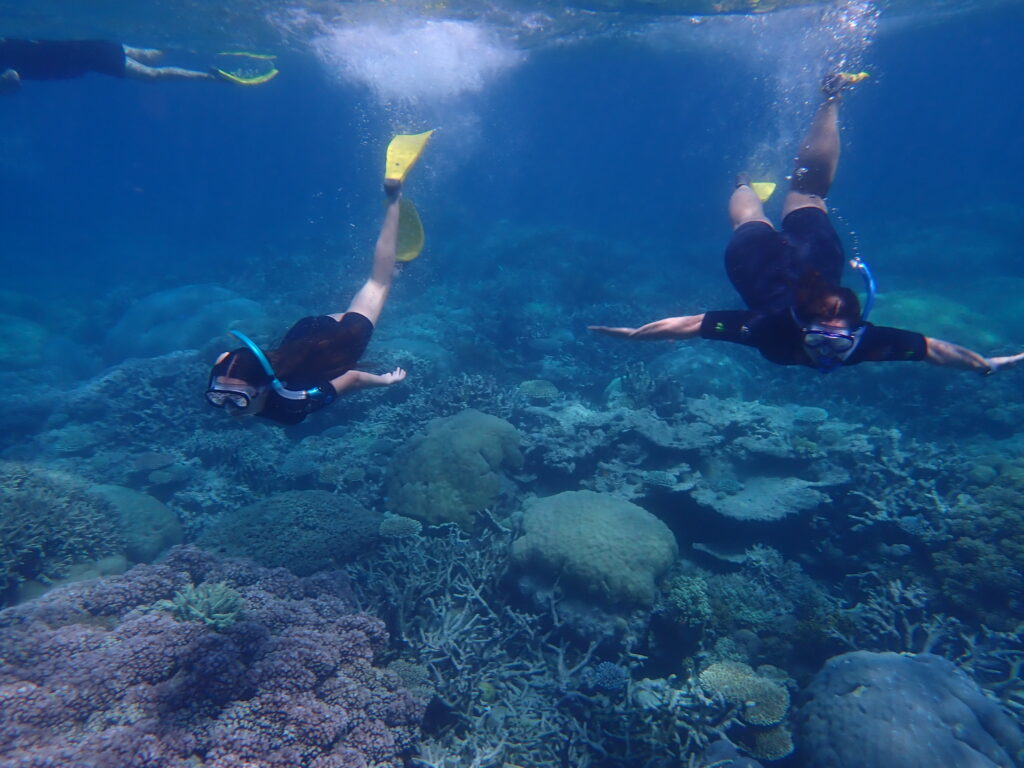
The Great Barrier Reef can be visited year-round, but conditions can make a big difference to your experience.
If water clarity is your priority, the cooler, drier months are often a particularly good time to consider.
My guide to the Best Time to Visit Far North Queensland provides month-by-month temperature, water temperature and rainfall to help you decide the best time for you.
But I wouldn’t nominate one single “best month”. Reef conditions depend on wind, waves, rainfall and the conditions on the day.
Wind matters more when you’re snorkelling
Wind can make a surprisingly big difference to a snorkelling trip.
A windy day can mean choppy water, more surface movement and a much less enjoyable time in the water. Even when underwater visibility is reasonable, constantly fighting the surface chop can take away from the experience.
Scuba diving is different.
Once you’re underwater, surface conditions don’t necessarily have the same impact. A windy day can make the boat ride rougher, but once you’re below the surface, the reef can still be fantastic.
So don’t assume a day that’s disappointing for snorkelling will necessarily be a bad diving day.
What about water temperature?
The water is tropical, but that doesn’t mean you can’t get cold.
After spending several hours swimming, you can feel surprisingly chilly — particularly when you’re wet and sitting in the wind on the boat.
Wear your stinger suit and consider a rash vest underneath if you’re prone to feeling cold.
What about stingers?
Marine stingers are a consideration in tropical Queensland, particularly during the warmer months.
Many reef operators provide or recommend stinger suits, which provide a physical barrier between your skin and jellyfish tentacles while also giving you some protection from the sun.
Follow the advice of your tour operator and local authorities about swimming conditions.
What should I take to the Great Barrier Reef?
You don’t need to take a huge amount. Most reef trips provide the main snorkelling equipment, but there are a few things I wouldn’t leave behind.
Reef-safe sunscreen
You’ll spend a lot of time exposed to the tropical sun, whether you’re on a boat, snorkelling or sitting on an island.
Choose a sunscreen designed with the marine environment in mind and apply it before you leave. Sunscreen ingredients can enter the marine environment when we swim, so choosing a reef-conscious product is one simple way to reduce your impact.
Better still, don’t rely on sunscreen alone.
A rash vest, stinger suit, hat and shade can reduce the amount of sunscreen you need to use.
Stinger suit
Don’t be surprised when you’re handed a stinger suit before getting into the water.
They’re not just for people who are worried about jellyfish. They’re standard equipment on many reef trips during the warmer months.
Other things to pack
- Swimsuit
- Towel
- Hat
- Sunglasses
- Reef-conscious sunscreen
- Rash vest
- Dry change of clothes
- Reusable water bottle
- Waterproof phone case or dry bag
- Any medication you need
- Seasickness medication if you’re prone to motion sickness
What if I wear prescription glasses?
Don’t let prescription glasses put you off snorkelling.
Many reef operators have prescription snorkelling masks available.
When Sam snorkelled, there were several different prescription strengths available to try in the masks, so she could find one that worked for her.
They aren’t necessarily going to match your everyday glasses prescription exactly, but they can make a huge difference to being able to see the reef clearly.
If you wear glasses, check with your operator before booking to find out whether prescription masks are available and whether they have a range of strengths.
What about seasickness?
Don’t assume you won’t get seasick just because you’re normally fine in a car.
Reef trips can involve several hours on the ocean, and conditions can be much rougher than you expect.
If you’re prone to motion sickness, prepare before you board rather than waiting until you feel sick.
Read my guide to How to Avoid Seasickness for practical tips on preparing for a boat trip.
Should I take a camera?
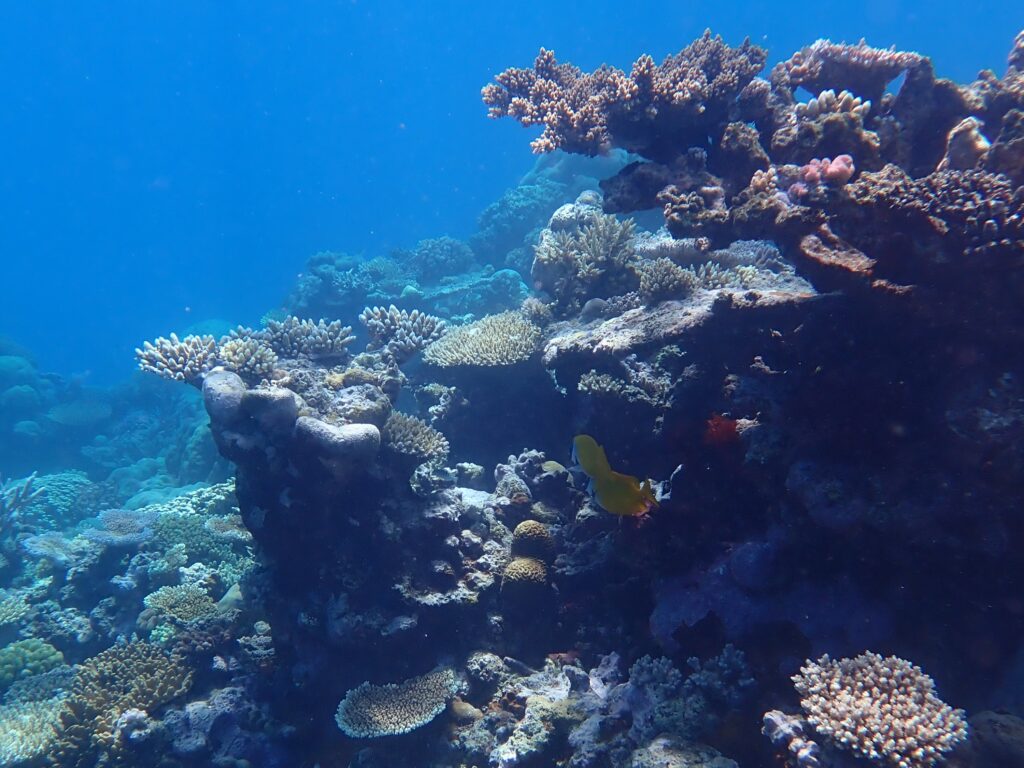
Of course you’re going to want photos of your reef experience.
An underwater camera housing or waterproof phone pouch can work well, but make sure it’s properly secured to your wrist or yourself before getting into the water.
The last thing you want is to watch your phone or camera sink into the Great Barrier Reef!
Many reef operators also have professional photographers on board. If your trip offers a photo package, it can be worth taking advantage of it.
But here’s my biggest piece of advice:
Don’t spend the whole reef trip looking through a camera.
Take some photos. You’ll want the memories.
Then put the camera away.
Look around. Listen to the parrotfish crunching coral. Watch the fish weaving through the reef. Look for Nemo. Keep an eye out for a turtle.
And if you’re lucky enough to hear whales, stop and take it all in.
You can buy a photo later. You can’t recreate the moment you were actually there.
Look, don’t touch
One of the most important rules when snorkelling or diving on the Great Barrier Reef is never stand on the coral.
You’re not only damaging the reef — you can hurt yourself too.
Coral can be surprisingly sharp and can cut or scrape your skin. Even a small wound can become irritated or infected, and contact with coral and marine organisms can make a seemingly minor injury much more troublesome.
If you’re not a confident swimmer, use a pool noodle, flotation device or life jacket rather than putting your feet down.
Your snorkelling guide can help you stay safely above the reef.
And remember, you don’t need to go deep to see beautiful coral. Some spectacular coral gardens are found in relatively shallow water, where plenty of sunlight reaches the reef.
Your feet don’t need to touch the reef to experience it.
Never stand on, kick or deliberately touch coral, and don’t touch or chase marine life.
The reef can hurt you, and you can hurt the reef — so look, don’t touch.
Accessibility: the reef isn’t just for people who can walk
Being in a wheelchair doesn’t mean you can’t swim, snorkel or experience the Great Barrier Reef.
I remember an ocean swim where a lady with no legs competed. She was allowed to start at the water edge, whilst everyone else had to sprint down the beach to the water. Once in the water, she was faster than me!
It’s a reminder that you can’t assume someone’s abilities from how they get around on land.
Someone who uses a wheelchair may be a perfectly capable swimmer. Someone with limited mobility may be completely comfortable in the water. What matters is finding the experience that works with their abilities and the assistance they need.
Getting into the water is only half the question
If you use a wheelchair, or have mobility limitations, don’t just ask an operator, “Can I get into the water?”
Ask “How will I get out?”
Getting into the water and getting out of the water onto the boat are two entirely different challenges. Before booking, as about:
- Step-free access onto the vessel
- Ramps, lifts or transfer equipment
- Crew assistance with transfers
- How you’ll enter and exit the water
- Whether the equipment can be used for both entry and exit
- Where your wheelchair will stay whilst you are in the water
- Accessible toilets and facilities
- Whether the crew have experience assisting people with similar needs
A pontoon may provide a stable base and have several ways to experience the reef, but accessibility varies between vessels and facilities. Don’t assume every pontoon and reef trip is accessible.
The goal isn’t to decide whether someone can experience the reef. It’s to find the right way for them to experience it.
Which Great Barrier Reef experience is right for you?
There isn’t one best way to experience the Great Barrier Reef.
The right choice depends on your swimming ability, who you’re travelling with, how much time you have and what you actually want to do.
| If you want… | Consider… |
|---|---|
| The classic reef experience | Outer reef snorkelling |
| To snorkel without diving | Reef day trip |
| To snorkel with extra assistance | Assisted snorkelling |
| Reef + island time | Green Island or Fitzroy Island |
| A family-friendly experience | Pontoon |
| A good option for weaker swimmers | Pontoon + flotation aids |
| Lots of time underwater | Liveaboard |
| To scuba dive without staying overnight | Day-trip diving |
| To see the reef without swimming | Glass-bottom boat or semi-submersible |
| To see the reef from below without getting wet | Underwater observatory |
| A bird’s-eye view | Scenic flight |
| Something completely unforgettable | Sleep on the reef |
How long do you need?
Your available time will also help determine the best experience.
Half a day: An island or shorter reef experience may work.
One full day: An outer reef day trip gives you plenty of time to snorkel, dive or combine several activities.
Several days: A liveaboard gives divers the opportunity to explore more reef sites and fit in multiple dives.
Overnight: Sleeping on the reef is the ultimate immersive experience.
What happens if the weather is bad?
Reef trips are weather-dependent, and conditions can change quickly.
Operators make decisions based on weather and sea conditions, and a trip may be altered, postponed or cancelled if conditions aren’t suitable.
This is another reason to check the operator’s cancellation and weather policy before booking.
And remember that bad weather doesn’t affect every reef experience in the same way. Wind and chop can make snorkelling unpleasant, while diving conditions underwater may still be quite good.
Frequently asked questions
Is the Great Barrier Reef worth visiting if I can’t swim?
Yes. You can experience the reef from glass-bottom boats, semi-submersibles and underwater observatories, while many snorkelling trips provide flotation aids. A pontoon can also be a good option because you have a stable base and plenty of ways to experience the reef without swimming.
Do I need to be a strong swimmer to snorkel the Great Barrier Reef?
No, but you should be honest with your operator about your swimming ability. Flotation aids and snorkelling guides can help, and assisted snorkelling is another option on some trips.
Can children snorkel the Great Barrier Reef?
Yes, although age and swimming requirements vary between operators. For younger children or weaker swimmers, a pontoon can be a particularly good choice.
Will I see Nemo?
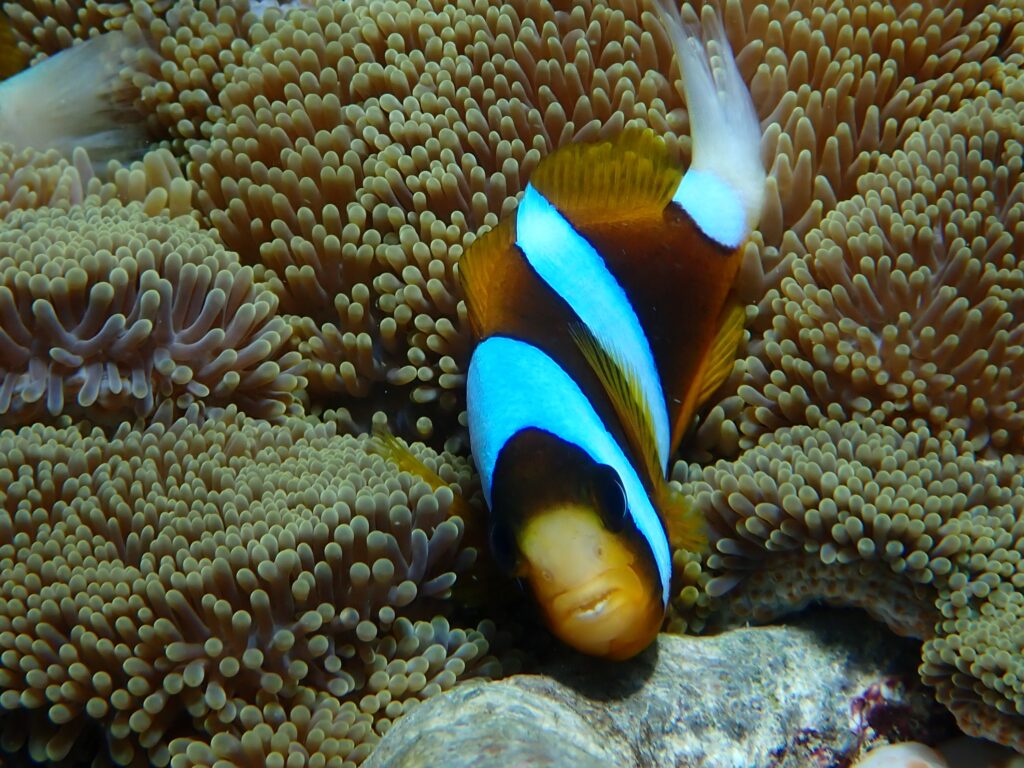
You have a good chance of seeing clownfish, although no wildlife sighting is guaranteed. Look for them living among sea anemones.
Read my guide on Where to See Clownfish (Nemo) in Australia in the Wild for more about clownfish.
Are there sharks on the Great Barrier Reef?
Reef sharks can be seen at some reef sites. They’re generally shy and seeing one while diving or snorkelling can be an exciting part of the experience.
Do I have to wear a stinger suit?
Requirements vary depending on the location, season and operator, but stinger suits are commonly provided or recommended on reef trips.
Will I get cold snorkelling?
You can. Even in tropical water, several hours in the water followed by wind on the boat can leave you cold. A stinger suit and rash vest can help.
Can I snorkel if I wear glasses?
Yes. Some operators provide prescription snorkelling masks, often with several strengths available.
Is snorkelling or scuba diving better?
Neither is inherently better — they’re different experiences. Snorkelling lets you see the reef from above in relatively shallow water, while diving allows you to spend more time underwater and explore deeper sections of the reef.
How much time do I need to experience the Great Barrier Reef?
You can experience the reef in a few hours, but a full-day trip gives you considerably more time. Divers who want to explore multiple sites may prefer a liveaboard, while an overnight reef experience offers something completely different.
The reef is more than a tick on your bucket list
Whether you spend a few hours snorkelling, make multiple dives from a liveaboard, explore the reef from a glass-bottom boat or wake up beside it, the Great Barrier Reef is an experience you’ll remember.
Don’t worry if you’re not the strongest swimmer. Don’t worry if you don’t own an underwater camera. And don’t feel like you have to see everything in one day.
Get in the water. Float above the coral. Listen to the reef. Look for Nemo. Watch for turtles.
And then, every now and again, put the camera away and simply appreciate where you are.
Because the best reef memories aren’t always the ones you bring home in a photograph.