
Your Complete Guide to Cervantes, Western Australia
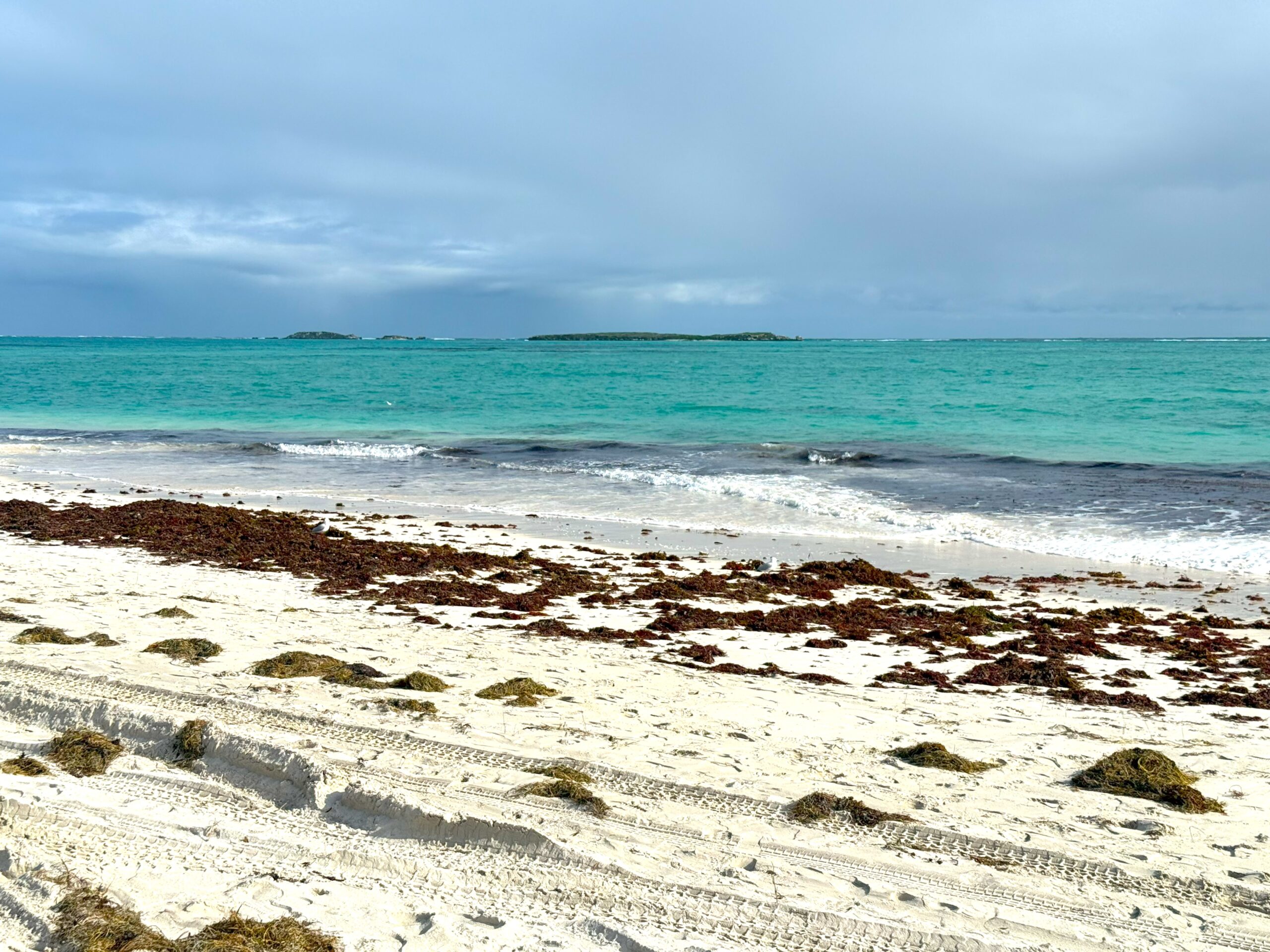
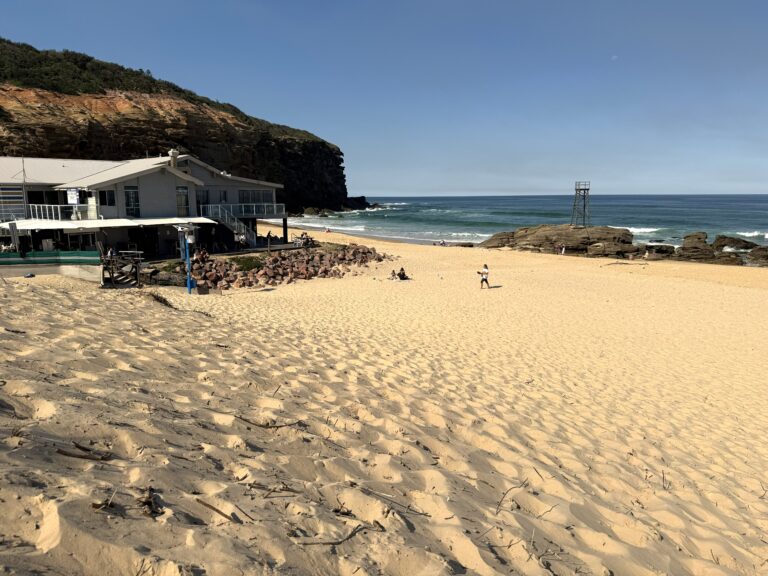
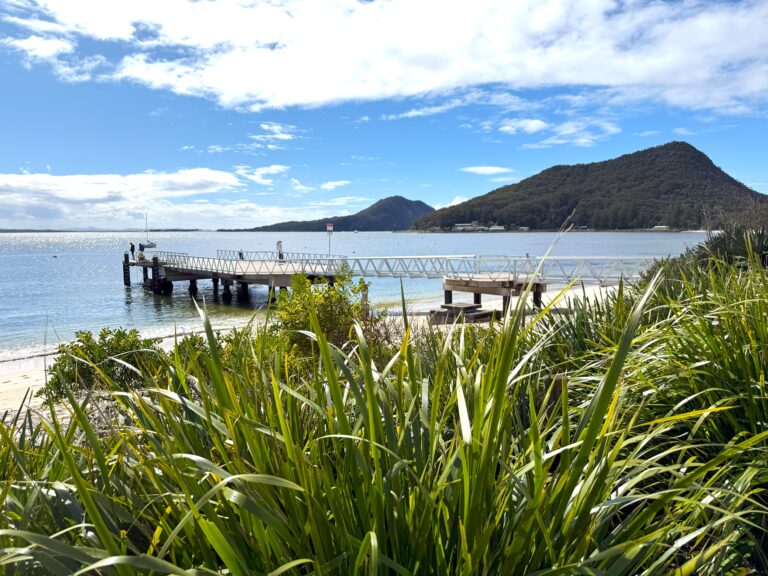
Imagine standing on a quiet beach where the ocean sparkles turquoise, the sand is white and powdery, and otherworldly limestone pinnacles rise from the desert a short drive away. Welcome to Cervantes.
Tucked away along the Western Australia Turquoise Coast, Cervantes is often seen as the gateway to the iconic Pinnacles Desert – but there is so much more than those eerie limestone formations. From fresh lobster straight off the boat to pristine beaches, hidden national parks and surreal landscapes, Cervantes is a haven for nature lovers, road trippers and anyone wanting to escape the crowds. Whether you’re planning a weekend away from Perth or adding it to your West Coast Australia road trip, Your Complete Guide to Cervantes will help you uncover the best things to see, do, eat and experience in and around Cervantes.
I visited Cervantes on a 2-week road trip up the Coral Coast of Western Australia with my family in July and loved its laidback charm. It really is a great place to visit, but probably would be better when the weather is warmer to take full advantage of the beaches.
Some links in this post are affiliate links, which means I may earn a small commission if you choose to make a purchase. It helps support Roam with No Regrets at no extra cost to you — thank you for your support!
Best Time to Visit
Anytime is a great time to visit Cervantes, it all depends what you want to do.
December to February (Summer) is the Australian school holidays. The weather is warm and dry with a strong sea breeze arriving about 11am.
March to May (Autumn) has milder temperatures and gentler winds.
June to August (Winter) is cool with sunny skies and the occasional storm. The crystal-clear ocean is often warmer than on land (I can definitely vouch for that).
September to November (Spring) has mild temperatures and gentle winds. This is when the wildflowers bloom so is a great time to hike the national parks.
How to get there
Cervantes is located 196km north of Perth. It takes approximately 2hrs 15 mins to drive.
Integrity Coach Lines operated IC09 bus to Broome leaves Wellington St, Perth 3 times a week which takes 2 hours 50 mins, dropping you off at the Cervantes Post Office.
TransWA operates a bus service from Transwa Bay, East Perth to Geraldton twice a week which takes approximately 3hrs 15 mins and is slightly cheaper than Integrity Coach Lines.
Where to stay
Cervantes is a tiny town. If you forget anything, there is the service station, otherwise it is a 15minute drive north to Jurien Bay where there is a supermarket. Just be prepared for the highly inflated prices.
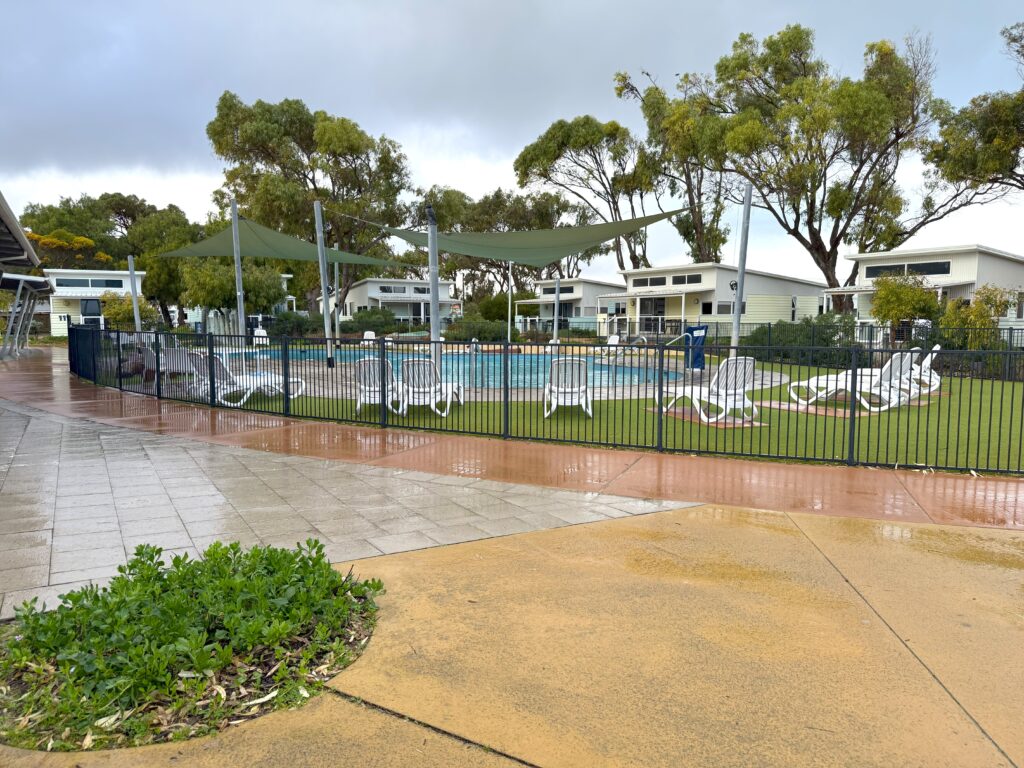
We stayed at the RAC Cervantes Holiday Park. The facilities are amazing. Everything is clean and new, a huge shower block, camp kitchen, laundry facility, games room. They have a gorgeous playground and swimming pool with BBQ facilities.
Other accommodation options include:-
Cervantes Lodge accommodation ranges from deluxe ensuite rooms with ocean views to spacious family rooms with shared facilities. Whether you want a refreshing morning dip or a beach day with the kids, you are amongst our white sands and pristine turquoise waters with just a 5minute stroll,
Cervantes Pinnacles Motel is a 3 star motel with outdoor swimming pool, BBQ facilities and on-site a la carte restaurant and bar.
Things to do
The Pinnacles
Cervantes is the gateway to The Pinnacles in Nambung National Park. The Pinnacles are located 15 minutes south of Cervantes down the Indian Ocean Drive. The amazing limestone structures were formed between 25,000 – 30,000 years ago when the sea receded and left deposits of shells. Over time, coastal winds have removed the surrounding sand, leaving exposed pillars. Some stand as high as 3.5m.
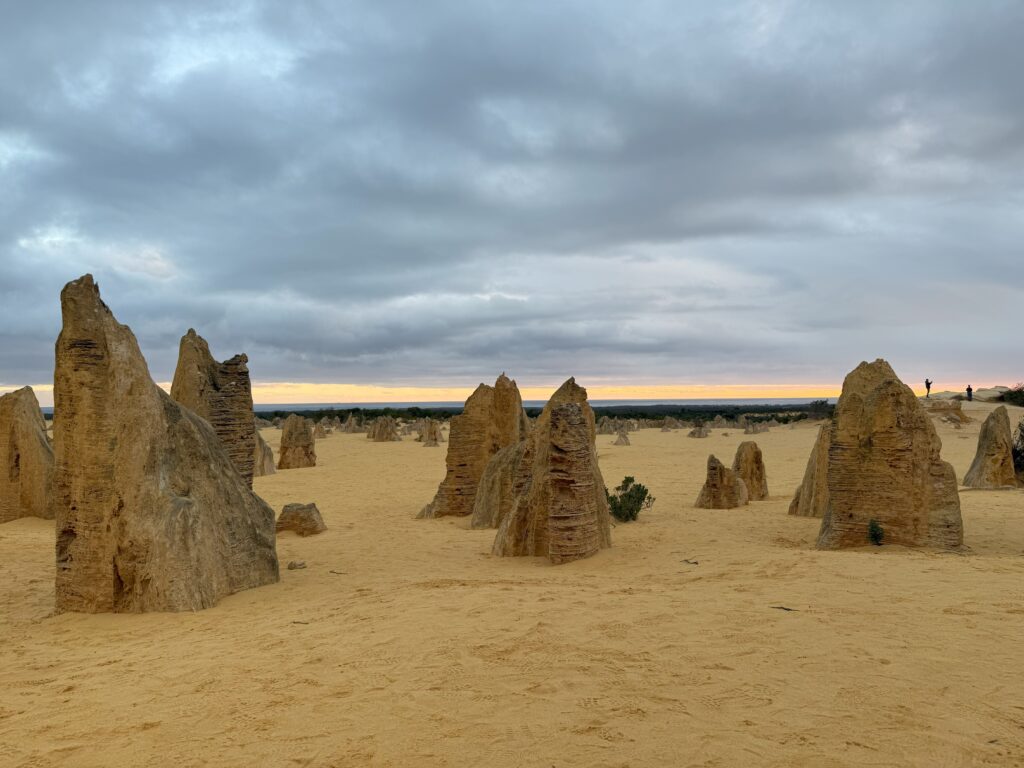
We met up with Lumineer Adventure Tours for a journey through the Pinnacles, sunset dinner and star gazing. The sky was so clear (when the clouds cleared) and we could see the Emu in the Sky lying down in the Milky Way. We also saw constellations through the telescope that you can’t see with the naked eye. So beautiful. We even found emu tracks and my daughters came face to face with a couple of Western Grey Kangaroos. A truly unforgettable way to experience the Pinnacles.
Lobster Shack
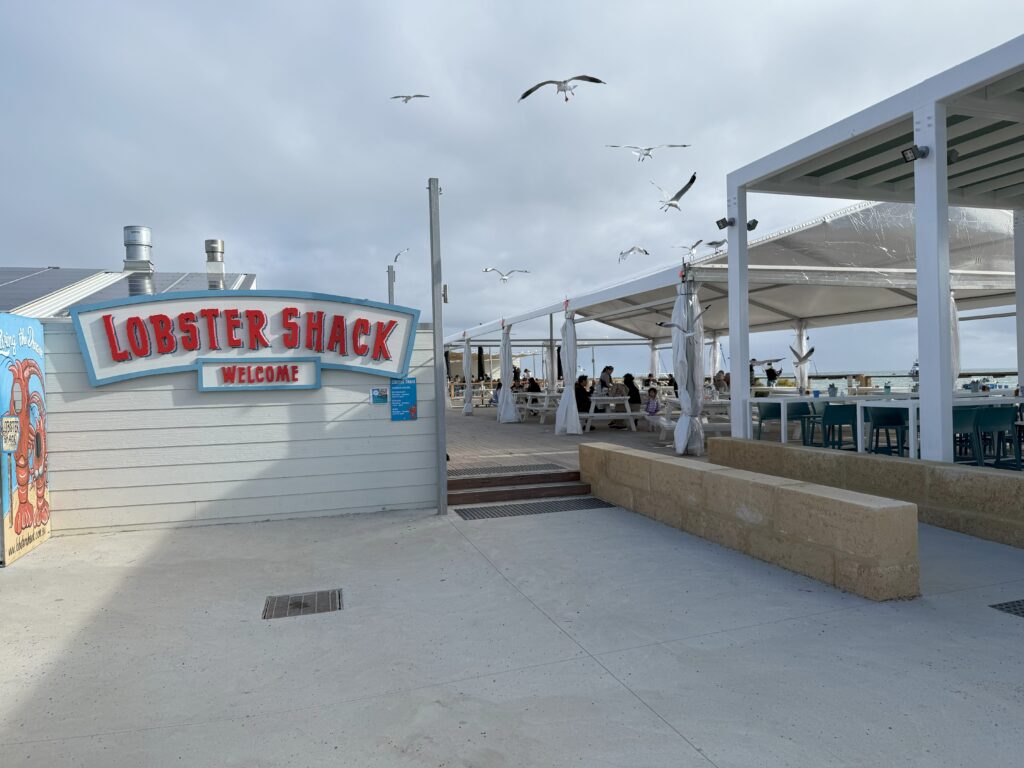
Awarded WA’s best lobster restaurant 2025, The Lobster Shack is not just a seafood restaurant, it’s a pot to plate experience.
Starting at 11am, join the crew as they cruise through the gorgeous Marine Park and into the deep blue Indian Ocean and watch as they pull the lobster pots. Keep your eyes peeled, as the marine park is the playground of the endangered Australian Sea Lion. The tour takes approximately 1hour and booking are essential. Your tour price includes a lobster lunch. Seasickness bands can be purchased at the Shack if you are concerned about getting seasick.
You don’t need to go on a boat tour to enjoy the stunning views of the alfresco balcony as you sit back, relax and enjoy your Western Rock Lobster with a glass of wine or the local Lobster Shack beer.
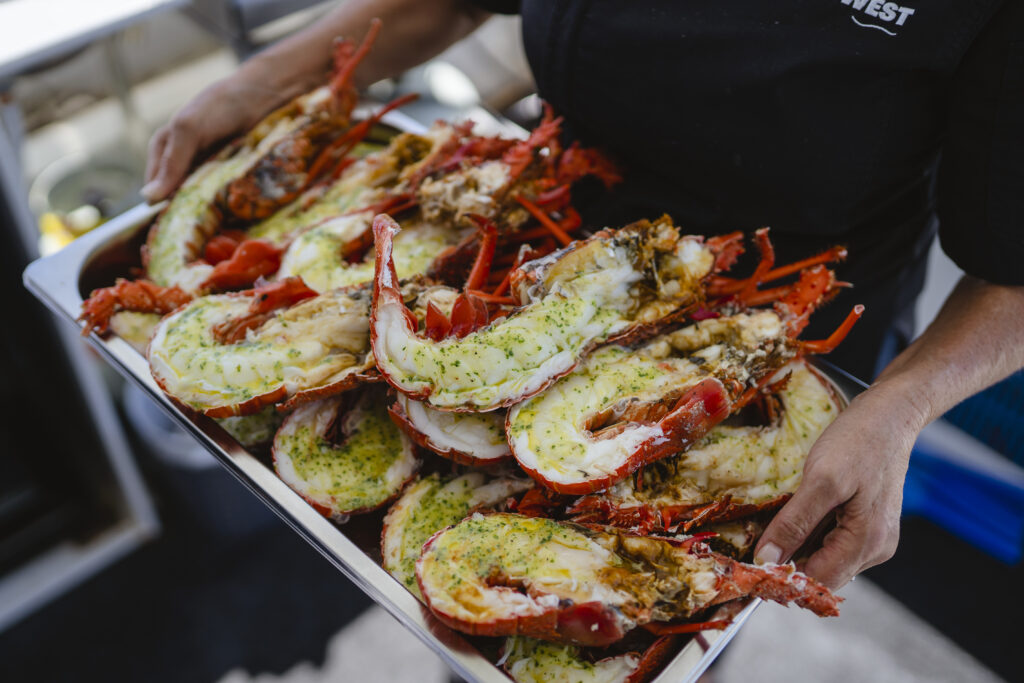
If you want to keep your feet on terra firma, you can still get a firsthand look into the regions multi-million dollar lobster industry by taking a 30min tour of the LIVE lobster processing plant at Lobster Shack.
Starting with a video presentation on the lobster boats, find out firsthand how the elusive Western Rock Lobster is captured in the wild and transported into shore. Then trace the lobsters journey from sorting process to the Live holding lanes before they are then sent into our Live pack out room where they are prepared for their journey to destinations over the world.
Thrombolites at Lake Thetis
The rocks in the hyper-saline waters (double the salinity of the ocean) of Lake Thetis are not quite what they seem. They are actually living things. Lake Thetis is home to Stromatolites, the oldest living lifeforms on our planet believed to originate 3.5 billion years ago. But Lake Thetis is also home of Thrombolites, a close relative of the Stromatolites and believed to be 3000 years old – just a baby. The best time to see them is in summer when it is drier and they become exposed.
Stromatolites are formed through the activity of primitive unicellular organisms: cyanobacteria (blue-green algae) and other algae. These grow through sediment and sand, binding the sedimentary particles together, resulting in successive layers which, over a long period of time, harden to form rock. For at least three-quarters of the earth’s history stromatolites were the main reef building organisms, constructing large masses of calcium carbonate.
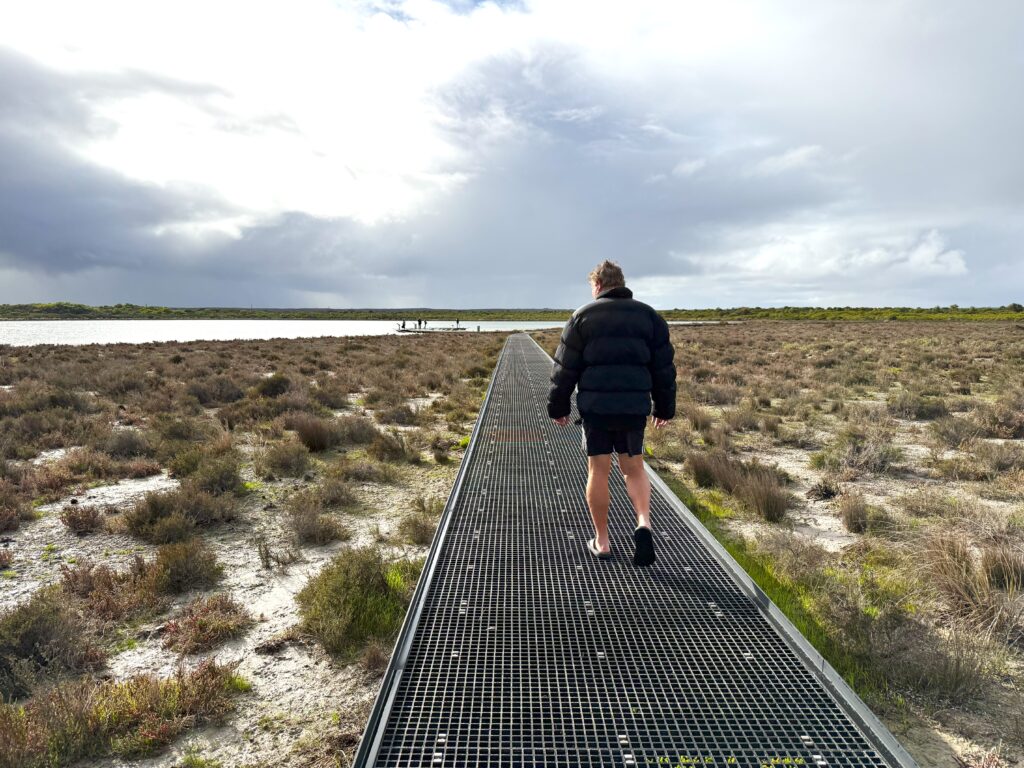
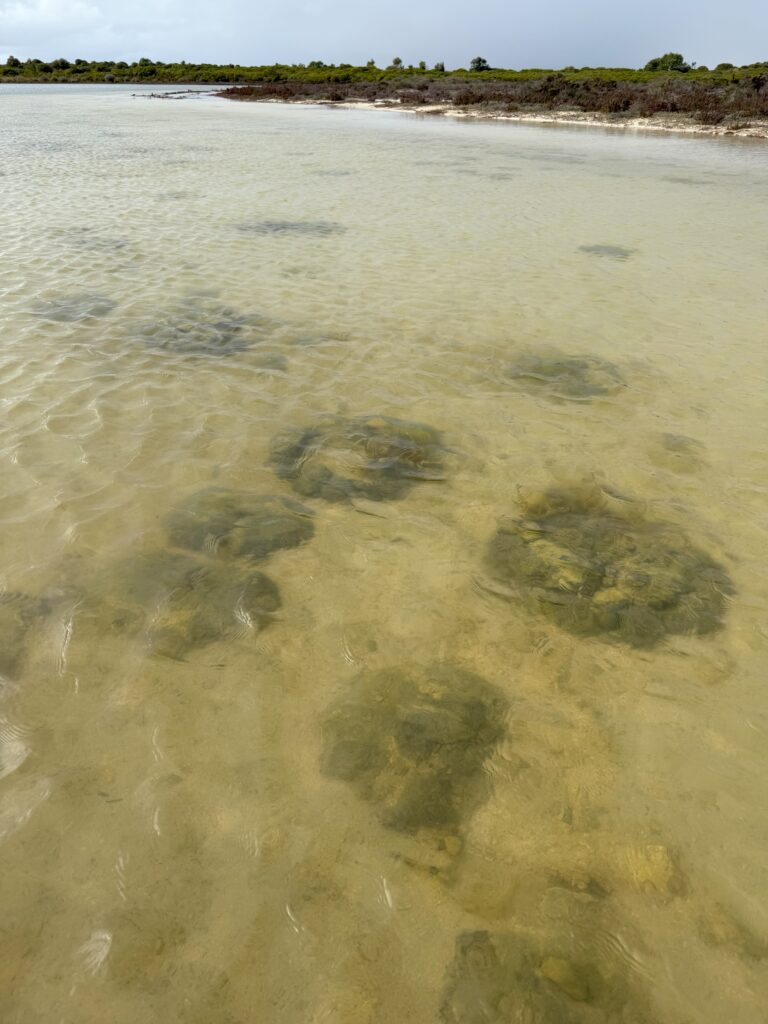
You can discover these living fossils by taking a stroll along a 300m elevated accessible walkway at Lake Thetis, one of only five locations in Western Australia where thrombolites live. There is a 1.5km trail around the lake where you can learn about the local flora, fauna, fossils, geology and local indigenous culture.
Swim at Hangover Bay
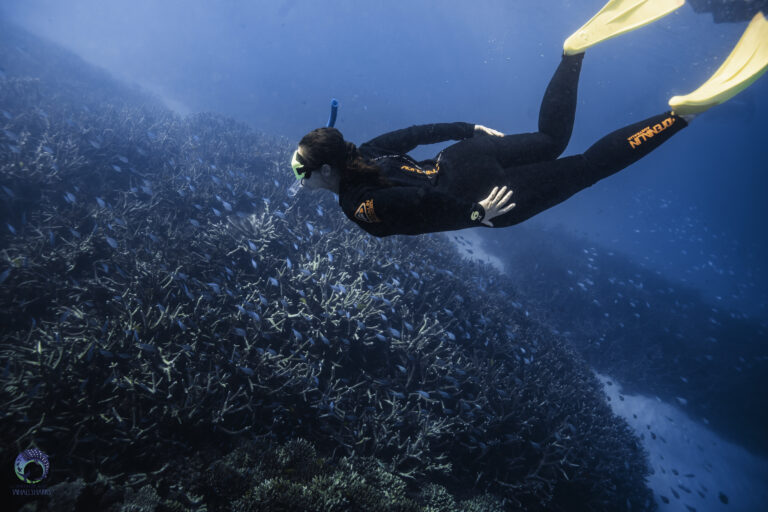
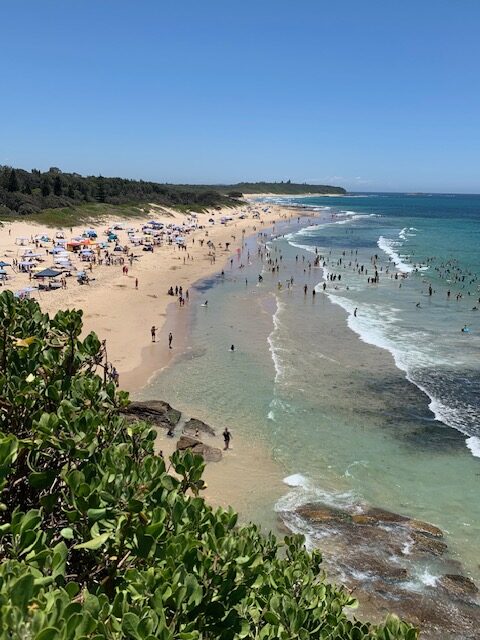
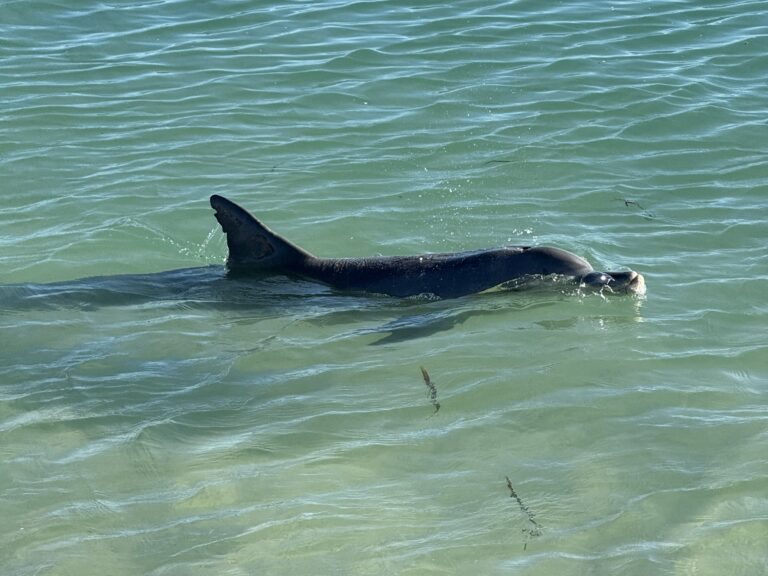
Hangover Bay is located south of Cervantes and is a good for swimming, snorkeling and surfing. Look out for dolphins and sea lions that frequent the area.
Fishing and Snorkelling at Kangaroo Point
Kangaroo Point is located south of Cervantes and is popular for fishing, snorkeling and boating. It is also used by 4WD vehicles as the alternative route from the Indian Ocean Drive between Lancelin to Cervantes. Keep an eye out for kangaroos and emus.
Sunset at Thirsty Point Lookout
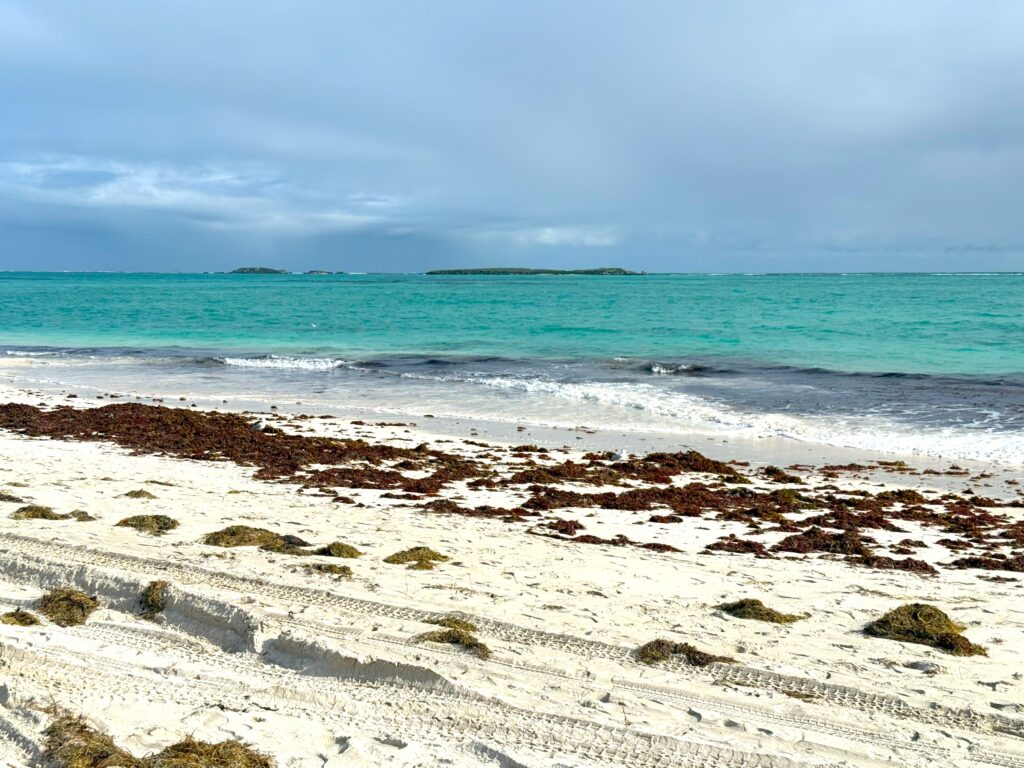
Finish your day with the sand between your toes, watching the sun slide into the Indian Ocean, the sky changing from vibrant blue to shades of orange and purples. As the sun fades and the sky turns dark, lie back and look up at the stars. The sky is so dark here the Milky Way is spectacular. You might also see a shooting star.
Jurien Bay
Just 15 minutes north is the town of Jurien Bay, it’s a bit larger than Cervantes. For things to do in Jurien Bay including swimming with sea lions, go to my post the Ultimate Guide to Jurien Bay
Where to Eat
- Lobster Shack has the best view in town with the freshest lobster, caught locally and processed on the premises.
- Cervantes Bar and Bistro has an Australian restaurant menu.
- The Club Cervantes serves your bistro meals and a good selection of seafood dishes.
- Seashell Cafe located on the beach at the holiday park, serves typical cafe food and beverages. We found the service to be a little low but, really does it matter, we weren’t in a hurry.
- Islands Cafe is located at the service station on the main road into town. Serves pizza, burgers and coffee.
Whether you’re exploring the magical Pinnacles Desert, discovering ancient living creatures, savouring the fresh seafood or simply soaking up the relaxed coastal vibes, Cervantes offers the perfect escape from the everyday hustle.
Ready to experience Cervantes for yourself? Pack your bags, hit the road and let this guide be your go-to travel companion. And if you’ve already been, we’d love to hear your stories or tips – share them in the comments or tag us in your photos on social media. Embrace the journey!
One Comment
Comments are closed.