Wonderful Whale Watching in Port Stephens
Wonderful Whale Watching in Port Stephens is your guide to spotting whales. Where to see them, on land and water, how to get there and where to stay. Plus tips on how to avoid seasickness.
Some links in this post are affiliate links, which means I may earn a small commission if you choose to make a purchase. It helps support Roam with No Regrets at no extra cost to you — thank you for your support!
Awarded Australia’s Best Town for 2025, Port Stephens boasts 26 beaches and a harbour larger than Sydney Harbour. It’s also a place protected by offshore islands and provides calmer waters for whales to have a rest on their annual migration.
Humpback whales travel 10,000kms from their feeding grounds in Antarctica to the breeding grounds in sub-tropical waters. Whales can swim up to 8km/hr but during the migration cruise at an average leisurely 1.6km/hr. This is affectionately known as the humpback highway.
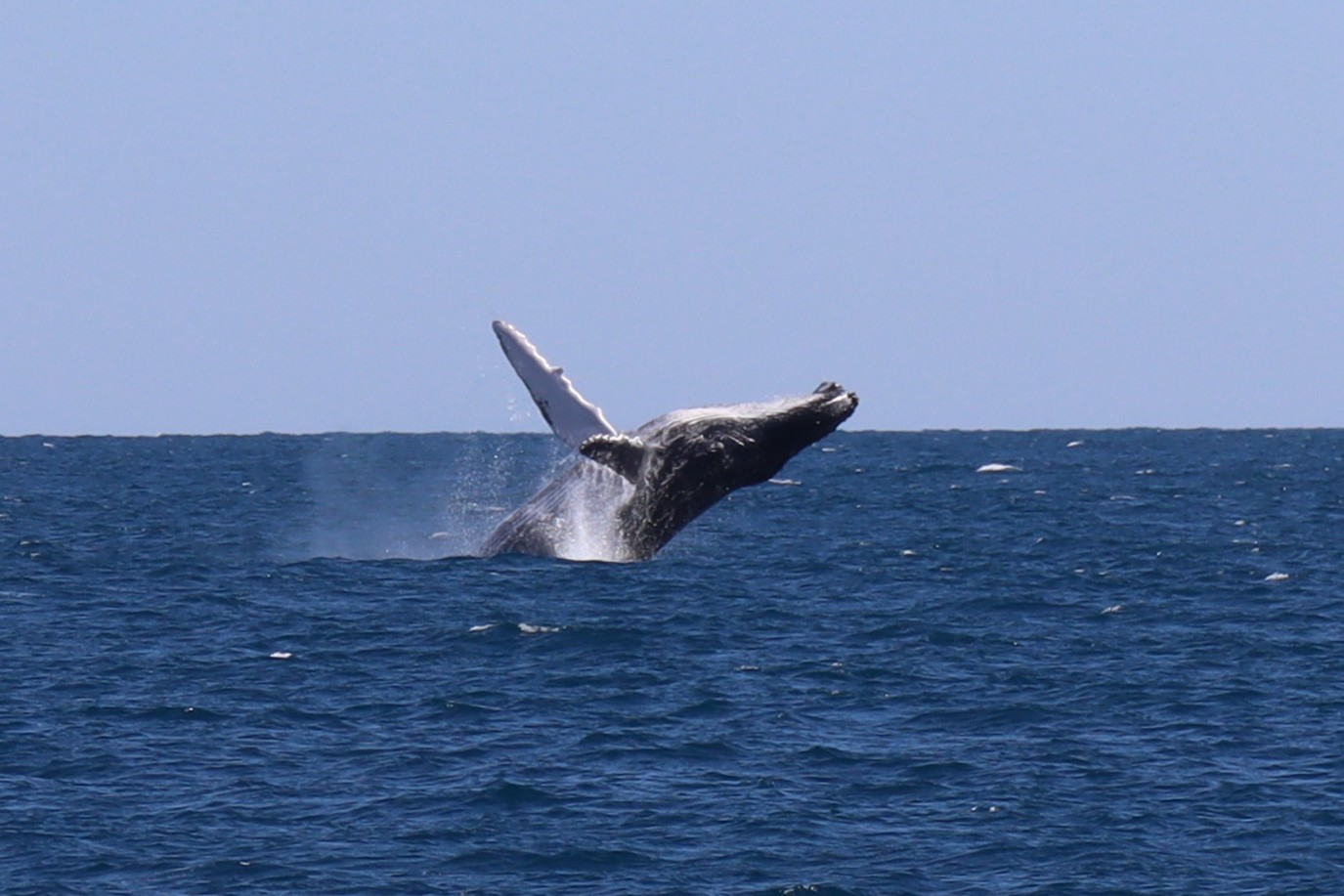
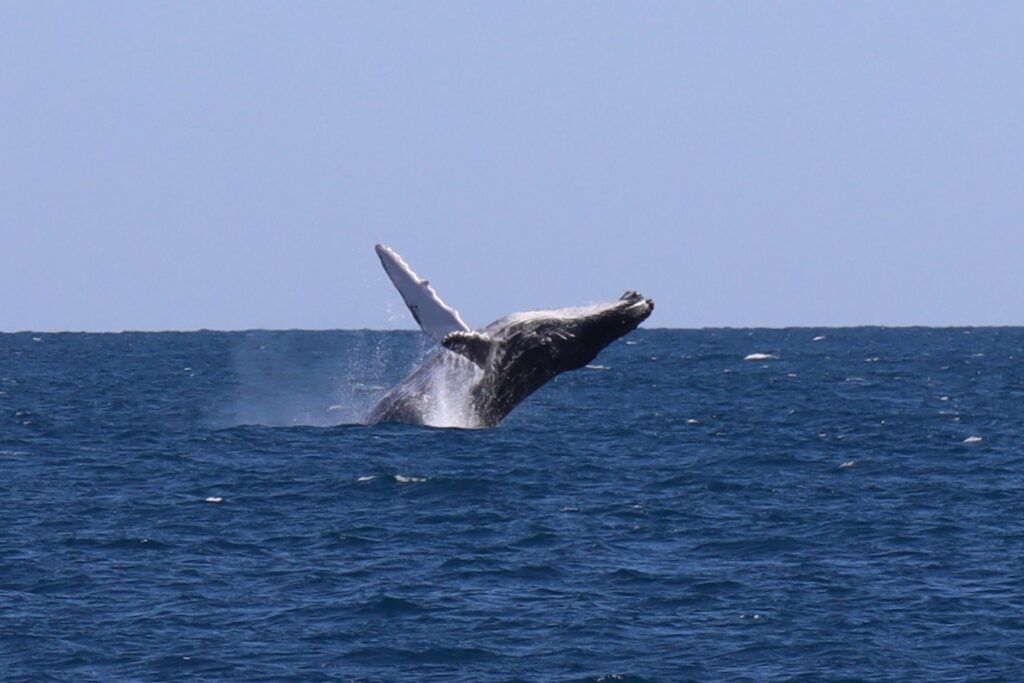
Humpback whales measure 16-17m in length and weigh up to 40 tonnes. That’s a bit bigger than a bus! So, when they breach, that is when they throw their entire body out of the water, in an action of pure joy, it’s truly impressive. Humpback whales can live up to 50 years. They eat krill and small fish and practice the techique called bubble netting where they swim in circles blowing bubbles which compress the krill or fish together, then they will swim up through the bubble net and open their enormous mouths to engulf their meal. Humpback whales can eat 1360kg of krill per day during feeding season.
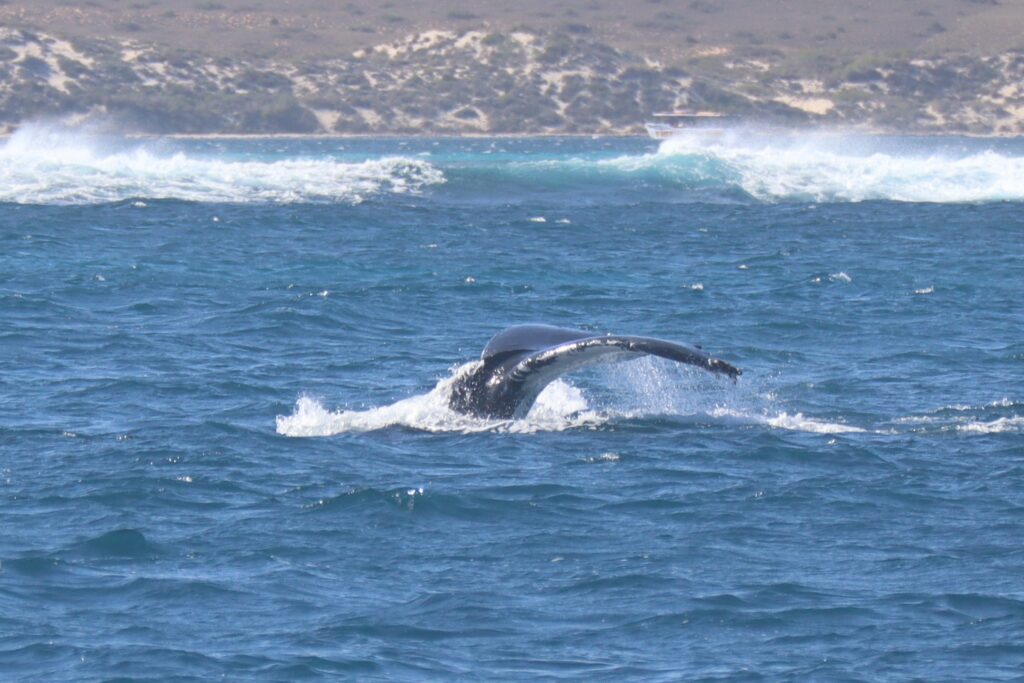
The trip south later in the year is slower as the new mums swim with their 4-5m long, 2 tonne calves. Humpback whales are the most playful whale species. Look out for spouts, spyhops, pectoral slaps, body rolls and if you are lucky, breath-taking breaches where the 40 tonne mammals launch themselves skyward in a display of pure power and joy.
If you are lucky, you might even see Migaloo, the famous white whale.
When do the whales visit?
Humpback whales visit Port Stephens from May to November.
Getting there
Port Stephens is located 2 ½ hour drive north of Sydney or 1 hour drive from Newcastle and a 30 minute drive from Newcastle Airport.
Flying
Newcastle Airport has direct flights from Adelaide, Brisbane, Cairns, Canberra, Gold Coast and Melbourne and Perth. If you fly, make sure you book your taxi, Uber or airport transfer in advance.
Driving from Sydney
When driving from Sydney, head up the M1 to Newcastle and then follow the signs to Port Stephens. Keep an eye out for the dinosaur at Somersby on the motorway.
Driving from Coffs Harbour
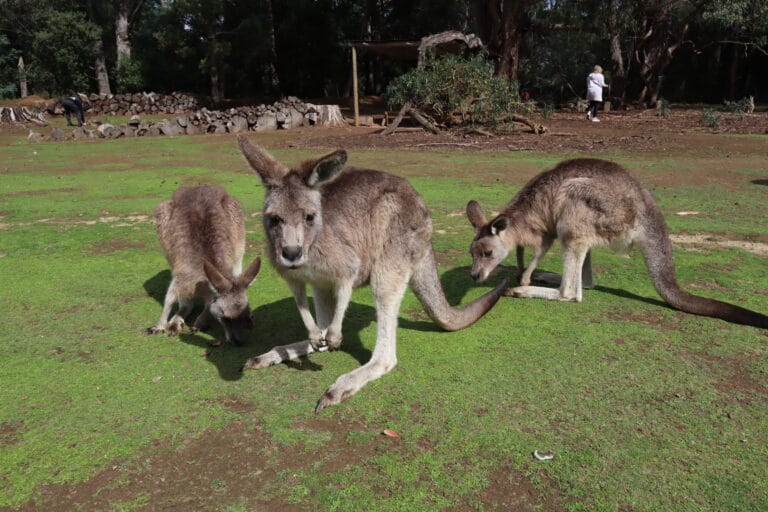
Port Stephens is a 4 hour drive south from Coffs Harbour, follow the M1 south and turn left at Medowie Road, just after the truck weigh station. Follow Medowie Road until you reach Richardson Road where you turn left. If you come through in the late afternoon, you can see kangaroos at the Alexander Park Dressage Club just before you reach the BP. Turn left at the BP and follow Nelson Bay Road until you reach your destination.
Public Transport
Public transport is limited but it is possible to catch a train to Hamilton Station in Newcastle. From there, jump on the 130 bus (Fingal Bay). Trip Planner | transportnsw.info for timetable information.
Where to stay
There are many accommodation options in Port Stephens. Here are some options for different budgets.
Luxurious – Anchorage Port Stephens
Mid range – Oaks Nelson Bay Lure Suites
Budget – Halifax Holiday Park
Whale watching tours
Port Stephens is in the middle of the humpback highway. Winter is the perfect time to go for a cruise to see the gentle giants (May to November).
Cruise on a whale and dolphin watching adventure on Imagine, a 30m catamaran through the stunning scenery of Port Stephens and the outer islands. Along with whales, you also have the chance to see huge pods (100 to a pod) of oceanic dolphins, offshore sea birds and other species of whales including pilot, minke and brydes.
Look up above Cabbage Tree Island to see awesome white bellied sea eagles souring in the breeze. They are easily identified by their wings forming a U shape. With a wing-span of 2.2m and standing height of 90cm, these are impressive creatures are the second biggest bird of prey in Australia behind the wedge tailed eagle.
Land based whale watching
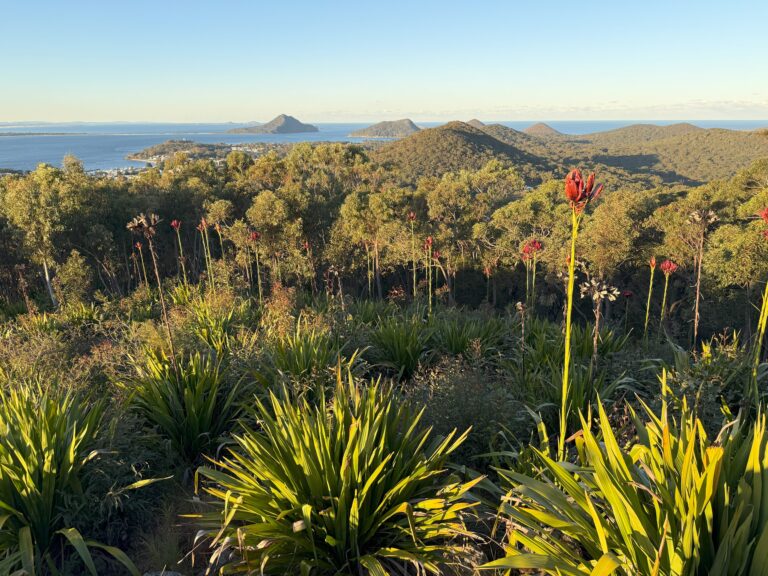
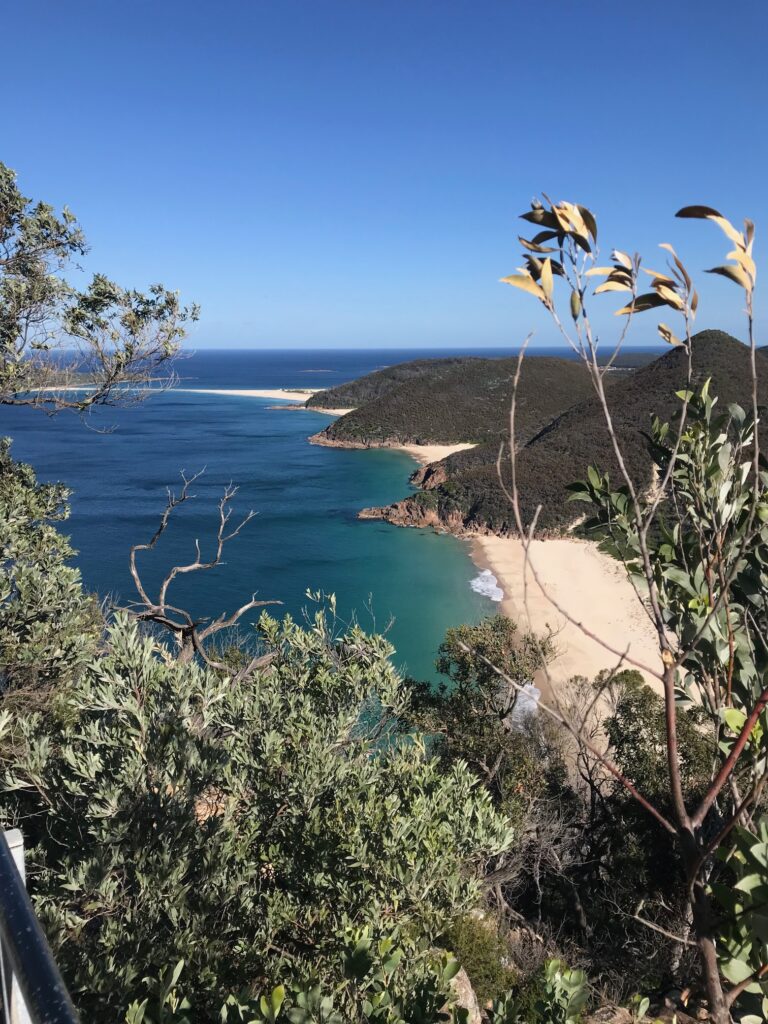
There are lots of great land based vantage points for whale watching. These are my favourites.
- Tomaree Headland
- Boat Harbour Whale Watch Lookout
- Barry Park Lookout, Fingal Bay
Tips to avoid sea sickness
- Eat a good breakfast – not too fatty
- Stay hydrated – nothing worse than heading out to sea with a hangover!
- Take seasickness tablets before you leave. They take 15 minutes to start working. There are 2 types of Travacalm available from the chemist. (They are not sold in supermarkets. Grrrrr.) The original blue one, I find works best. There is also a ginger based one, but this doesn’t work so good in my opinion. The cruise operators should also have sea sickness tablets available on board.
- Stand outside with the breeze in your face. Front of the boat is the best spot anyway for spotting wildlife.
- Look out to the horizon and look for whales and dolphins. This will help you brain, eyes and ears to figure out which way is up.
So what are you waiting for? Book your winter whale watching holiday now, or if you are a local, take a day off and spend the day with these gentle giants. You won’t regret it.
Don’t forget to share, like or pin this post.
Other posts you may like
A Wonderful Winter Weekend in Port Stephens