
How to Avoid Seasickness: 10 Proven Tips that Actually Work
Seasickness can turn an amazing day on the water into an uncomfortable experience — and it can affect anyone, even people who’ve never had motion sickness before. Whether you’re heading out for a short boat ride, a whale watching cruise or a full-day adventure, a little preparation can make all the difference.
These 10 proven tips to avoid seasickness will help you stay comfortable so you can enjoy your time on the water.
Before we dive into the details, here’s a quick list of 10 proven tips to help you avoid seasickness and enjoy your time on the water.
Quick List: 10 Ways to Prevent Seasickness
- Choose a stable seat mid-ship
- Eat light before departure
- Avoid alcohol
- Look at the horizon
- Stay in fresh air
- Use ginger or acupressure
- Take medication early if needed
- Sleep well the night before
- Avoid screens while underway
- Act quickly if symptoms start
What Causes Seasickness?
Seasickness is a type of motion sickness caused by a disconnect between what your body feels and what your eyes see. When a boat moves over waves, your inner ear senses constant motion — rocking, rising, and swaying — but if your eyes are focused on something stable, like the deck or cabin, they signal to your brain that you’re not moving. This mixed messaging confuses the brain, which can trigger symptoms such as nausea, dizziness, sweating, and fatigue. The irregular, multi-directional motion of the ocean makes this effect stronger than motion on land, which is why even people who don’t usually get motion sick can feel unwell at sea.
When you look at the horizon:
- Your eyes confirm the motion your inner ear is already sensing.
- The brain’s signals match again.
- The nausea response is reduced.
That’s why many prevention tips focus on getting fresh air and maintaining a visual reference to the outside world.

How to Avoid Seasickness: 10 Proven Tips
Before you Leave Land
1. Choose a Larger, More Stable Vessel
If you’re prone to motion sickness, book tours operated by larger boats or catamarans. They handle waves better and provide a smoother ride than small, fast vessels.
If possible, check the weather forecast and book your trip for a calmer day (look for low swell and less wind). I find Willy Weather has the most comprehensive marine forecast. Mornings are usually calmer as the wind picks up in the afternoons.
Tour operators want you to enjoy the experience and are usually happy to advise.
2. Get a Good Night’s Sleep
Fatigue makes your brain more sensitive to motion signals. Being well-rested can significantly reduce susceptibility to seasickness.
3. Take Preventative Medication Early (If Needed)
If you use motion-sickness tablets, take them before boarding — usually 30–60 minutes prior. Once symptoms start, medication is far less effective. I highly recommend, if you are offered anti-seasickness medication, take it.
What to Eat (and Avoid) Before Sailing
4. Eat a Light Meal — Don’t Skip Food Completely
An empty stomach can make nausea worse. Choose something light like toast, fruit, or cereal before departure.
5. Avoid Alcohol, Greasy Foods, and Heavy Dairy
These can upset your stomach and make it harder for your body to cope with motion.
Avoid sailing with a hangover. It’s just a really really bad idea! Just head to the back of the boat and feed the fish. Drink lots of water. And if the opportunity presents itself, go for a swim – instant hangover cure especially if the water is cold.
Position Yourself for the Smoothest Ride
6. Stay Mid-Ship and Low — That’s the Most Stable Spot
The centre of the boat, near the waterline, moves the least. The bow (front) and upper decks feel the most motion.
7. Keep Your Eyes on the Horizon
Your brain uses visual cues to balance itself. Looking at a fixed point in the distance helps align what your eyes see with what your body feels.
If you are on a smaller vessel, ask if you are able to steer the boat. Keeping yourself focused on something, distracts you from feeling sick.

I did this island hopping in the Galapagos Islands. It worked a treat. I must have done a good job because they asked me to put it on the mooring!
Natural Remedies for Seasickness
8. Try Ginger or Acupressure Bands
Many travellers find natural options helpful:
- Ginger tablets, chews, or tea can reduce nausea
- Acupressure wristbands apply gentle pressure believed to ease motion sickness
These are popular choices for families with children.
Smart Habits Whilst on the Water
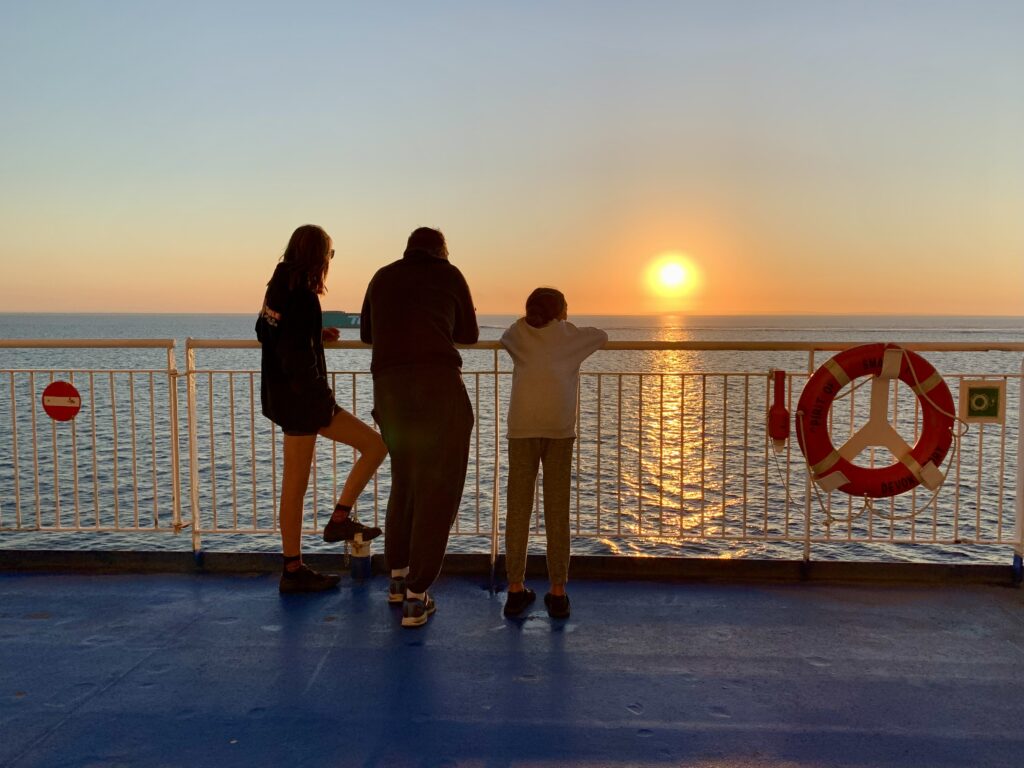
9. Stay Outside in Fresh Air Instead of Inside the Cabin
Fresh air and a clear view of the horizon help your body adjust. Enclosed cabins can worsen symptoms because you lose visual balance cues.
10. Avoid Looking Down at Phones or Reading
Looking at a screen or book confuses your brain’s motion signals. Save the photos, messages, and marine-life guides for calmer moments.
If You Start Feeling Queasy — Act Quickly
Even with preparation, some people may still feel uneasy. At the first sign of nausea:
- Move to the middle of the boat and face forward
- Focus on the horizon and take slow, steady breaths
- Get fresh air immediately
- Sip water and avoid lying down inside
- Let crew members know — they’re experienced in helping guests feel better
Acting early can stop mild discomfort from becoming full seasickness.
Do Seasickness Bands or Medication Work?
Some kids and adults find gentle acupressure wristbands or natural remedies like ginger helpful for mild nausea, though they don’t work for everyone. Afterall, those seasickness tablets don’t taste that great. However, for stronger or more persistent symptoms, over-the-counter medications like meclizine or dimenhydrinate are usually the most reliable, especially when taken before symptoms start. Parents often combine approaches — for example, using medication for children who are prone to motion sickness, and fresh air or wristbands as extra support — so everyone can enjoy the trip without feeling unwell.
How Long Does Seasickness Last?
Even if you follow all the tips, some people may still feel a little queasy on the water. The good news is that seasickness usually starts to ease once you’re back on stable ground and most people feel completely normal within a few hours. It’s also common to experience a brief “rocking” or “swaying” sensation after getting off the boat — your brain and inner ear are simply readjusting to solid land.
Extra tip: Swimming Relieves Seasickness
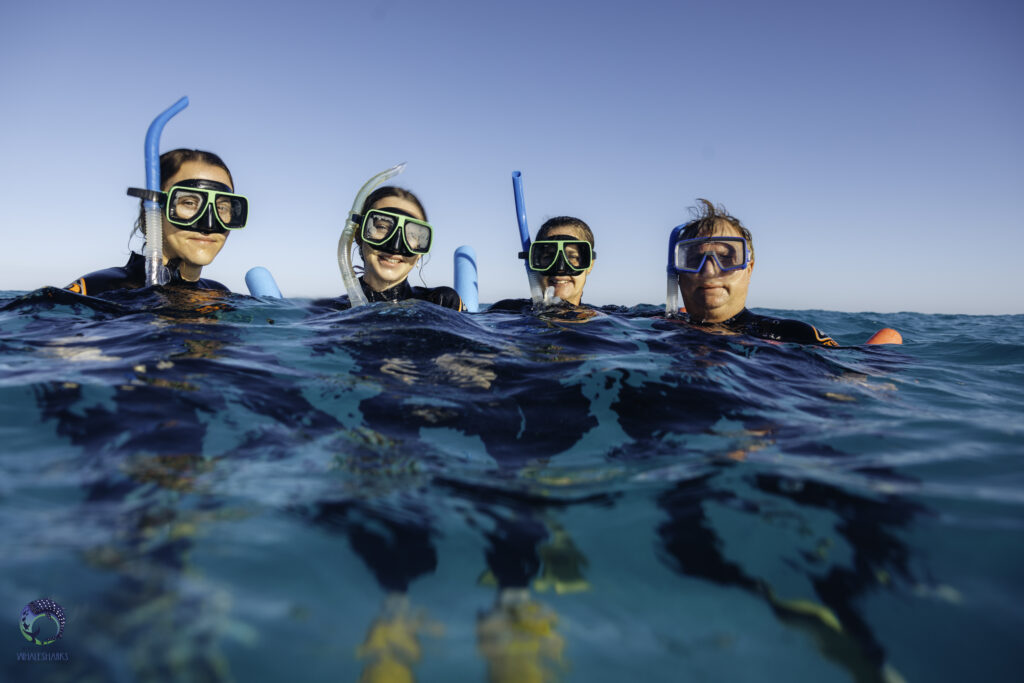
Hallelujah! Perfect for those on a snorkeling or dive tour though probably not the best idea if you are shark fishing! A cool swim in calm water can help reset the balance system and relieve nausea almost immediately. Even just floating gently or wading in the water can make a big difference. Combine this with rest, hydration, and fresh air, and you’ll be ready to enjoy your next adventure.
Enjoy Your Time on the Water
With a little preparation and the right strategies, seasickness doesn’t have to spoil your trip. Take preventive steps, get fresh air, stay hydrated, and use what works best for you — and you’ll be free to focus on enjoying the experience. If you found these tips helpful, share them with friends and family before your next boat adventure so everyone can stay comfortable and make the most of their time on the water.

Pro Tip: Save or print this list before your trip — a quick glance on the boat can make all the difference and keep the whole family feeling comfortable!