Where to See Dolphins in the Wild in Australia
Some wildlife encounters feel powerful, others intense and some emotional.
And then there are dolphins.
Dolphins feel like joy.
They don’t just swim. They play.
They don’t just pass by. They perform.
They don’t just exist. They interact.
When dolphins appear, the energy shifts. Boats slow. People smile. Cameras come out. And suddenly the world feels lighter.
This guide will show you where, when, and how to see dolphins in the wild in Australia – ethically, responsibly, and with absolutely no regrets.
If you’re planning to see more of Australia’s incredible wildlife, this animal is just one of many worth adding to your itinerary. From marsupials and marine life to rare outback species, Australia is home to some of the most unique animals on Earth. For a broader guide to the country’s must-see wildlife — including where to spot them in the wild — explore our full list of the 20 Iconic Australian Animals and Where to See Them in the Wild.
Why Seeing Dolphins in the Wild Is So Special
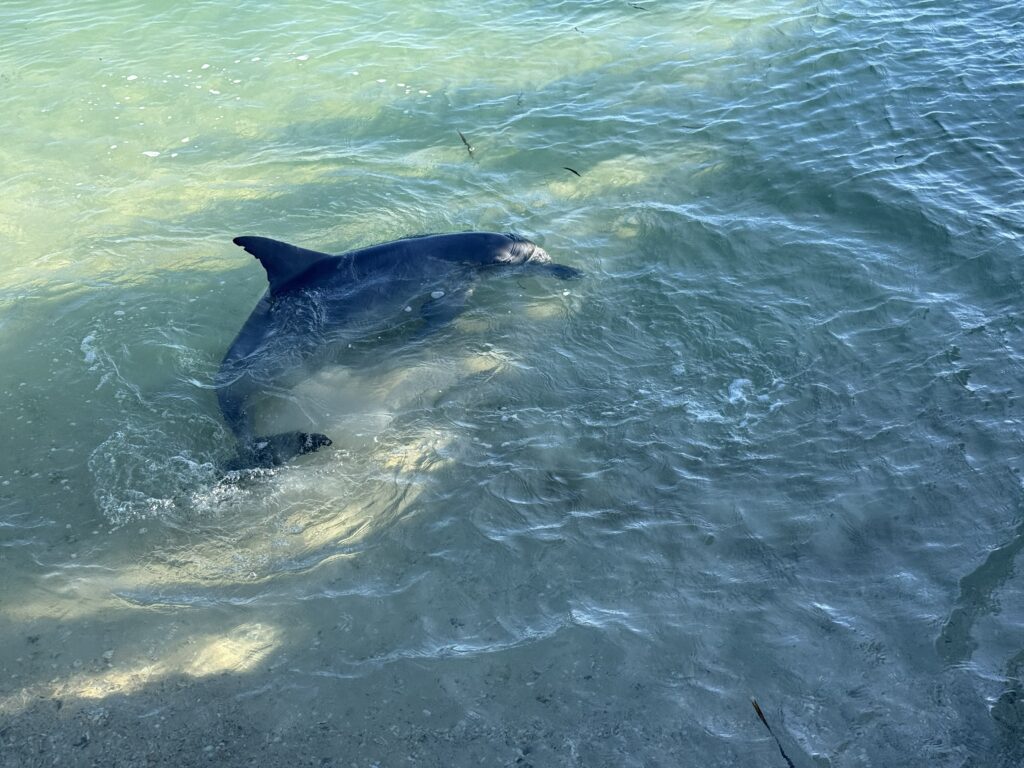
Dolphins are intelligent. Curious. Social. And completely aware of you.
They choose to approach.
They choose to play.
They choose to engage.
And when a pod starts surfing your boat’s wake, or a dolphin locks eyes with you from the water, it feels personal.
Like you’ve been noticed.
Like you’ve been invited.
And that feeling? It sticks.
Quick Dolphin Facts
- Dolphins are mammals – They breathe air with lungs, are warm-blooded, and mothers produce milk for their calves. They will nurse their young for 18 months to 2 years. Calves will stay with their mothers for 3-6 years whilst they learn hunting skills, social behaviour, communication and navigation. Bottlenose dolphins live 40-60 years.
- They use echolocation – Dolphins emit clicks and listen to the returning echoes to locate objects, find food, and navigate underwater.
- Dolphins are highly intelligent – They can solve problems, learn complex tasks, recognize themselves in mirrors, and understand symbolic communication.
- They live in social groups called pods – Pods can range from a few individuals to hundreds of dolphins, depending on the species and circumstances.
- Each dolphin has a unique whistle – Bottlenose dolphins develop distinctive “signature whistles” that function somewhat like names.
- They sleep with half their brain at a time – One hemisphere remains awake to control breathing and watch for danger while the other rests.
- There are more than 40 dolphin species – These include oceanic dolphins like bottlenose dolphins and river dolphins such as the Amazon river dolphin.
- Dolphins can swim very fast – Some species can reach speeds of over 30 km/h (about 18 mph), helping them hunt and avoid predators. They can hold their breath for 8-10 minutes. Bottlenose dolphins typically surface every 1-3 minutes so you don’t have to wait long to see them. They can dive 100-300m by slowing their heart rate down and directing blood to their vital organs (how cool is that!).
- They communicate in multiple ways -Dolphins use whistles, clicks, body movements, and even physical contact to interact with one another.
- They often display playful behavior – Dolphins have been observed surfing waves, playing with seaweed, blowing bubble rings, and engaging in social games.
Dolphins You’ll See in Australia
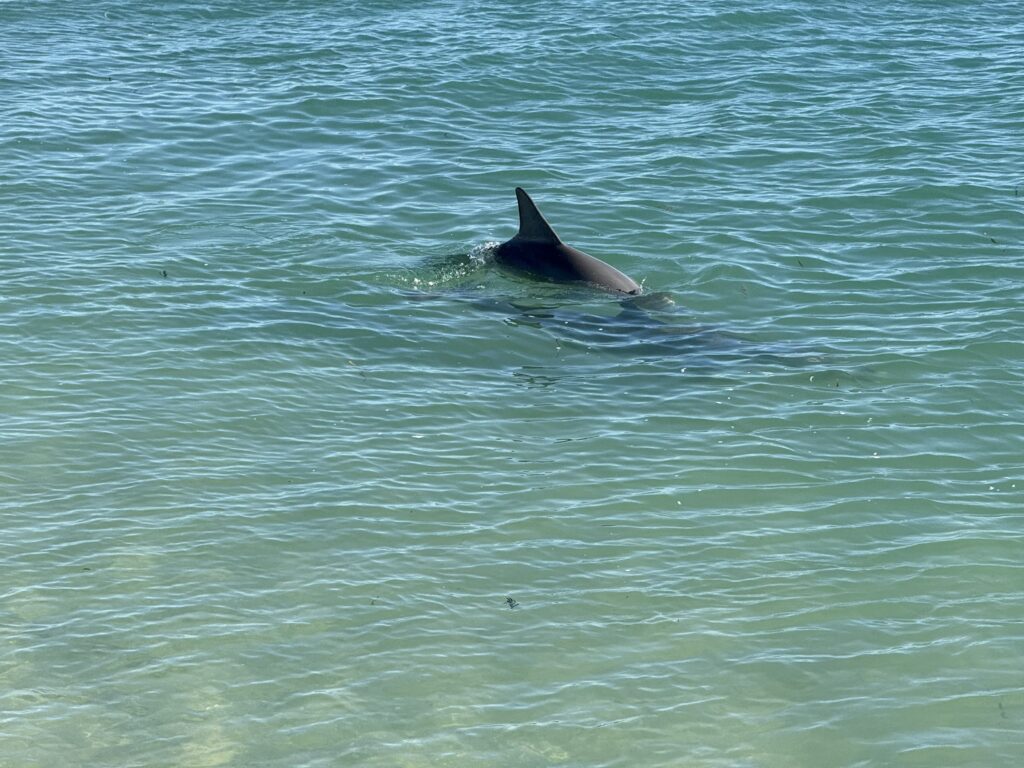
Australia is home to several species, including:
- Bottlenose dolphins – the most common and friendly
- Common dolphins – fast, playful, acrobatic
- Indo-Pacific humpback dolphins – coastal and rare
- Spinner dolphins – known for spinning leaps
No matter the species, the vibe is always the same: magic.
Best Places to See Dolphins in the Wild (By State)
New South Wales
Jervis Bay
One of the best dolphin spots in the country. Resident pods, crystal clear water, frequent sightings.
Port Stephens
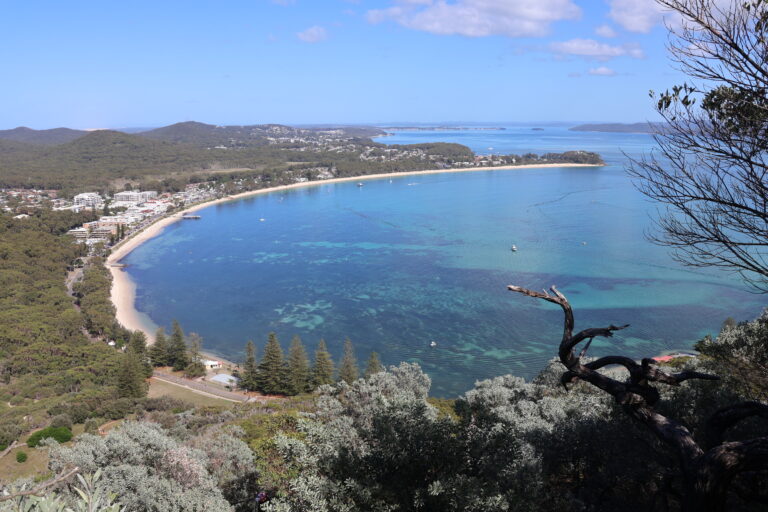
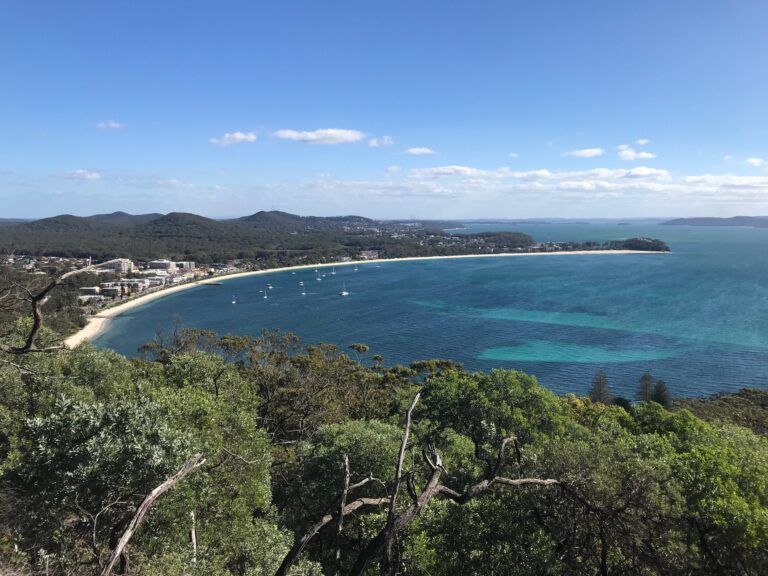
Over 150 resident bottlenose dolphins. One of the highest populations in Australia.
Read my guide on Where to See Dolphins in Port Stephens: The Ultimate Local Guide for how to swim with dolphins, dolphin watching cruises and the best places to see dolphins for free in Port Stephens/
Byron Bay
Pods cruise the headlands daily and are often seen surfing.
Sydney Harbour
Yes – dolphins in the city. Regular sightings.
Queensland
Moreton Bay
Resident populations, calm waters, great tours.
Tin Can Bay
Famous for dolphin encounters (viewing only, highly regulated).
Hervey Bay
Not just whales – dolphins too.
Gold Coast & Sunshine Coast
Frequent coastal sightings.
Victoria
Phillip Island
Regular dolphin cruises.
Gippsland Lakes
Calm water, resident pods.
South Australia
Kangaroo Island
Wild, clear water encounters.
Eyre Peninsula
Playful pods and dramatic coastlines.
Western Australia
Monkey Mia (Shark Bay)
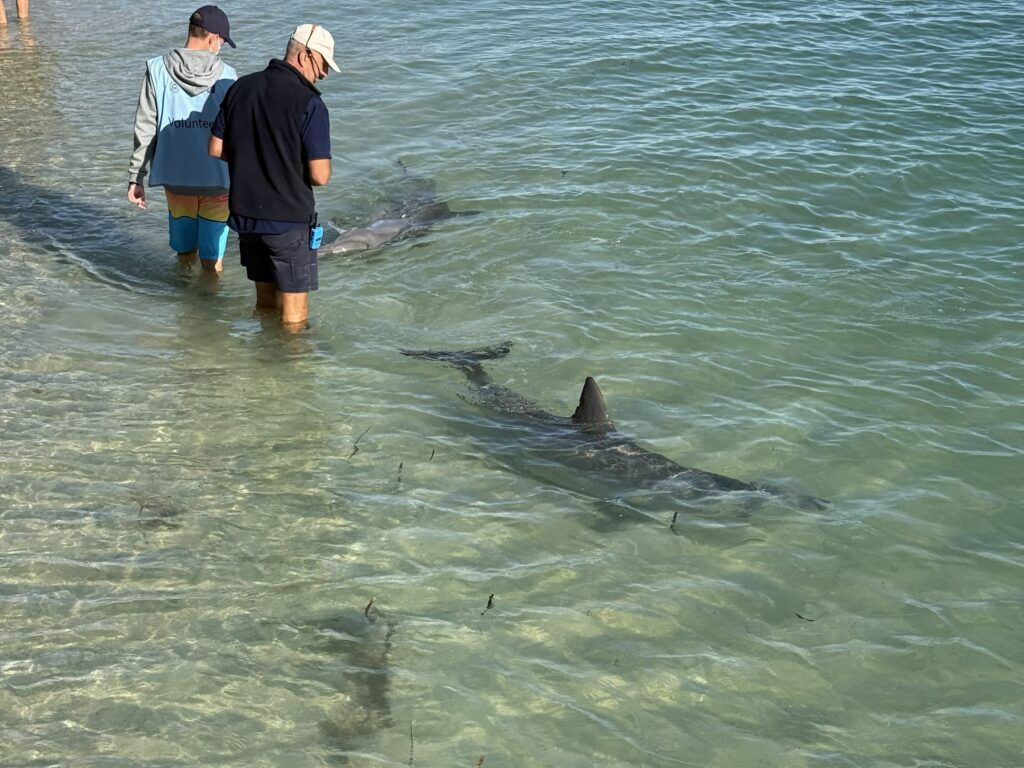
World-famous dolphin encounters (highly regulated and ethical).
Perth & Fremantle
Dolphins in the Swan River and coastal waters.
Bunbury
Resident pod and dedicated dolphin centre.
Tasmania
Bruny Island
Wild coastal sightings.
Freycinet National Park
Pods cruise the bays.
Where I’ve Seen Dolphins
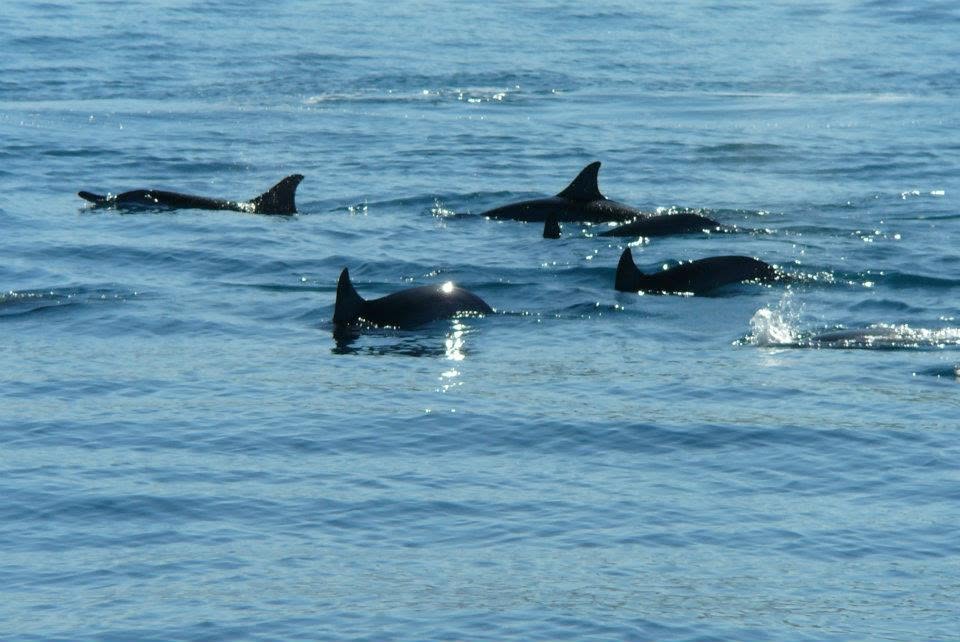
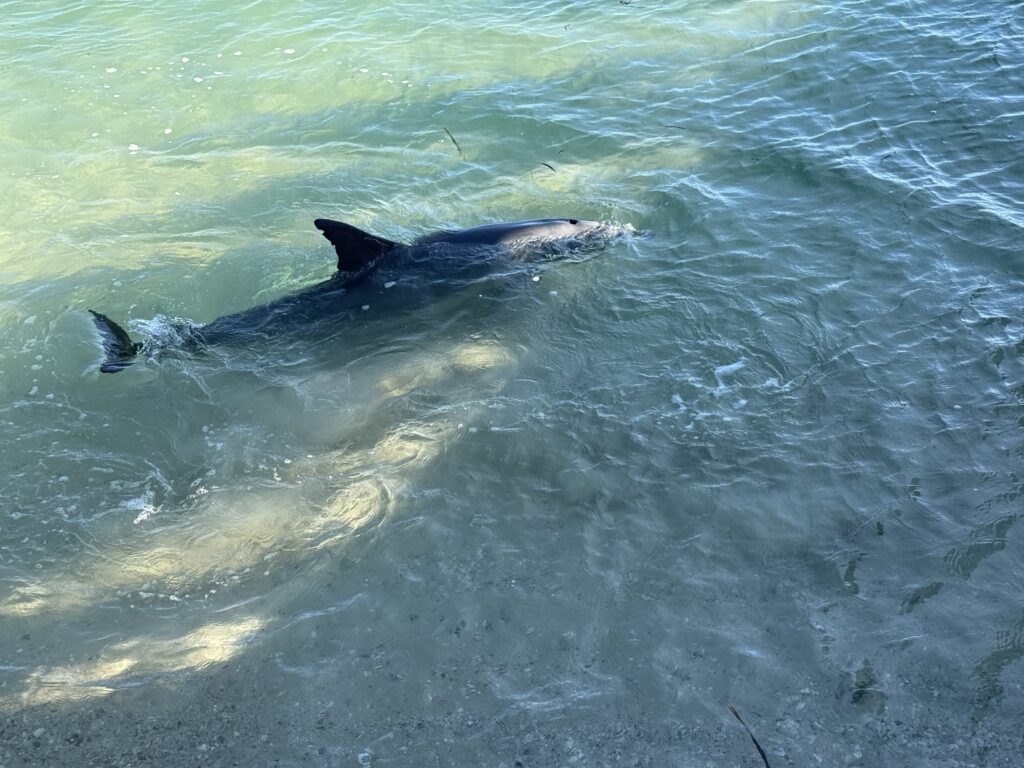
I’m spoilt, as I live in Port Stephens and see dolphins everytime I go out in our boat and frequently just passing by when I’m walking the dog along the waterfront.
I’ve been in the water snorkelling in Port Stephens and heard them talking under the water, although I couldn’t see them.
I raced small sailing dinghies on Sydney Harbour. One day, the dolphins came to play so we forgot about the race and played with the dolphins. The race officials were not impressed but they totally understood.
Sailing on Jervis Bay, hanging out the side of the boat only to see a grey fin surface about a metre away. Not a shark, a dolphin – who stayed with us for half of the race!
Monkey Mia, Shark Bay in Western Australia. They come to the beach in the morning for a free feed of fish. It is very commercialised but you can get really close without getting your feet wet or getting in a boat.
Best Time of Day to See Dolphins
Dolphins are active:
- Morning
- Late afternoon
Calm seas = better sightings.
They follow fish, not clocks.
They love to play in the surf.
Best Time of Year
Good news:
Dolphins are year-round in Australia.
Some areas have higher numbers in warmer months, but you can see dolphins any time of year.
Which means… no excuses.
From Land, Boat, or Water – What’s Best?
From Land
- Headlands
- Coastal walks
- Lookouts
- Cliffs
Perfect for:
- Byron Bay
- Jervis Bay
- Bruny Island
- Cape Woolamai
From Boat
- Closest encounters
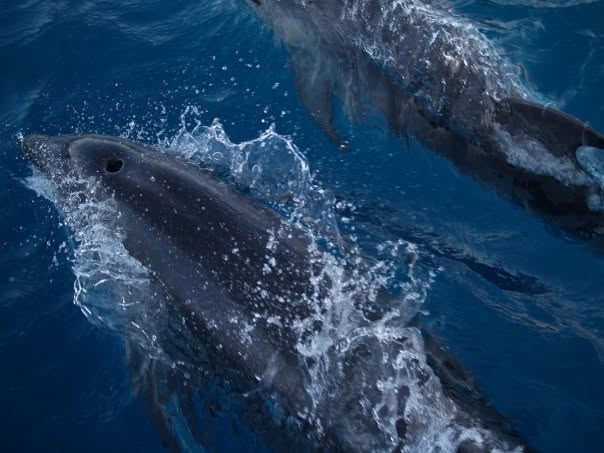
- Playful bow riding
- Pod interactions
Best option for most people.
In the Water (Snorkelling)
- Only in specific locations
- With licensed operators
- Under strict guidelines
Never chase. Never touch. Never interfere.
How to Spot Dolphins
Listen for:
- Pfffff. You’ll often hear them before you see them
Look for:
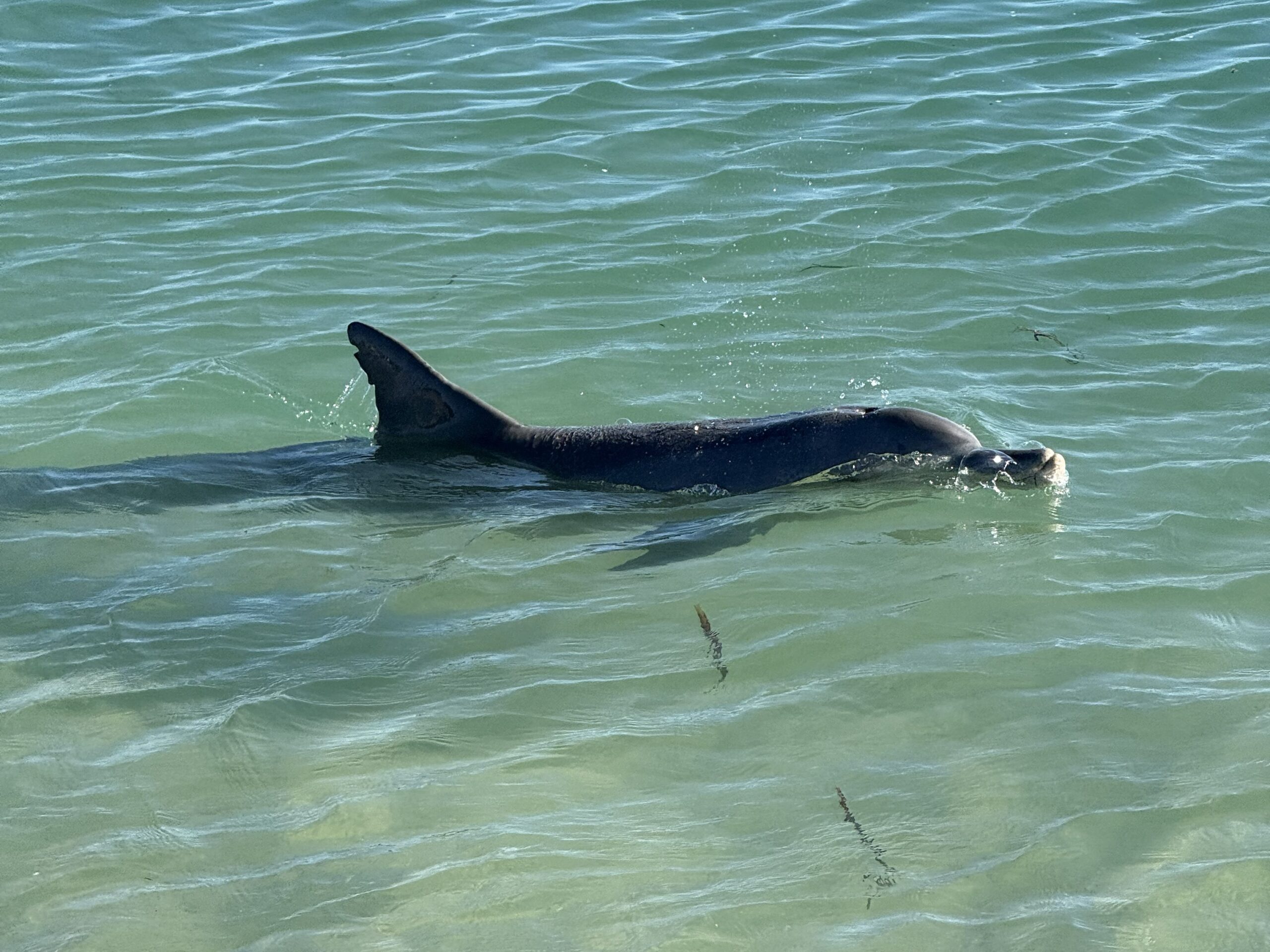
- Fins breaking the surface
- Fast splashes and movement
- Birds diving on baitfish
- Smooth, dark shapes gliding
- Sudden bursts of speed
Once you see one… there are usually many more.
How to See Dolphins Responsibly
Dolphins are protected.
Always:
- Do not touch or feed
- Do not chase
- Do not block their path
- Keep distance from pods and calves
- Choose ethical tour operators
- Follow local rules and signage
Dolphins choose interaction. Not the other way around.
Photography Tips
- Fast shutter speed for action
- Zoom lens for distance
- Capture groups, not just individuals
- Watch for bow riding moments
- Be ready – they move fast
And don’t forget to just watch. They deserve your full attention.
Can You See Dolphins Without a Car?
Yes – easily:
- Sydney Harbour
- Port Stephens
- Byron Bay headlands
- Bunbury (WA)
- Jervis Bay town
- Phillip Island
Public transport + walking will still get you dolphin magic.
Tours vs DIY – What’s Better?
For dolphins:
- Boat tours = best experience
- Land-based spotting = easy DIY
If you want interaction and energy, book a tour.
If you love quiet moments, watch from shore.
Both are beautiful.
Where to Stay for Dolphin Encounters
Great bases include:
- Jervis Bay accommodation – resident pods
- Port Stephens stays – dolphin capital of NSW
- Byron Bay hotels & retreats – daily sightings
- Bunbury stays (WA) – dedicated dolphin centre
- Kangaroo Island lodges – wild encounters
- Bruny Island accommodation – remote + magical
Anywhere coastal = potential dolphin joy.
FAQs
Are dolphins friendly?
They are curious and social, but still wild.
Can dolphins be dangerous?
Rarely, but they are strong animals. Respect is key.
Can you swim with dolphins in Australia?
Only in specific locations and with licensed operators.
Is it guaranteed?
No wildlife is guaranteed – but dolphins are one of the most reliable sightings in Australia.
Ready to smile?
Dolphins remind you that the world is still playful.
That not everything has to be serious.
That joy can be wild.
That connection doesn’t always need words.
They leap.
They spin.
They race.
They show off.
And when they choose to swim beside you, even for a moment, it feels like a gift.
A shared moment.
A shared energy.
A shared smile.
And honestly?
We could all use more of that.
Roam with no regrets. 🐬💙
Share This Guide
Know someone who loves the ocean, needs a little joy, or dreams of wild coastal moments? Share this guide, save it for later, and start planning your dolphin escape – because happiness sometimes comes with a fin.