
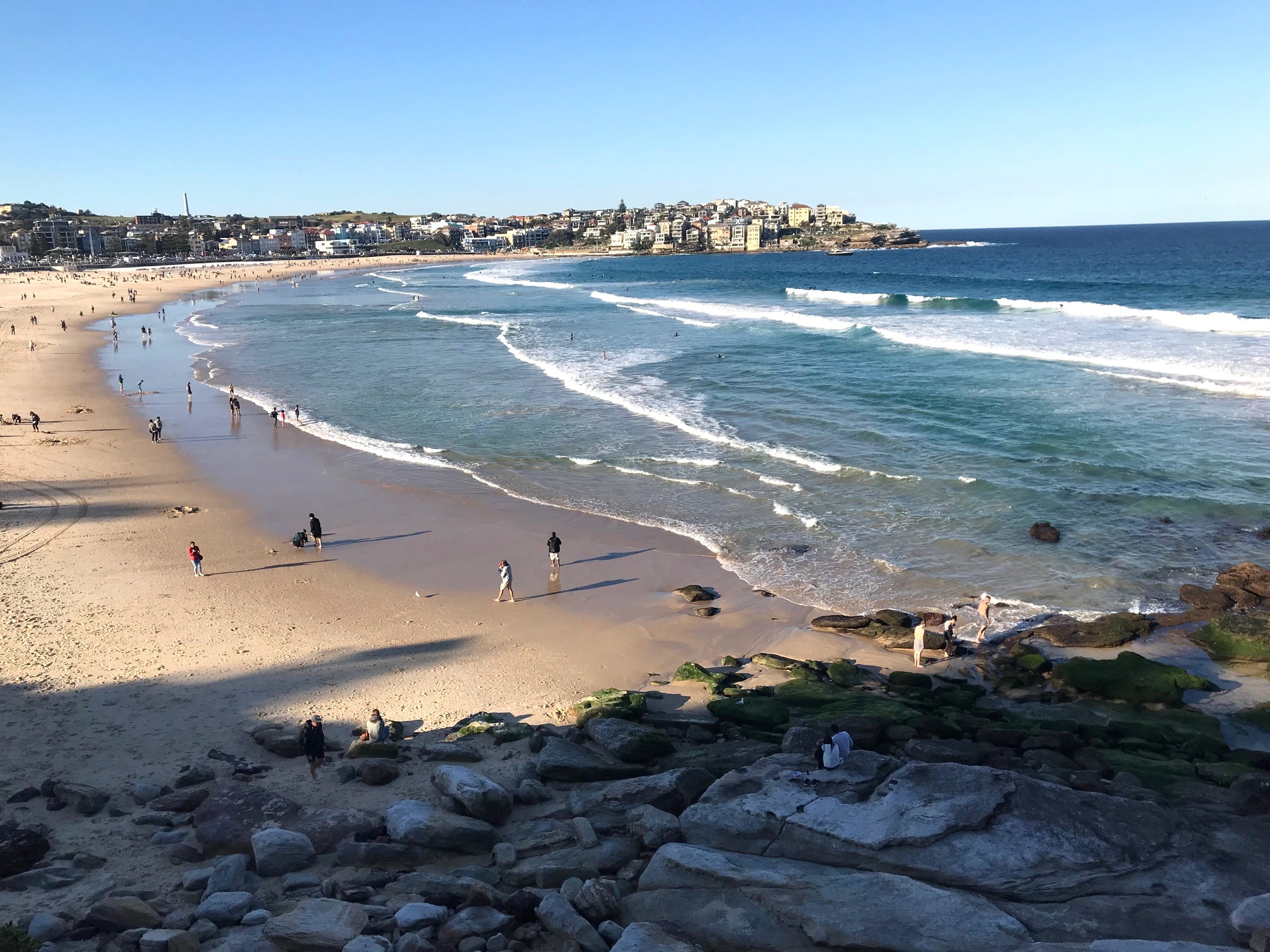
How to Identify Rips at Australian Beaches
The water glistens like glass under the Aussie sun, waves rolling in perfect rhythm – it looks inviting, almost too perfect. But beneath that postcard beauty, the ocean hides one of its most dangerous secrets; rips. Every year, even seasoned swimmers find themselves swept away by these powerful currents, often before they even realise what’s happening.
Whether you’re backpacking along the East Coast of Australia, learning to surf in Byron Bay, or cooling off on a sweltering day at Bondi, knowing how to spot a rip could literally save your life. In this guide, we’ll break down how to read the waves, recognise the warning signs, and enjoy Australia’s stunning beaches safely – with confidence, not fear.
What is a rip?
A rip (or riptide) is a strong, localised and narrow current of water that moves directly away from the shore by cutting through the lines of breaking waves, like a river flowing out to sea. The force of the current in a rip is strongest and fastest next to the surface of the water. Very useful if you are a surfer, very dangerous if you are a swimmer.
On average, rips account for 21 deaths on Australian beaches each year. According to Surf Life Saving Australia, over 3.7 million Australians have been unintentionally caught up in a rip (myself included) and 26% of those required to be rescued (yep, me too).
Ever watched Bondi Rescue and heard them talk about Backpackers? That is the name of the rip where the backpackers think it is safe to swim because the waves are smallest. Always swim between the flags.
How to identify a rip from the beach
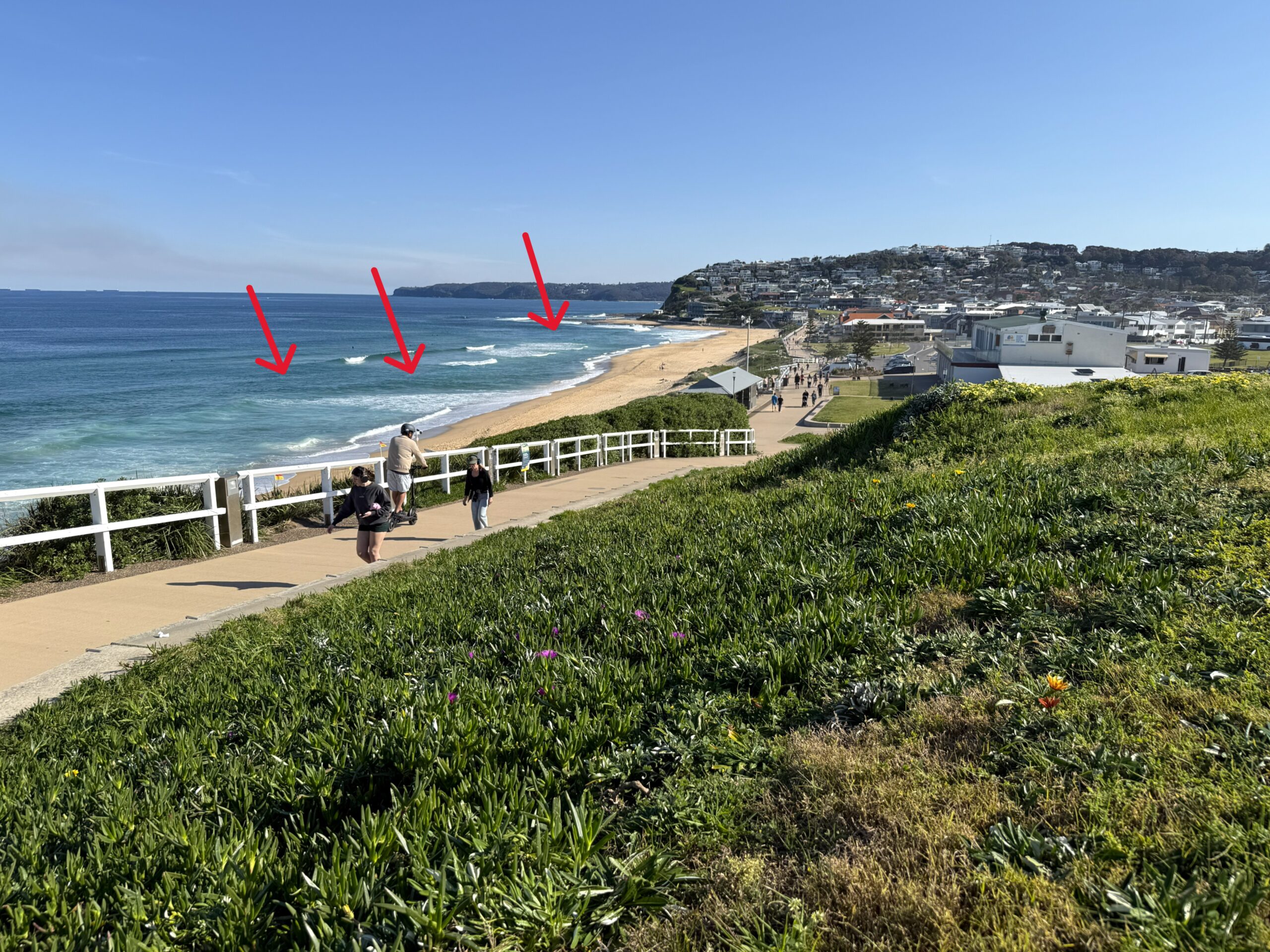
Before you enter the water, look for the following signs of the rip
- Darker water: indicates deeper water where waves carve a path back t the ocean.
- Gaps between the waves: Calmer spots without waves can signal rip currents, as water is rushing out to sea.
- Seaweed, sand and sediment: Sandy clouds moving out to sea suggest a rip pulling debris along.
- Rippled surface: Noticeable rippled areas surrounded by smooth water shows current moving in various directions.
- Fewer breaking waves: Rip channels appear where fewer breaking waves break, with no white foam reaching the sand.
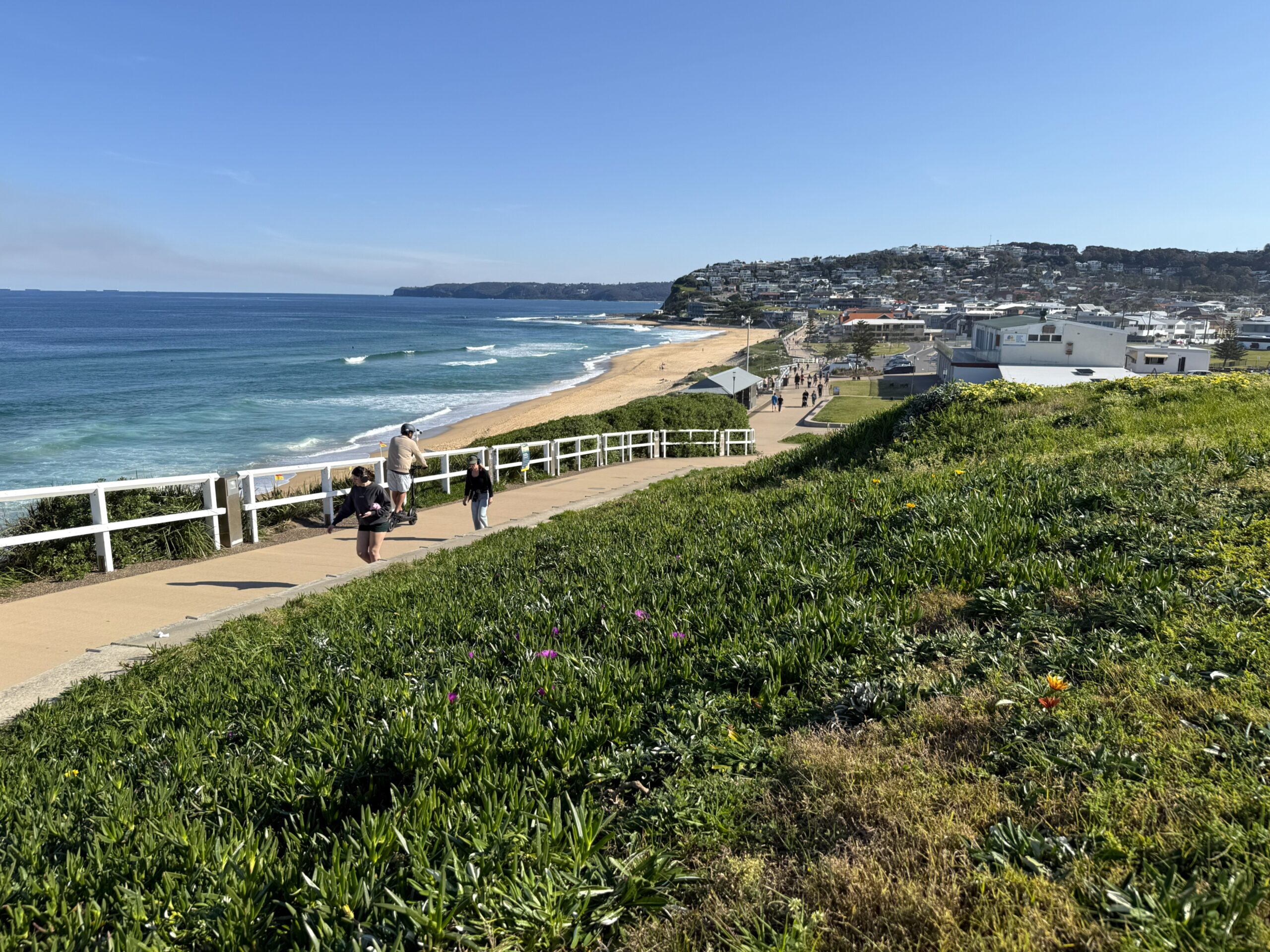
It helps if you can see the beach from a high vantage point. Climb the hill or sand dune to get a good look at the beach.

Can you identify the rip?


What to do when you get caught in a rip
OK, so you are being dragged out to sea in a rip. What do you do?
Stay calm and focus on staying afloat, rips will not pull you under they just pull you away from shore. Normally a rip will stop just behind breakings waves.
What do do:
- Float on your back, remain calm and don’t panic
- Raise your arm in the air and call for help
- Continue to tread water and float while you wait for help
- If you are a confident swimmer, swim with the rip out to sea to just behind the waves. Then swim left or right to catch a wave back to the sandbank and stand up
Remember, if you get stuck in a rip it’s key to not tire yourself out by swimming against it. Stay calm, float with the current and wait for help to arrive.
What is it like to be caught in a rip?
It was a beautiful sunny day at Narrabeen Beach on Sydney’s northern beaches, when two young girls (11 and 12) followed their uncle into the surf for a swim. They only went knee deep, then took their feet off the bottom and were gone. It took about 2 minutes for them to be ripped out to sea beyond the headland where the surfers were lined up to catch the waves. Lucky for the girls, the surfers saw them and came to their rescue, signalled to the life guards who came and rescued them. The girls were transferred to the rescue boards for a ride back to the beach and back to their frantic mother.
Who were those girls? That was me and my sister.
What happened to our uncle? He knew to swim across the rip, and that he would eventually swim out of it and be able to get back to shore.
Ever since then, I always swim between the flags. And I have supported Surf Life Saving Australia through donations, eating at their amazing surf clubs and competing in their Ocean Swim Series. Why? Because you never know when you will need them. If you would like to donate too, here is the link.
Donate to Surf Life Saving Australia
What is it like to rescue someone from a rip?
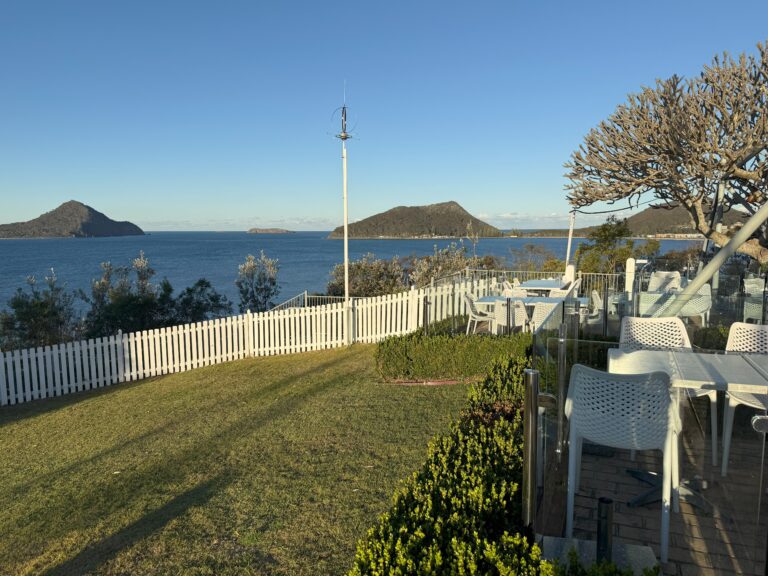
Forward 30 years plus later, and I am fishing with my family in a tinny (that’s a little aluminium runabout boat) off Fingal Beach, Port Stephens. We looked up and saw 3 tourists starting to try and cross the sand bar to the island. The water over the sand bar was knee deep. Oh no, looks like trouble.
We headed in their direction, hoping that we wouldn’t be needed. In the distance, we could see the lifeguards on their way, but we didn’t think they would get there in time either. By the time we arrived, I had to lean over the side and grab one of the men by the hair as he went under. Thankfully, he only swallowed a bit of water. The other two men were able to grab the side of our boat. We transferred the men to the surf lifesaving inflatable and the lifeguards were able to take them back to shore. They were very lucky – 17 people have drowned here!
Australia’s beaches are some of the most breathtaking in the world – wild, free and full of life. But their beauty also demands respect. Learning how to identify a rip current isn’t just about safety; it’s about truly understanding the rhythm of the ocean and becoming a confident, capable beachgoer.
Before you dive in, take a moment to read the water. Look for discoloured patches, calmer sections, or channels that seem to pull out to sea. If you’re ever unsure, ask a lifeguard or stay between the red and yellow flags. The waves will still be there tomorrow – and so will you.
So go ahead – chase the sun, surf the swells and soak up the salt air. With a little awareness, you can enjoy Australia’s coastline the way it’s meant to be enjoyed; safely, smartly, and with the respect the ocean deserves.
Ready to explore more? Check out our other guides of Australian beaches and start planning your next seaside adventure.
Discover the Magic of Caves Beach
2 Comments
Comments are closed.