Where to See Clownfish (Nemo) in the Wild in Australia
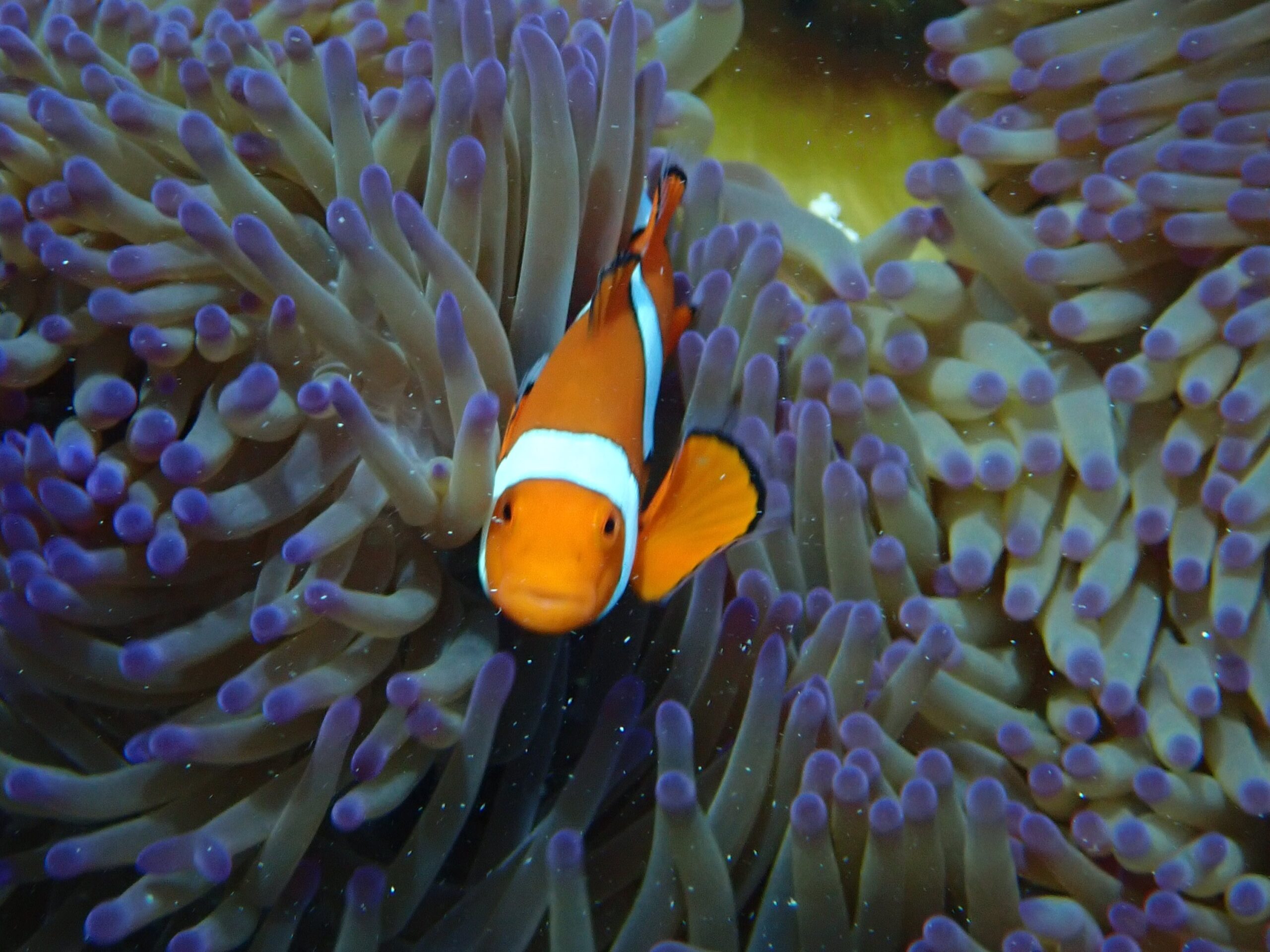
You see the anemone first.
Then a flicker of orange.
A flash of white.
A tiny face peeking out like it’s checking if the coast is clear.
And suddenly… there it is.
Nemo.
In real life.
In the wild.
Small. Bright. Brave. And absolutely magical.
This guide will show you where, when, and how to see clownfish in the wild in Australia – ethically, responsibly, and with absolutely no regrets.
Some links in this post are affiliate links, which means I may earn a small commission if you choose to make a purchase. It helps support Roam with No Regrets at no extra cost to you — thank you for your support!
Why Seeing Clownfish in the Wild Is So Special
Clownfish are tiny, but their presence is huge.
They don’t roam.
They don’t wander.
They don’t hide far.
They live their entire lives in one anemone.
They defend it.
They love it.
They trust it.
And when you find one, tucked safely in its anemone home, it feels intimate. Personal. Almost like you’ve been invited into a private world.
It’s quiet magic.
Quick Clownfish Facts
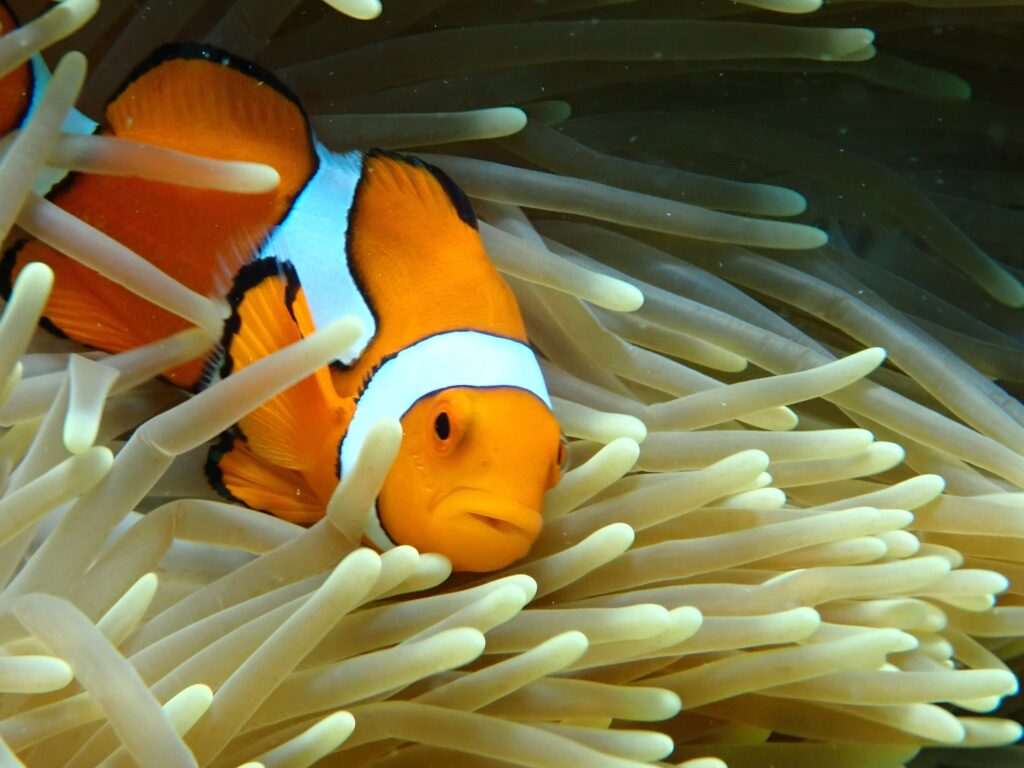
- Clownfish live in symbiosis with sea anemones
- The anemone protects the fish, the fish protects the anemone
- They are born male and can change sex
- The largest fish becomes the female
- They are highly territorial and very brave
- Australia is home to several species of clownfish
Small body. Big courage.
Clownfish Species You Might See in Australia
- Orange Clownfish (Amphiprion percula) – classic Nemo look
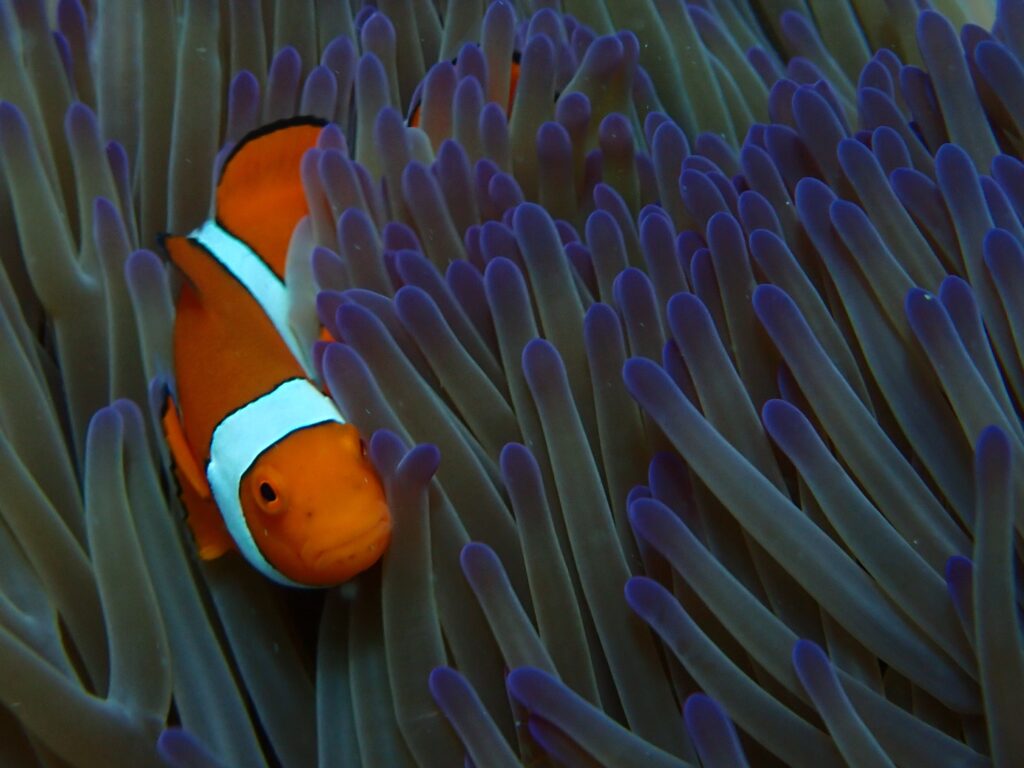
- False Clownfish (Amphiprion ocellaris) – almost identical to Nemo
- Clark’s Anemonefish
- Barrier Reef Anemonefish
- Tomato Anemonefish
Different names. Same adorable energy.
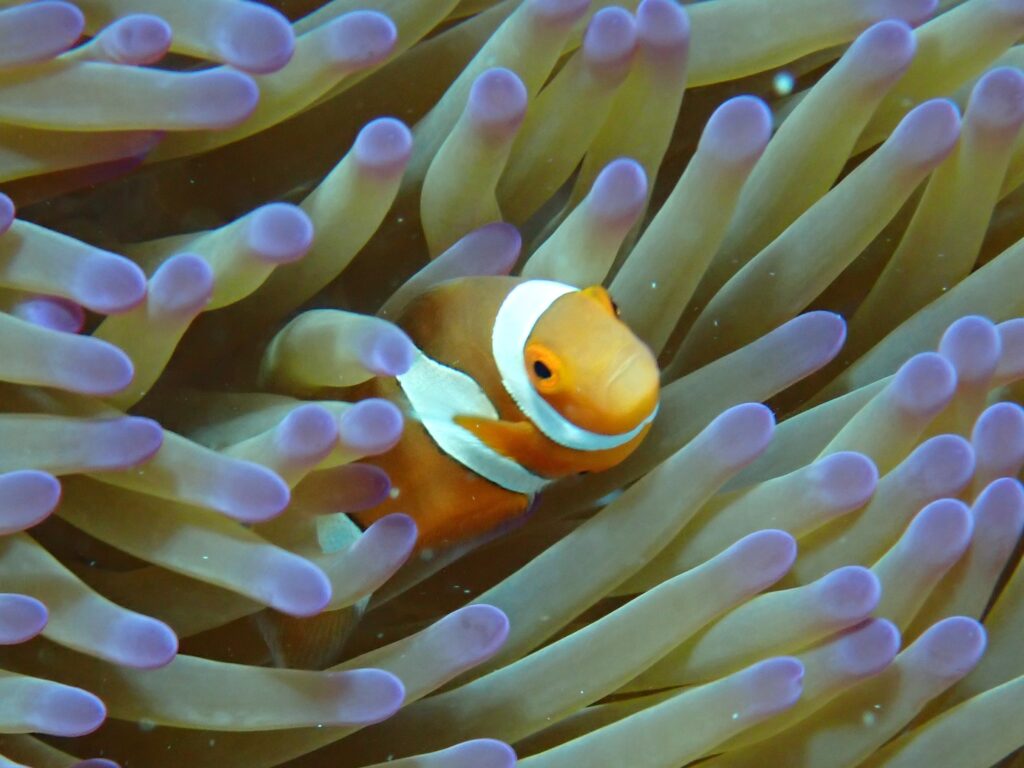
Where Clownfish Live in Australia
Clownfish are found in:
- Tropical waters
- Coral reefs
- Shallow lagoons
- Protected bays
They need:
- Warm water
- Healthy coral
- Sea anemones
Which means… hello Great Barrier Reef.
Best Places to See Clownfish in the Wild (By Region)
Queensland – The Main Event
Great Barrier Reef
The best place in Australia. Period.
Top spots:
- Cairns & Port Douglas reefs
- Whitsundays
- Lady Elliot Island
- Heron Island
- Lizard Island
- Fitzroy Island
- Magnetic Island
You will see clownfish. Guaranteed.
Western Australia
Ningaloo Reef
Stunning, accessible, and full of reef life.
Exmouth
Coral Bay
Northern Territory
Darwin region reefs
Tiwi Islands
New South Wales (Warm Currents)
Occasional sightings in:
- Solitary Islands Marine Park
- Lord Howe Island (yes – magical)
Less common, but possible.
Where I’ve seen Clownfish
- Great Barrier Reef with Wavelength Reef Cruises
- Whitsunday Islands
- Ningaloo Reef from Coral Bay when we swam with humpback whales.
Best Time of Day to See Clownfish
Clownfish are active:
- All daylight hours
Best visibility:
- Late morning to early afternoon
- When the sun is high and the water is bright
They don’t wander far, so once you find the anemone, you’re set.
Best Time of Year
- Queensland & NT: Year-round
- WA: Best in warmer months (March–October)
- NSW: Summer
Warm water = happy clownfish.
How to Spot Clownfish
Look for:
- Sea anemones on coral
- Small orange fish darting in and out
- Movement within tentacles
- Tiny faces peeking out
If you see an anemone… stop. Look closely. Nemo might be home.
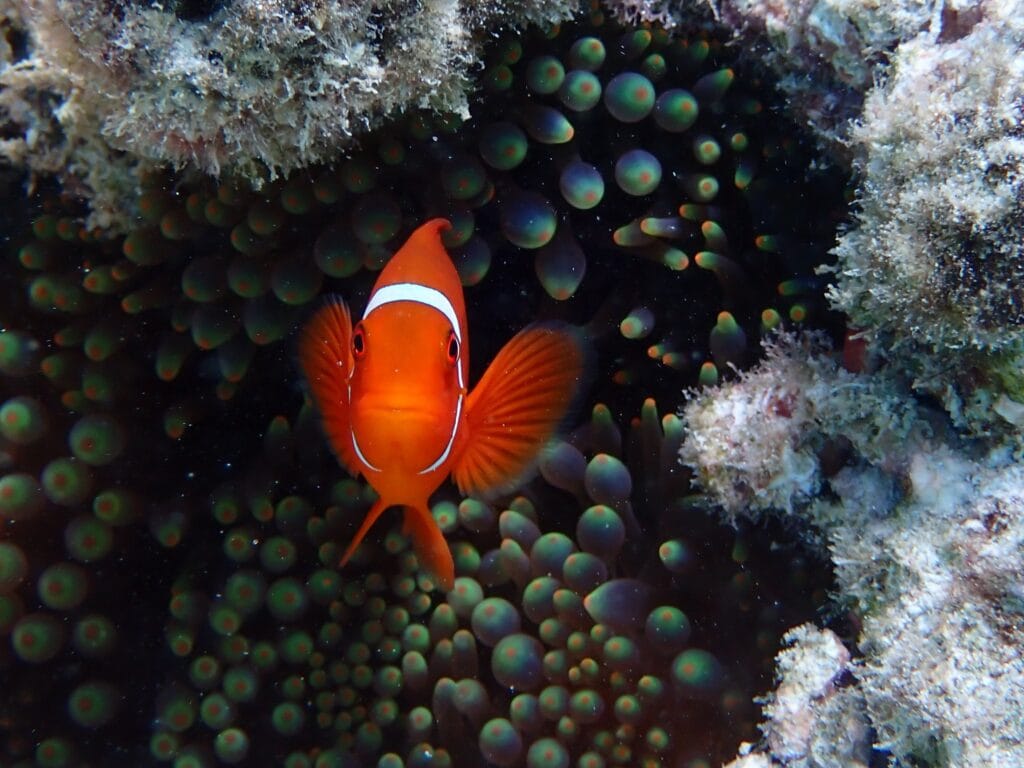
How to See Clownfish Responsibly
This is critical.
Clownfish and anemones are fragile.
Always:
- Do not touch the anemone
- Do not touch the fish
- Do not kick or stand on coral
- Maintain buoyancy when snorkelling or diving
- Do not chase or harass
- Use reef-safe sunscreen
Clownfish rely on their anemone. Disturbing it can kill them.
Respect the tiny legends.
Photography Tips
- Use macro or zoom for detail
- Get low and level with the anemone
- Wait for them to peek out (they always do)
- Don’t use flash too close
- Capture their curious faces
They are ridiculously expressive.
Can You See Clownfish Without Diving?
YES – and this is the best part.
You can see clownfish:
- Snorkelling
- From shallow reefs
- From beach-accessible reefs
- On guided snorkel tours
No scuba required.
Places like:
- Fitzroy Island
- Green Island
- Lady Elliot Island
- Ningaloo Reef
- Magnetic Island
You can literally float and meet Nemo.
Tours vs DIY – What’s Better?
For clownfish:
- Snorkelling tours = easiest
- Resort islands = perfect DIY
- Boat trips to reefs = guaranteed sightings
If you can get to a reef, you can find clownfish.
They are homebodies. They don’t leave.
Where to Stay for Clownfish Encounters
Great bases include:
- Port Douglas accommodation – reef access
- Cairns resorts – tour gateway
- Whitsundays island stays – snorkel heaven
- Lady Elliot Island eco-resort – front-row reef life
- Exmouth stays (WA) – Ningaloo access
- Lord Howe Island stays – pristine magic
Anywhere reef-based = Nemo potential.
FAQs
Are clownfish friendly?
They are curious and bold, but still wild.
Can clownfish sting you?
No – but their anemone can.
Is it safe to swim near anemones?
Yes, as long as you don’t touch them.
Are clownfish endangered?
Some species are under threat due to reef damage and aquarium trade. Wild viewing is always better than captivity.
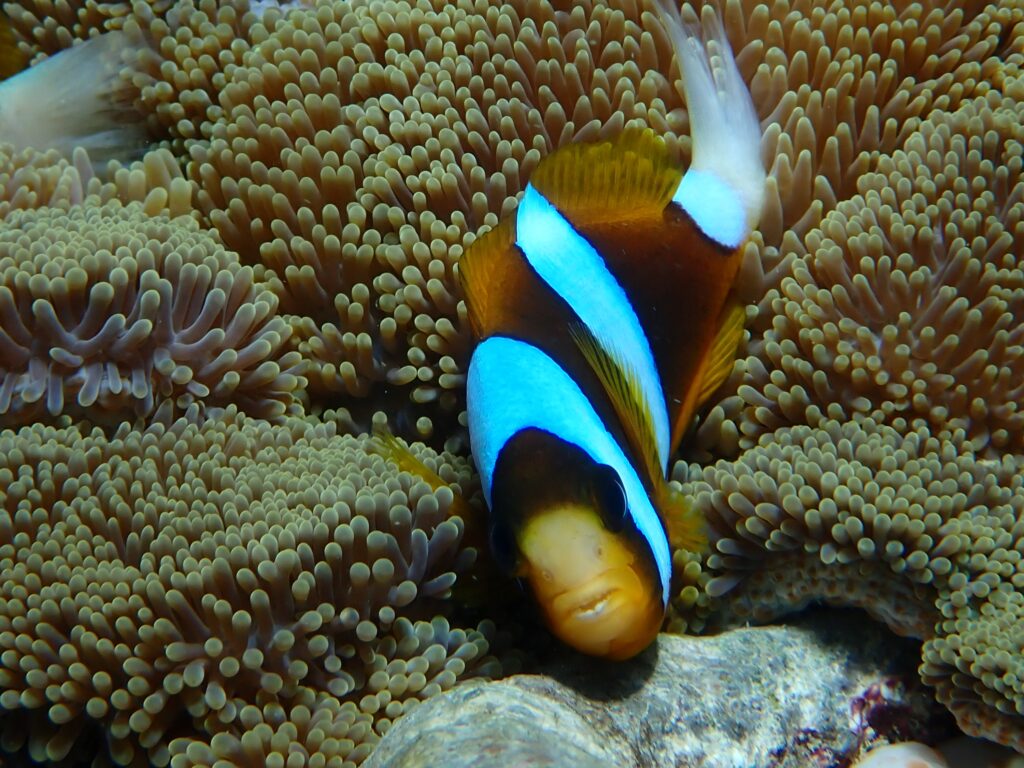
Final Thoughts
Clownfish are tiny, but they leave a massive impression.
They are brave.
They are loyal.
They are curious.
They are homebodies with attitude.
They don’t run from danger.
They face it.
They defend their space.
They protect their family.
And when you see one in the wild – peeking from its anemone, watching you just as much as you watch it – it feels like a childhood dream come true. You’ll probably scream NEMO through your snorkel, grab your buddy’s arm and point wildly at the anemone!
A moment of colour.
A moment of wonder.
A moment of pure, underwater joy.
And honestly?
That’s exactly what travel should feel like.
Roam with no regrets. 🧡🐠✨
Share This Guide
Know someone who loves the ocean, grew up with Finding Nemo, or dreams of snorkelling the Great Barrier Reef? Share this guide, save it for later, and start planning your reef adventure – because some of the best travel moments come in small, orange, unforgettable packages.