Best Time to Visit Ningaloo Reef for Wildlife & Weather
Ningaloo Reef (Western Australia) is a highly seasonal destination, with different wildlife highlights and very distinct weather patterns. Finding the best time to visit Ningaloo Reef can be tricky. Here’s a practical planning guide covering climate, sea conditions, and when to see key species.
Some links in this post are affiliate links, which means I may earn a small commission if you choose to make a purchase. It helps support Roam with No Regrets at no extra cost to you — thank you for your support!
Climate Overview
Ningaloo has a semi-arid tropical climate with two main seasons rather than four.
| Season | Months | Conditions | Why Visit |
|---|---|---|---|
| Dry Season | April–October | Warm days, low humidity, little rain, best ocean visibility | Peak wildlife season; most reliable conditions |
| Wet / Summer Season | November–March | Hot, humid, chance of cyclones, occasional heavy rain | Turtle nesting, manta rays, fewer crowds (but heat can be intense) |
Key takeaway:
👉 The water never gets “cold” — even winter swimming is comfortable in a 3 mm wetsuit.
Air Temperature, Sea Temperature & Humidity (Averages)
| Month | Avg Air Temp °C (°F) | Sea Temp °C (°F) | Avg Humidity | What It Feels Like |
|---|---|---|---|---|
| Jan | 25–38 (77–100) | 27–28 (81–82) | 60–70% | Very hot, tropical feel; can be oppressive midday |
| Feb | 25–38 (77–100) | 28 (82) | 65–75% | Most humid month; thunderstorm build-ups |
| Mar | 24–36 (75–97) | 27 (81) | 60–70% | Still humid but easing late month |
| Apr | 22–33 (72–91) | 26 (79) | 50–60% | Noticeably more comfortable; start of “dry” feel |
| May | 19–29 (66–84) | 24–25 (75–77) | 40–50% | Warm days, low humidity — ideal conditions |
| Jun | 17–27 (63–81) | 23–24 (73–75) | 35–45% | Dry, mild, very pleasant |
| Jul | 16–26 (61–79) | 22–23 (72–73) | 35–45% | Coolest month but crisp and comfortable |
| Aug | 16–26 (61–79) | 22 (72) | 30–40% | Driest month; desert-like air, great visibility |
| Sep | 18–28 (64–82) | 22–23 (72–73) | 30–40% | Warm but still dry — excellent balance |
| Oct | 21–31 (70–88) | 23–24 (73–75) | 35–45% | Warming up; humidity still moderate |
| Nov | 23–34 (73–93) | 25–26 (77–79) | 45–55% | Transition month; humidity returning |
| Dec | 24–36 (75–97) | 26–27 (79–81) | 55–65% | Hot with building tropical humidity |
How the Seasons Actually Feel (Not Just Look on Paper)
Dry Season (April–October)
- Humidity drops sharply → heat feels far more tolerable.
- The weather is dry and clear, similar to a warm Mediterranean climate.
- Even at 28 °C (82 °F), it feels comfortable because sweat evaporates quickly.
- This is why it’s the prime wildlife and tourism season.
Wet / Summer Season (November–March)
- Temperatures are only slightly higher, but humidity rises dramatically.
- The combination of 35 °C + 70% humidity can feel 5–8 °C hotter.
- More cloud build-up, occasional cyclonic systems, and glassy mornings followed by storms.
- Water is bath-warm, but land activities can be draining.
Wildlife Watching Calendar
Ningaloo is unique because many headline species overlap, but timing matters if you want specific encounters. Plan your Coral Coast Road Trip around your bucket list animal encounter for an unforgettable experience.
| Species | Best Months | Reliability | Notes |
|---|---|---|---|
| Whale Sharks | Mid-March → July (peak April–June) | ⭐⭐⭐⭐⭐ | Driven by coral spawning; Ningaloo is the most reliable place on Earth to swim with them |
| Humpback Whales | June → October (peak Aug–Sep) | ⭐⭐⭐⭐⭐ | Migration corridor runs right past the reef |
| Manta Rays | Year-round (best May–Nov) | ⭐⭐⭐⭐ | Regular cleaning stations; fewer crowds than east coast sites |
| Dugongs | Year-round | ⭐⭐⭐ | Seen in Exmouth Gulf; sightings depend on conditions rather than season |
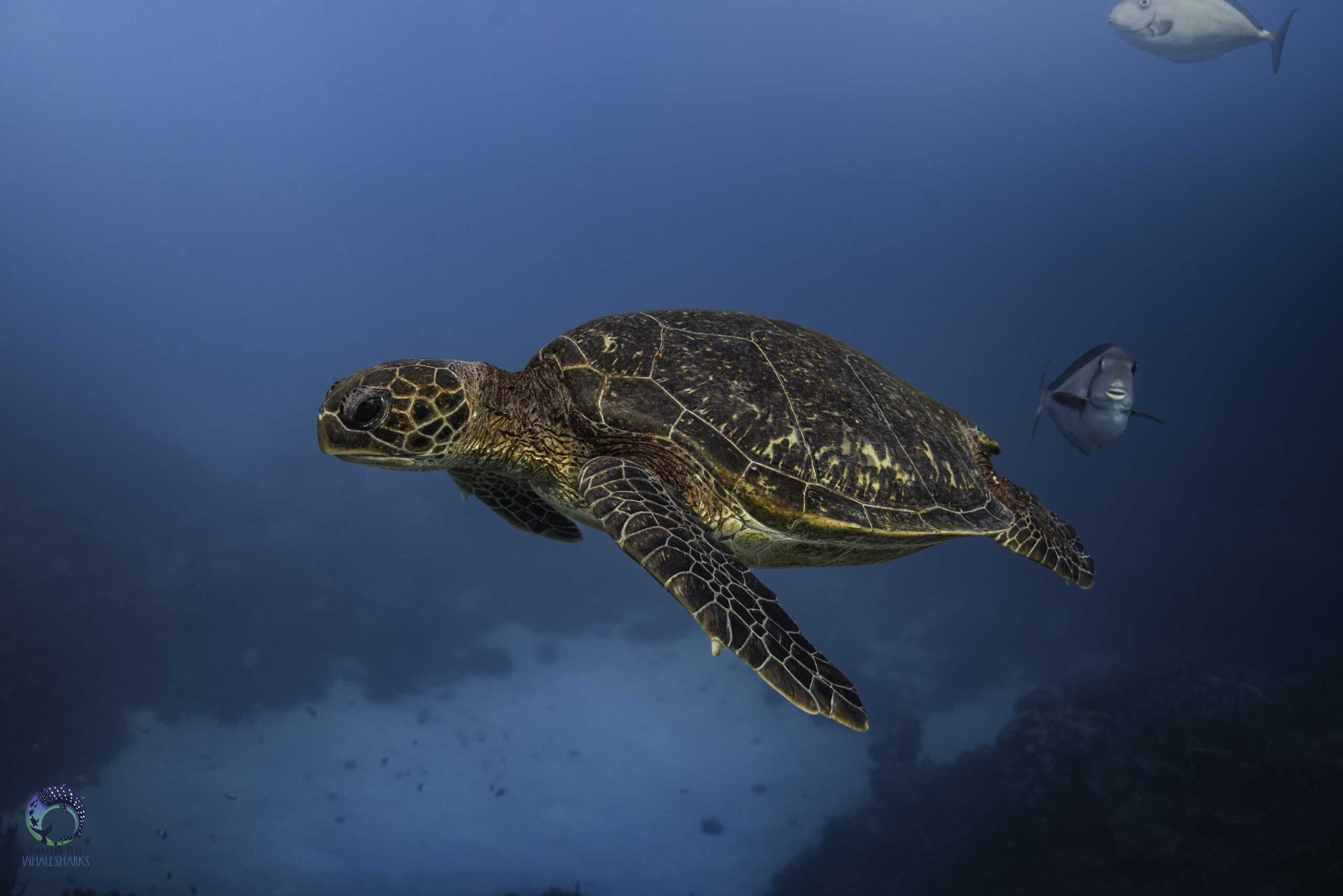
| Turtles (in water) | Year-round | ⭐⭐⭐⭐ | Very common snorkelling encounters |
| Turtle Nesting | November → March | ⭐⭐⭐⭐ | Loggerhead, green & hawksbill turtles nest on beaches |
| Turtle Hatchlings | January → April | ⭐⭐⭐⭐ | Magical but weather can be very hot |
| Reef Fish & Coral | Year-round | ⭐⭐⭐⭐⭐ | Always excellent |
Ocean Conditions by Season
| Period | Sea State | Visibility | Snorkelling Quality |
|---|---|---|---|
| Apr–Jun | Calm | 15–25 m | Outstanding |
| Jul–Sep | Very calm | 20–30 m | Best overall conditions |
| Oct | Slightly windier | 15–20 m | Still excellent |
| Nov–Mar | Variable, can be rough | 10–20 m | Good mornings, storms possible |
Comfort vs Wildlife Sweet Spots
Best Overall Experience → May to August
Why this is the classic window:
- Dry air (30–45% humidity)
- Warm but not hot days (~24–28 °C / 75–82 °F)
- Calm seas and top visibility
- Whale sharks (early) + humpbacks (later)
- Mantas, turtles, reef life always present
👉 If you can only go once, aim here.
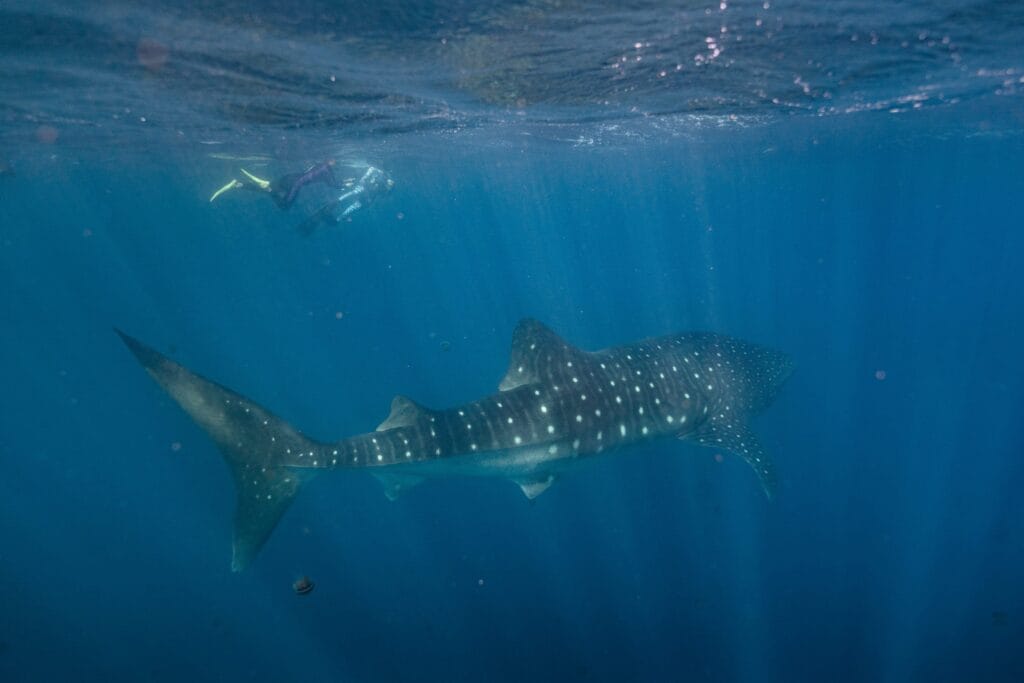
Best for Whale Sharks Specifically → Mid-April to Early June
- Highest encounter probability
- Still very comfortable weather
- Coral spawning drives feeding activity
Ningaloo hosts the world’s most reliable whale shark aggregations — learn more about these gentle giants from the Global Megafauna Foundation.
Best for Humpbacks + Snorkelling Conditions → August–September
- Driest air of the year
- Glassy water, excellent visibility
- Peak whale migration with mothers & calves
- Slightly fewer visitors than whale shark peak
I highly recommend Swimming with Humpback Whales.
Best for Turtle Nesting Experiences → December–February
Better suited to travellers comfortable with tropical heat
Loggerhead, green, and hawksbill turtles nest along Ningaloo beaches; the WWF Australia turtle guide explains how to watch responsibly.
When to Avoid (for most travellers)
January–February
- Extremely hot (often >40 °C / 104 °F inland)
- Cyclone risk
- Outdoor activities limited by heat
- Wildlife viewing less predictable (except turtles)
Note: Even a lot of the locals leave in February due to the oppressive weather.
⚠️ BOOKING ALERT: Ningaloo in July School Holidays
If you’re planning to visit during June–July (especially Australian school holidays),
you need to book FAR earlier than you expect.
- Accommodation in Exmouth and Coral Bay often books out 12–13 months in advance. There is NO free camping in Ningaloo.
- Cape Range National Park campsites can sell out within hours of release, (think Taylor Swift), so check the official Parks WA booking portal before you plan your trip.
- Tour availability (whale sharks / humpbacks) disappears quickly once beds are full
- Car hire is limited — there is no large fleet in this remote region
This is not a last-minute destination. Treat it like booking tickets to a major event.
✔ Set a calendar reminder to check booking release dates
✔ Be flexible with travel dates if possible
✔ Consider late June, late July, or September for similar conditions with less competition
✔ Check for cancellations 4–6 weeks before travel — they do happen
Ningaloo’s small scale is what makes it special — but it also means planning ahead is essential.
Practical Travel Insight
- Ningaloo sits far north — it behaves more like the tropics than Perth.
- The reef is shore-accessible, so calm weather matters more than boat schedules.
- The coral spawning (March/April full moons) triggers whale shark aggregation — one of the few predictable megafauna events globally.
✅ In short:
May–August is the sweet spot for combining comfortable climate, calm seas, and the greatest concentration of large marine life.
Roam Ningaloo. Leave No Regrets.
This is the trip you’ll remember for a lifetime — swimming with whale sharks, watching humpbacks breach against a blazing sunset, snorkelling crystal-clear waters, and discovering the desert where it meets the reef.
The reef doesn’t wait, and neither should you. Plan your adventure, secure your spot, and embrace every moment — because the best memories are made when you roam boldly, fully, and with no regrets.
Your Ningaloo adventure starts here.