Where to See Pelicans in the Wild in Australia
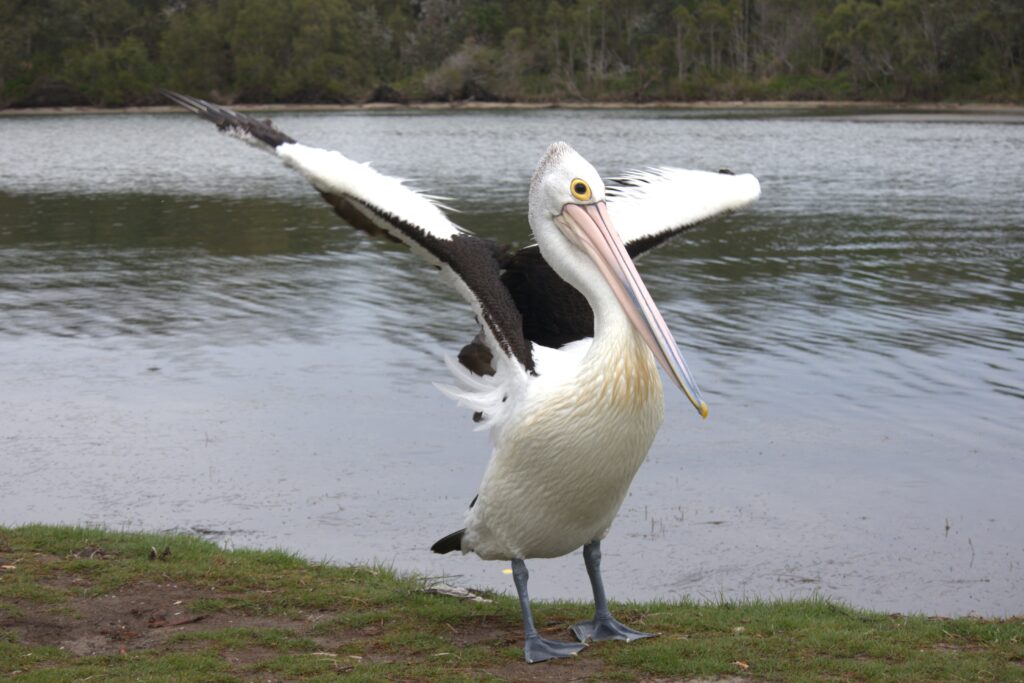
Pelicans look like someone designed a bird, got distracted, and forgot to edit.
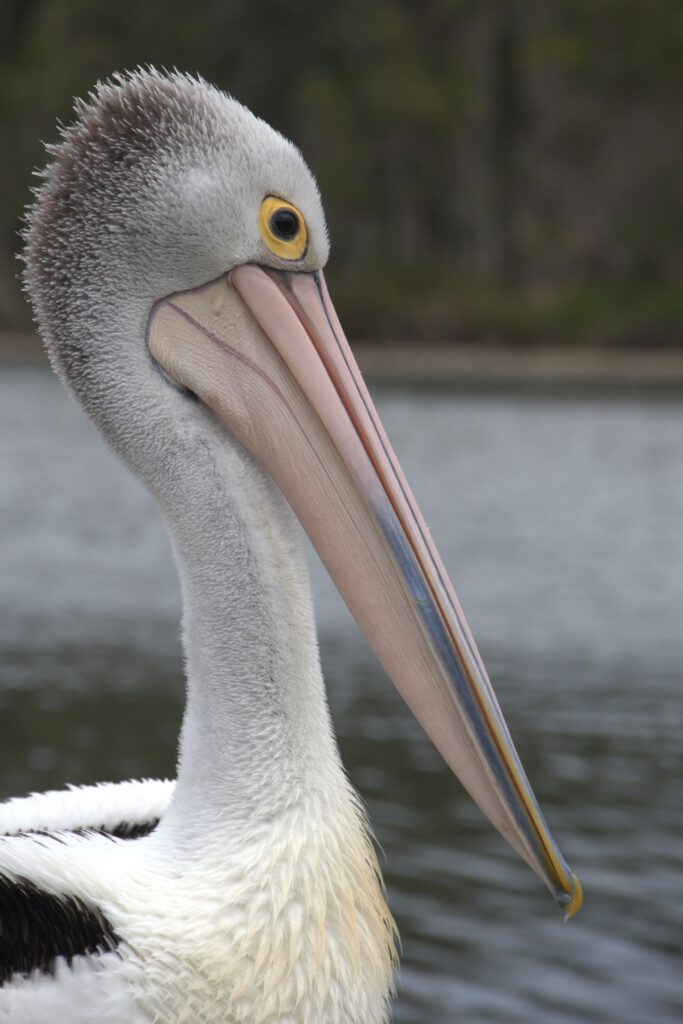
That beak.
That pouch.
That awkward stance.
That effortless glide.
They are ridiculous. They are regal. They are chaotic. And they are completely unforgettable.
When pelicans show up, everything gets better. Fishers laugh. Kids point. Cameras come out. And suddenly the moment feels lighter.
This guide will show you where, when, and how to see pelicans in the wild across Australia – ethically, responsibly, and with absolutely no regrets.
If you’re planning to see more of Australia’s incredible wildlife, this animal is just one of many worth adding to your itinerary. From marsupials and marine life to rare outback species, Australia is home to some of the most unique animals on Earth. For a broader guide to the country’s must-see wildlife — including where to spot them in the wild — explore our full list of the 20 Iconic Australian Animals and Where to See Them in the Wild.
Why Seeing Pelicans in the Wild Is So Special
Pelicans don’t just exist in a place – they own it.
Piers. Jetties. Harbours. Beaches. Boats. Picnic tables (if you’re not careful).
They are bold. They are curious. They are unashamedly opportunistic.
And watching them glide in for a landing, scoop fish with that absurd beak, or just stand there like a confused philosopher… never gets old.
They are the comedy relief of the Australian coast. And we love them for it.
Quick Pelican Facts
- Australia is home to the Australian Pelican – with a wingspan reaching 2.5m, it’s one of the largest and most beautiful pelicans in the world.
- Their beaks can be up to 50cm long
- Their throat pouch can hold over 10 litres of water
- They are excellent flyers and soar effortlessly
- They work together to herd fish
- They are found across the entire Australian coastline and inland waterways
Big bird. Big energy.
Best Places to See Pelicans in the Wild (By State)
New South Wales
The Entrance (Central Coast)
Iconic pelican spot. Famous daily pelican feeding at 3.30pm on the foreshore – rain, hail or shine, the pelicans don’t care (viewing only, regulated).
Port Stephens
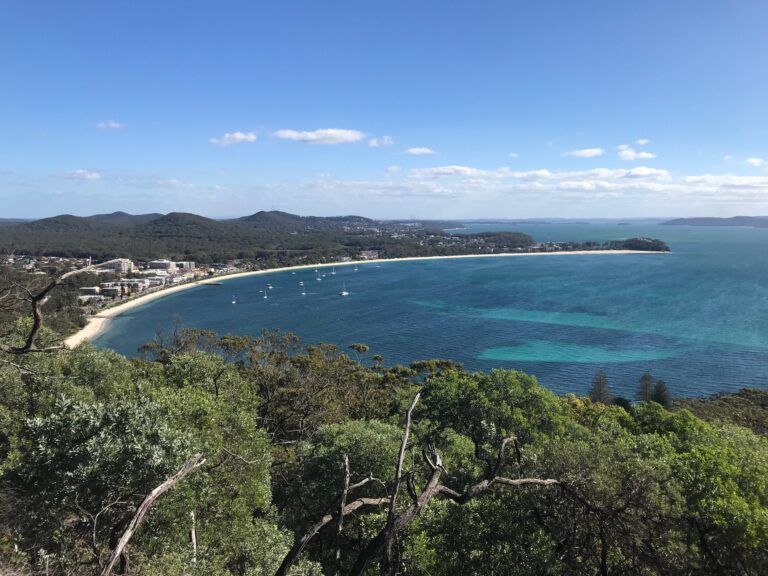
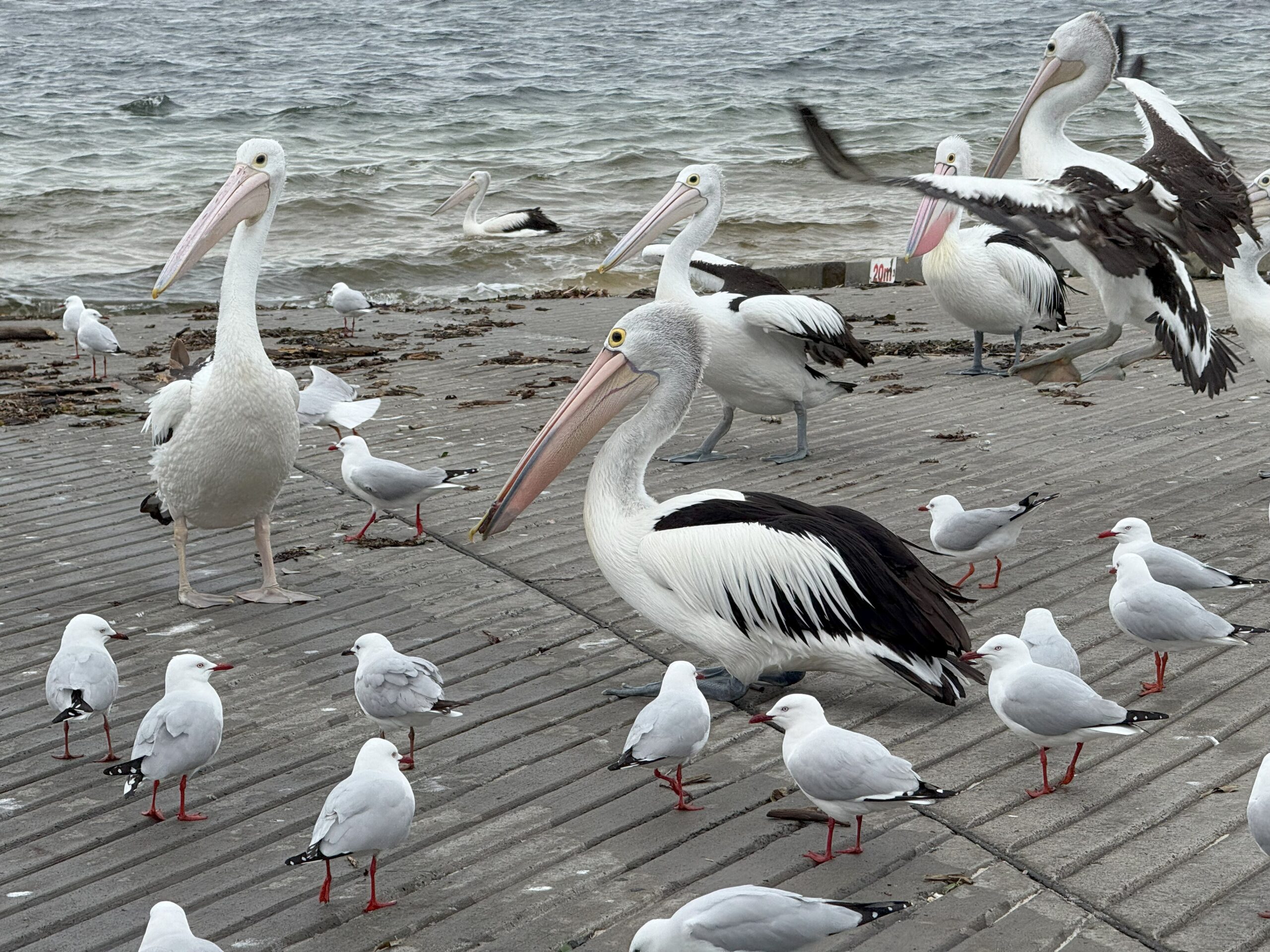
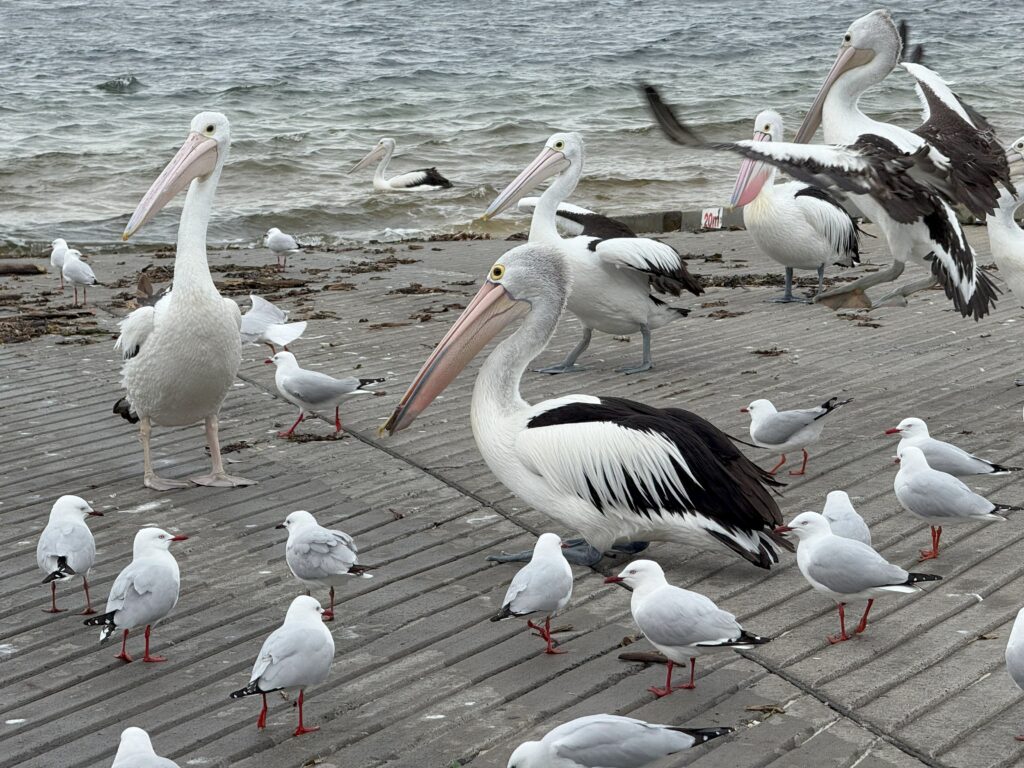
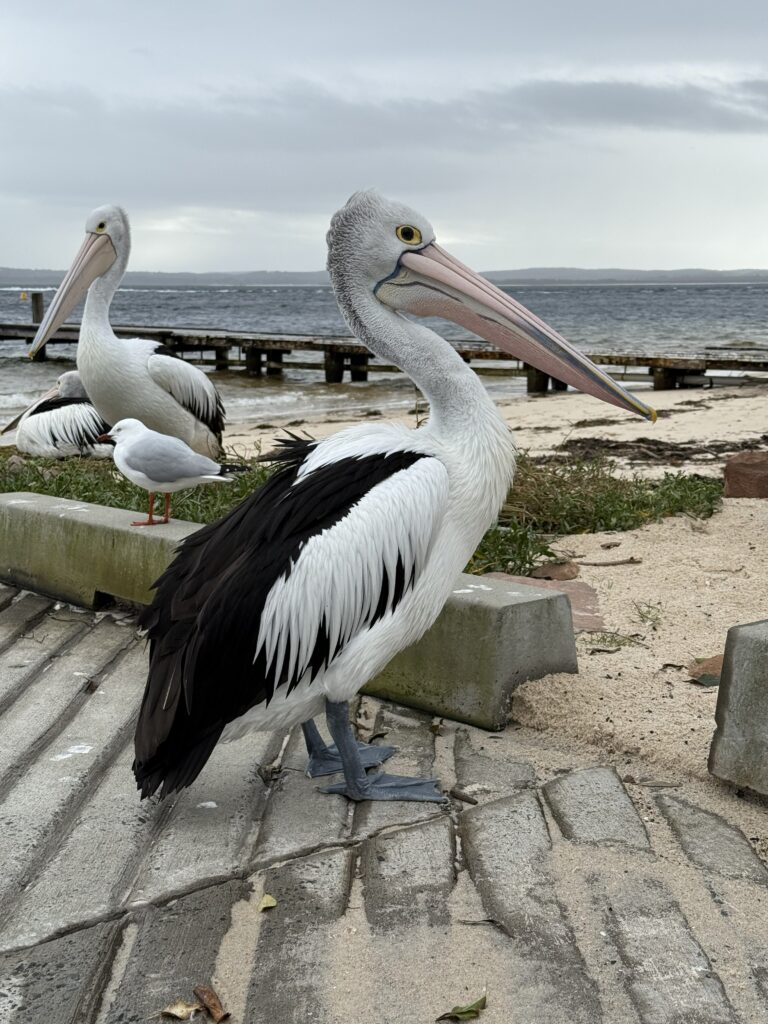
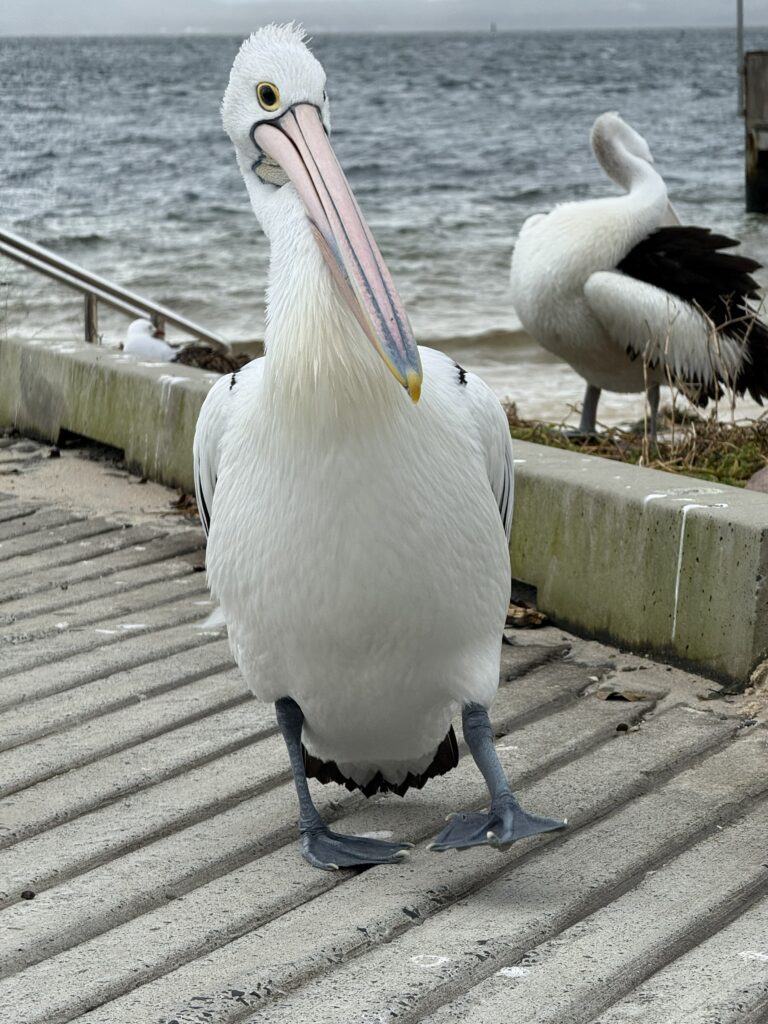
Pelicans everywhere – beaches, jetties, boats. They love boat ramps.

Jervis Bay
Regular sightings along the shore.
Lake Macquarie – the locals count how many pelicans are on the five islands bridge near Speers Point on their daily commute to Newcastle.
Queensland
Noosa River
Pelicans line the sandbanks.
Moreton Bay
Hervey Bay
Cairns Esplanade
Victoria
St Kilda Pier (Melbourne)
Pelicans + penguins = elite combo.
Gippsland Lakes
Phillip Island
South Australia
Coorong National Park
Massive birdlife, endless pelicans.
Port Lincoln
Fleurieu Peninsula
Western Australia
Kalbarri -Every morning at 8.45am, the pelicans wander up the foreshore in front of The Pelican Cafe for breakfast. The Pelican Feeding (located opposite The Pelican Café) is a volunteer run experience and a gold coin donation is appreciated to cover the costs of fish.
Shark Bay
Broome
Perth waterways

Tasmania
Bruny Island
Freycinet National Park
Hobart waterfront
Northern Territory
Darwin Harbour
Kakadu wetlands
Best Time of Day to See Pelicans
Pelicans are active:
- Morning (feeding time)
- Late afternoon (golden light + fishing)
But honestly? Pelicans do what pelicans want. Any time is possible.
Best Time of Year
Good news:
Pelicans are year-round.
Summer = more beach activity.
Winter = fewer people, same pelicans.
They’re loyal. They don’t migrate far. They stick around.
How to Spot Pelicans
Look for:
- Large white birds on jetties
- Groups floating like boats
- Huge silhouettes gliding overhead
- Birds lining up near fishing spots
- Sleeping on top of light poles near boat ramps or on bridges
- That unmistakable beak
If you hear wings flapping and feel a presence… it’s probably a pelican.
How to See Pelicans Responsibly
Pelicans are wild birds, not props.
Always:
- Do not feed pelicans (seriously – it harms them) but they will seal your fish off the fish cleaning table
- Do not approach or touch
- Do not tease with food
- Do not crowd nesting areas
- Give them space
Yes, they look chill. No, they are not tame.
Photography Tips
- Capture them landing – it’s chaotic and brilliant
- Shoot side profiles to show beak scale
- Early morning and sunset light = magic
- Get low for dramatic angles
- Be ready – pelicans move fast when food appears
They are incredibly photogenic… in their own ridiculous way.
Can You See Pelicans Without a Car?
Absolutely.
Great spots accessible by public transport:
- St Kilda Pier (VIC)
- The Entrance (NSW)
- Darwin waterfront (NT)
- Hobart docks (TAS)
- Cairns Esplanade (QLD)
Pelicans love people areas. You’ll find them.
Tours vs DIY – What’s Better?
Pelicans are perfect for DIY spotting.
No tours required.
No special gear.
No tracking.
Just:
- Walk along the water
- Sit near a jetty
- Watch the chaos unfold
They’ll come to you.
Where to Stay for Pelican Sightings
Great bases include:
- The Entrance accommodation (NSW) – pelican central
- Port Stephens stays – beaches + birds
- Noosa riverfront stays (QLD) – front-row seats
- St Kilda hotels (VIC) – pier access
- Freycinet lodges (TAS) – coastal beauty
- Kalbarri stays (WA) – river + ocean
Anywhere with water + fish = pelicans.
FAQs
Are pelicans dangerous?
No, but their beaks are powerful. Don’t mess with them.
Can pelicans bite?
They can, but only if provoked or fed by hand.
Why do pelicans hang around people?
Because people equal food. And pelicans are not subtle.
Do pelicans work together to fish?
Yes! They herd fish into shallow water as a group.
Final Thoughts
Pelicans are pure Australian character.
They are awkward.
They are bold.
They are unintentionally hilarious.
And they are strangely majestic.
They don’t try to be impressive.
They just are.
And when you watch one glide in, land like a broken umbrella, and then stand there looking proud of itself… you can’t help but smile.
They bring lightness to the wild.
They bring humour to the moment.
They bring personality to the coast.
And honestly?
Australia wouldn’t be the same without them.
Roam with no regrets. 🐦✨
Share This Guide
Know someone who loves coastal walks, birdlife, or the quirky side of Australia? Share this guide, save it for later, and start noticing the big white birds with even bigger personalities – because pelicans are the unsung legends of the shoreline.